Health Awareness

In this issue
-

s Sponsored
How the right catheter can make a difference
Sponsored by: Retired NHS nurse Alison Hodgson, 51, from the West Midlands has primary progressive multiple sclerosis. One of the symptoms is her bladder health, requiring the use of an intermittent catheter. What is your experience with catheters? I was shown how to use intermittent catheters to fully empty my bladder because if there is...
-

s Sponsored
London researchers developing novel drug to reduce bowel cancer development
A new drug to intervene before bowel cancer has chance to develop is showing promise to test in the clinic. Bowel cancer is the fourth leading cause of cancer-related deaths globally. Five-year survival rates are 60%, even after surgeries and current therapies. Despite a USD 12 billion worldwide market for treating bowel cancer, there remains no...
-

Don’t let urinary incontinence stop you doing what you want to do
Urinary incontinence does not need to be accepted as part of getting older, recognising the signs and symptoms is the first step to finding the right treatment. Urinary incontinence is the involuntary leaking of urine. It affects around 13% of women and 5% of men and becomes more common as people get older. Stress urinary...
-
s Sponsored
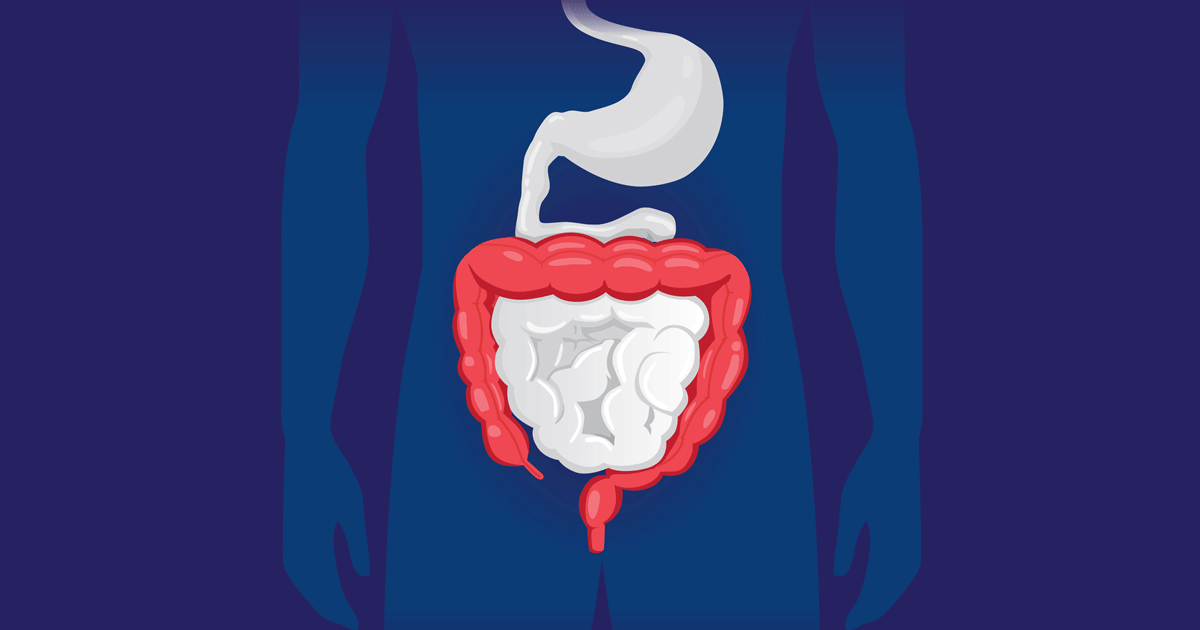
There are a range of treatment options for bowel conditions
Bowel dysfunction can have an emotional, social and physical impact on those who struggle to manage the debilitating symptoms. Constipation and faecal incontinence are symptoms of bowel dysfunction and cause distress, discomfort and anxiety, with many sufferers struggling alone and often too embarrassed to seek medical help. But experts emphasise the importance getting advice from...
-

s Sponsored
Ask your healthcare professional for support with bedwetting
Bedwetting is a common medical condition, affecting as many as one fifth of five year olds and one tenth of seven year olds. It can have a significant impact on those living with the condition. Numbers of people affected by bedwetting reduces with increasing years, but it persists in about 2% of teenagers and young...
-

Lifestyle changes can help manage chronic constipation
One in seven adults and one in three children in the UK have constipation at any one time. A condition that can be easily resolved in most, yet many people are needlessly suffering.1 Louise Hulme, aged 45, from Gravesend has suffered from chronic constipation since 2018, after a complication with ulcerative colitis (UC) caused her...
-

Knowing the symptoms of bowel cancer could save your life
Bowel cancer is the fourth most common cancer in the UK. Every 15 minutes someone is diagnosed with the disease, that is nearly 43,000 people every year. Bowel cancer is the UK’s second biggest cancer killer. As a charity we see firsthand the devastating impact that bowel cancer can have on people of all ages....
-

Are you aware of the signs and symptoms of UTIs?
For many a urinary tract infection (UTI) is a painful but short-lived complaint, but for others it can be an ongoing issue. For many people, as has now been acknowledged by the NHS via NHS Digital, a UTI can turn in to a recurring chronic problem that blights lives. These episodes can result in...
-

What you need to know about ISC
Dr Angie Rantell, Lead Nurse, Urogynaecology King’s College Hospital demystifies intermittent self-catheterisation, a useful solution to support people who may need assistance to empty their bladder. What is intermittent self-catheterisation (ISC)? ISC involves using a catheter (a thin hollow tube) to drain the bladder, after which the catheter is removed. It is performed by a...
-
Finding new methods for bowel cancer screening
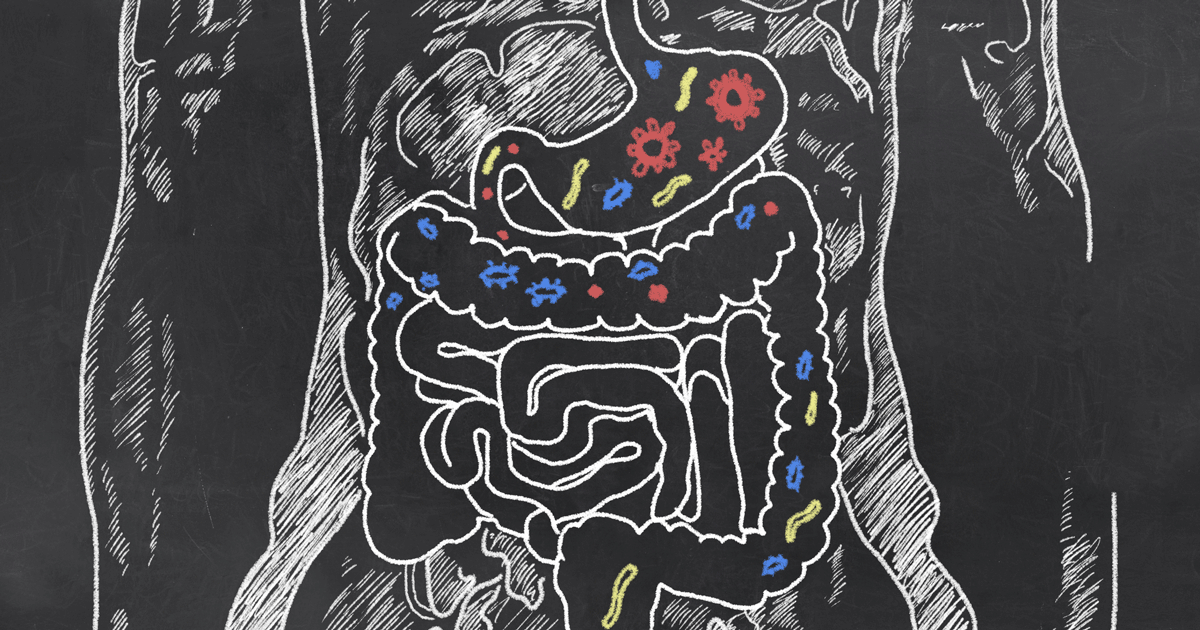
Faecal immunochemical testing (FIT) for bowel symptoms reduces need for colonoscopy. Incidence of bowel cancer in Europe is estimated to be increasing by about 4% every decade, largely due to a growing and aging population. Early diagnosis is key to cancer cure. Despite advances in improved diagnostic imaging, colonoscopy remains gold-standard (very specific in excluding bowel cancer and allows tissue sampling and removal of polyps). However, colonoscopy requires...
-

Improving bladder cancer patient wellbeing
We are calling for the bladder cancer workforce to receive the necessary investment and support to provide the care that bladder cancer patients need and deserve. The options for bladder cancer treatment can involve some difficult decisions. Treatment options, such as bladder removal (radical cystectomy), have life-changing implications on lifestyle, sexual life, body image, mental health and...
-

UTIs affect a large percentage of the population
Urinary tract infections (commonly referred to as UTIs) are the second most common kind of infection after chest infections, but what is a UTI exactly? The urinary tract system consists of the bladder, urethra (the tube which carries urine out of the body from the bladder), kidneys and ureters (tubes which carry urine from the kidneys to the bladder). A UTI usually occurs...
-

The importance of good bowel health and the cost of constipation
A new report uncovers the significant cost of constipation and offers guidance on good bowel health. Constipation isn’t talked about much, but it needs to be. Up to one in seven adults and one in three children in the UK is affected by the condition, which is not only affecting lives, but also puts a financial strain on the NHS. The true cost of constipation In its Cost of Constipation report, The Bowel...
-

Bowel incontinence doesn’t rule my life anymore
There are 6.5 million adults in the UK who suffer from some sort of bowel problem₁, with over half a million experiencing faecal incontinence that has a negative impact on their life. Having ‘tummy troubles’ can have a huge psychological impact on a person’s life as well as the obvious physiological symptoms and is a problem that we...
-
Why patients must speak up about incontinence
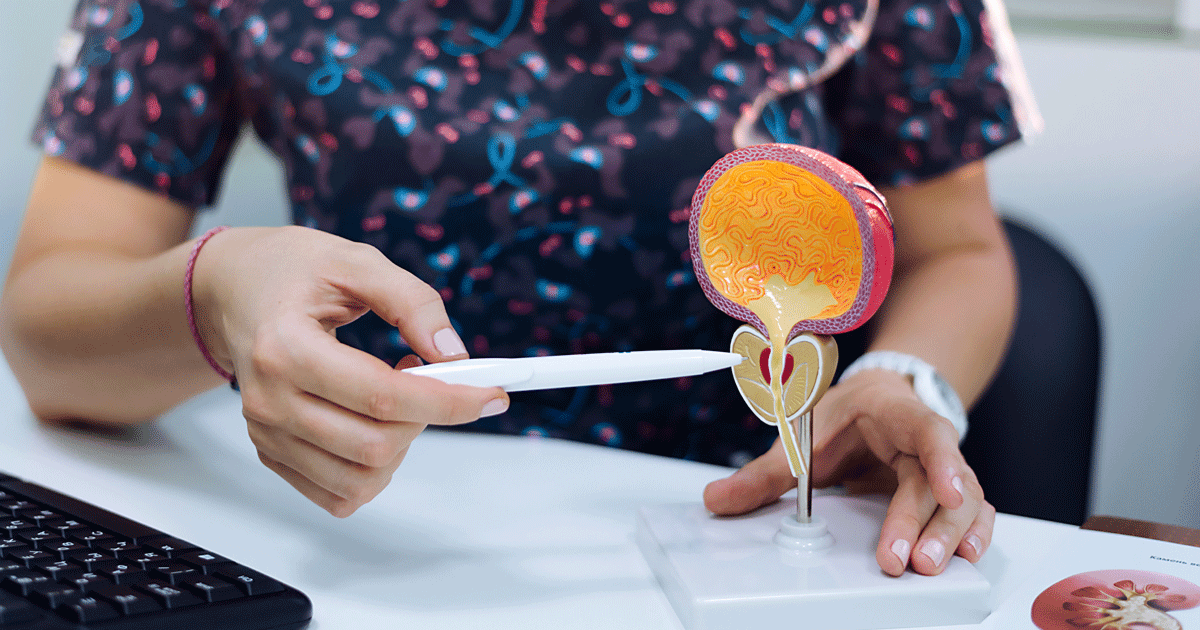
Incontinence is one of the last health taboos in modern society. Embarrassment stops many people from accessing the NHS services that can help them. Incontinence is surprisingly common. It’s estimated that one in four of us will have a problem with bladder control at some time and one in 10 will have problems with bowel...
-

s Sponsored
Intermittent self-catheterisation takes anxiety out of toilet visits
A discreet catheter device has helped a young woman find a new lease of life after she awoke with mystery condition which has left her in a wheelchair. Almost seven years ago, Tabitha Fung awoke one morning unable to feel anything below her waist. While doctors are still not sure of the cause, Tabitha found...
-

s Sponsored
How a new therapy can help you restore your pelvic floor
Despite adverts telling us bladder leaks are normal – just a fact of life you can manage with pads – scientifically leaks can be fixed and not necessarily by having drastic surgery either. Urinary incontinence is a condition that affects millions of people across the globe, it can have a significant and detrimental impact on...
-

s Sponsored
Getting lives back on track by tackling the taboo of poo
Bowel health, in particular constipation and incontinence, represent taboo subjects in the UK, with many people failing to access NHS treatments that could transform their quality of life. At St Thomas’ Hospital, London, continence nurse practitioner Carlene Igbedioh regularly sees patients who have waited five to 10 years before seeking medical help. “Once they’ve experienced...
-

s Sponsored
The ultimate taboo? Why we need to talk about incontinence
Incontinence is as widespread as it is misunderstood. Embarrassment makes it difficult for people to talk about, but the right advice and support can make a big difference. With incontinence affecting as many people in the UK as hay fever, you would expect to hear more about it. Although most people will share their experiences...