Health Awareness





In this issue
-

s Sponsored
Understanding hysteroscopy’s role in improved fertility outcomes
Women experiencing fertility issues or gynaecological symptoms may be given a medical procedure called a hysteroscopy, which examines the inside of the womb. In the UK, around one in seven couples are affected by infertility.1 “The medical definition of infertility isn’t being able to achieve pregnancy after 12 months or more of regular unprotected sex,”...
-

What endometriosis means for your fertility
After an endometriosis diagnosis, one of the questions I hear most often is: what does this mean for my chances of having children? While endometriosis can affect fertility, a diagnosis is not a prediction of infertility. Many women with the condition conceive naturally. For others, becoming pregnant may take longer or require fertility treatment. These...
-
Spot the pattern of PMDD
Severe symptoms before a period should not be dismissed. Tracking when they happen can help people recognise premenstrual dysphoric disorder (PMDD) and seek professional support. Premenstrual dysphoric disorder, or PMDD, is more than ‘bad PMS.’ It is a serious, cyclical condition that can disrupt work, relationships and daily life. Recognising and demonstrating the pattern is...
-

Not everyone who wants children gets the chance to have them
Roughly 2.1 children per woman is what’s plainly called the ‘replacement rate’ at which we shouldproduce children for the UK population to hold steady from births and deaths alone.1 In 1900, the UK replacement rate was 3.4. In 1964, at the peak of the baby boom in 1964, it was 2.95. In 2025, England and...
-
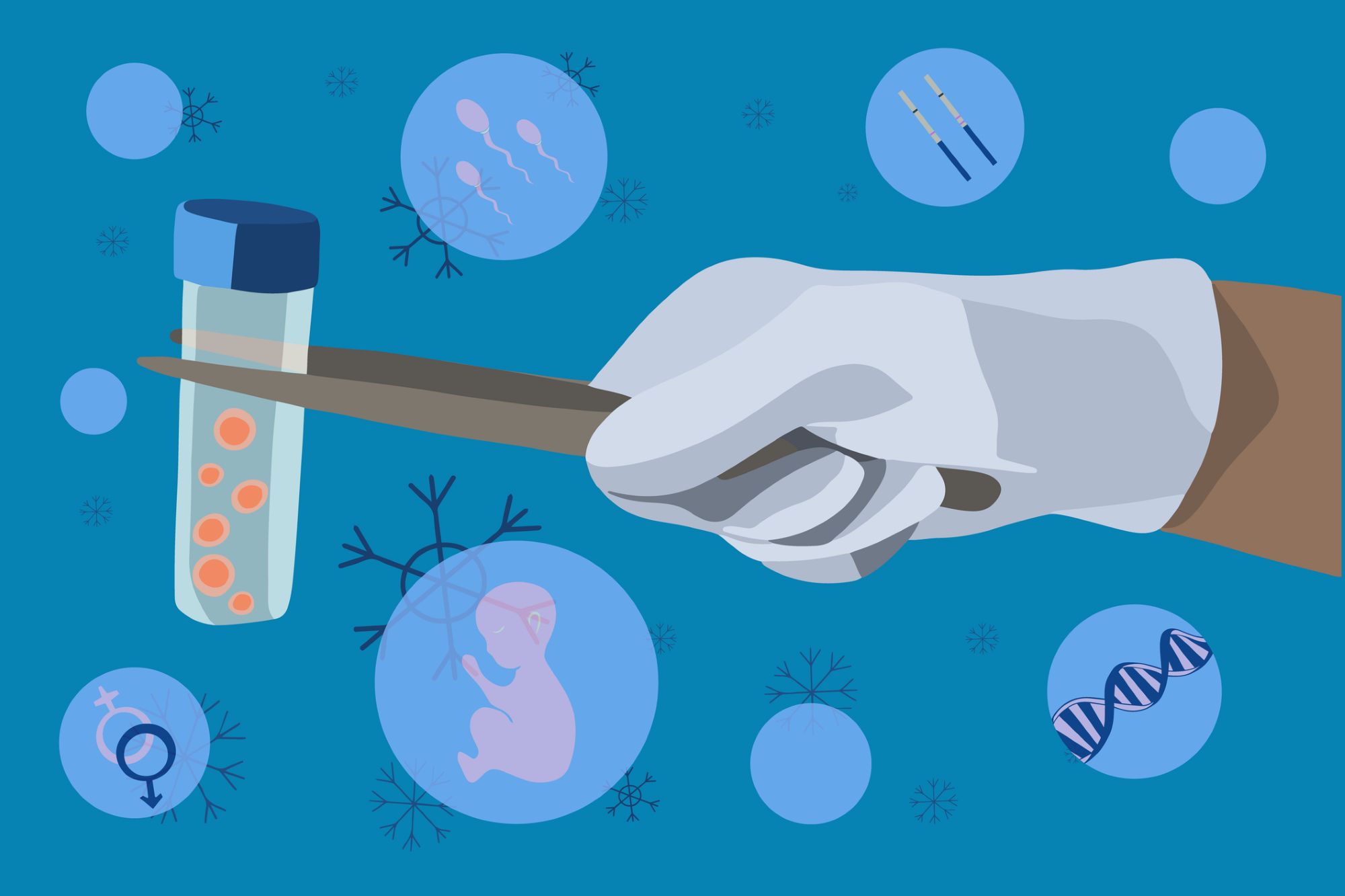
Planning ahead: preserving your fertility in the UK
If you want to preserve your fertility, whether before medical treatment that can affect your fertility or if you’re not yet ready for a family, you might want to consider freezing your eggs or embryos. Before having fertility treatment, you’ll need to give written consent to ensure your eggs and/or embryos are used and stored...