Health Awareness





In this issue
-
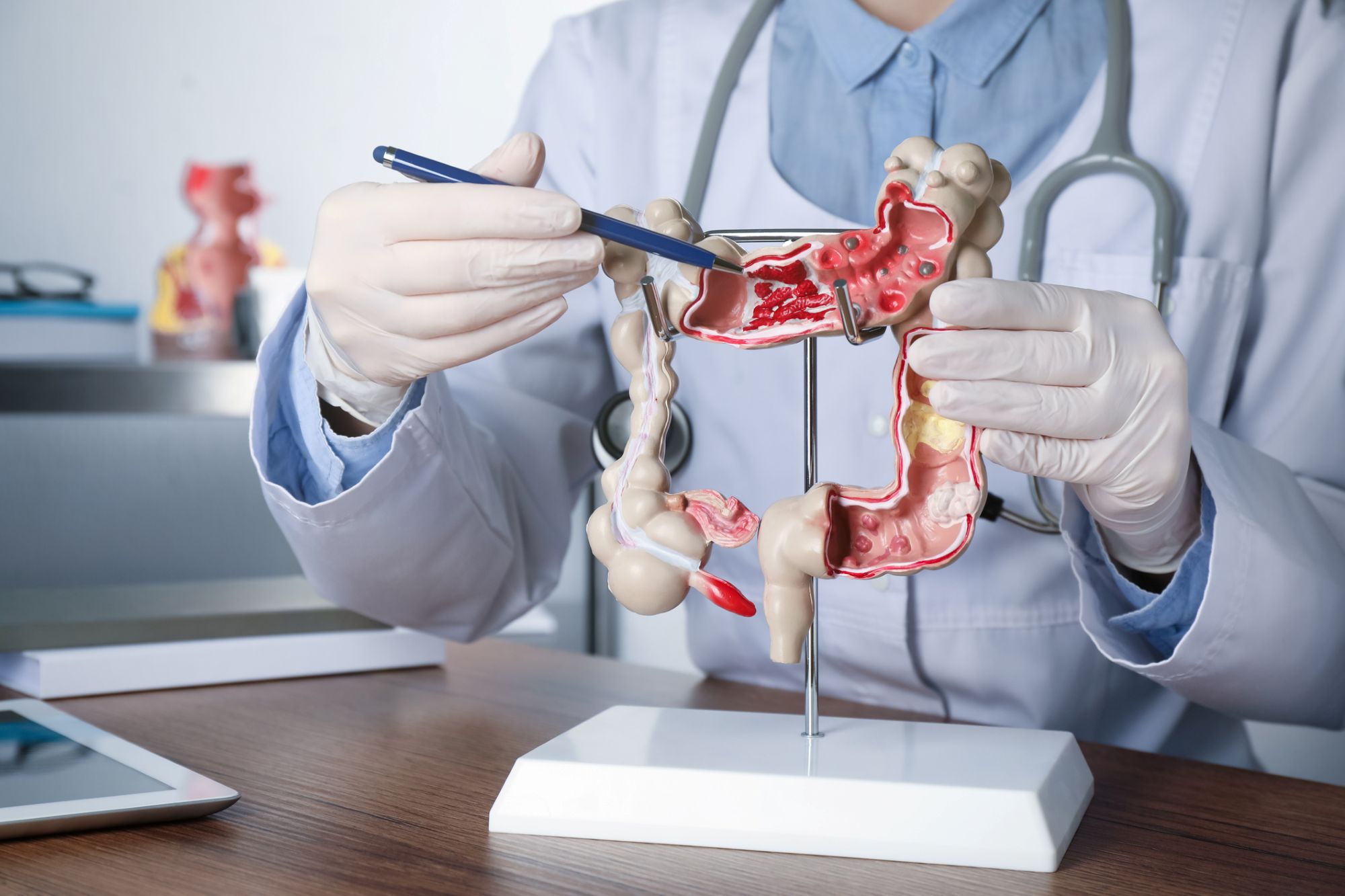
Early diagnosis means local action
Early diagnosis of bowel cancer saves lives. Our Early Diagnosis Programme aims to raise awareness of symptoms and improve screening uptake. Bowel cancer is the UK’s fourth most common cancer. It’s also the country’s second biggest cancer killer.1 However, it doesn’t have to be that way, as bowel cancer is treatable and curable if it...
-

Early Type 1 diabetes detection changes everything
Every week, across the UK, children are admitted to hospital with diabetic ketoacidosis (DKA), a life-threatening Type 1 diabetes complication that’s often the first sign they have the condition. A child might seem more tired than usual, ask for more drinks, go to the toilet more and look a little thinner. It’s easy to miss,...
-

New language guidance tool to tackle stigma in diabetes care
More than 12 million people in the UK are currently living with diabetes or prediabetes.1 It is a serious and complex condition, but for many people, managing their physical health is only part of the challenge. More than 12 million people in the UK are currently living with diabetes or prediabetes.1 It is a serious...
-
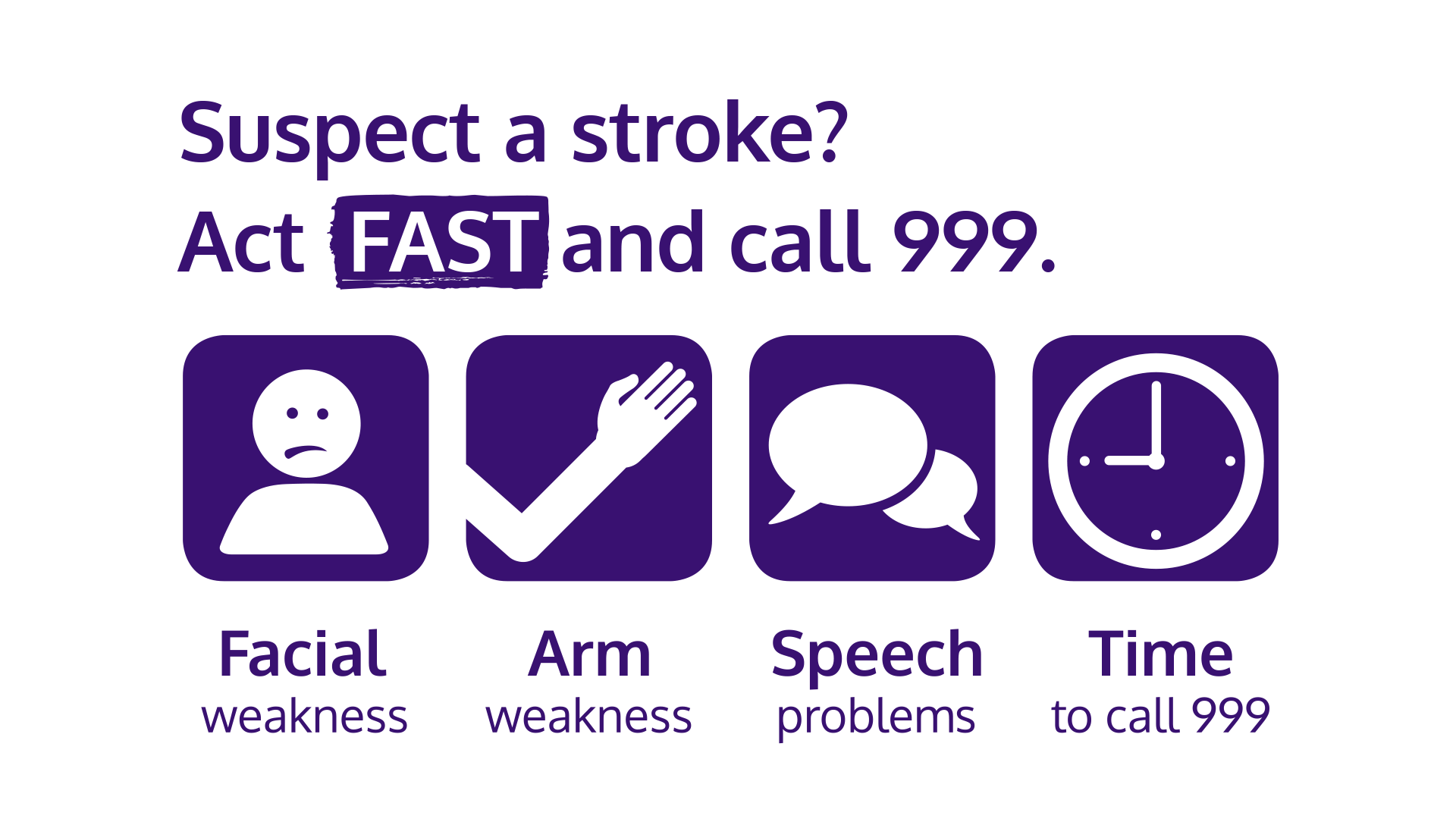
FAST symptoms: Spotting the signs of a stroke
Every day in the UK, around 240 people have a stroke.1 It’s the country’s fourth biggest killer, and a leading cause of adult disability.2 Brain damage, caused by a stroke, can fundamentally change how the body works as well as how a person thinks and feels. The impact a stroke has depends on where it...
-

s Sponsored
Why you should never ignore bleeding gums when you brush, floss or eat
Bleeding gums can be a sign of gingivitis, which, left untreated, can worsen and lead to tooth loss. At an early stage, it’s reversible — if you take steps to improve oral care. We’re probably familiar with the need to brush twice a day and go for regular dental check-ups to keep our teeth healthy....
-

s Sponsored
How to reduce the daily pain of osteoarthritis and stay active
Osteoarthritis causes severe joint pain and restricts movement, but certain treatments and lifestyle changes can target the underlying causes and get you moving again. Biresh Roy, CEO at AH Consumer Healthcare, which markets FlexiSEQ gel, outlines the causes of joint pain and osteoarthritis – and how sufferers can find both pain relief and improved joint...
-
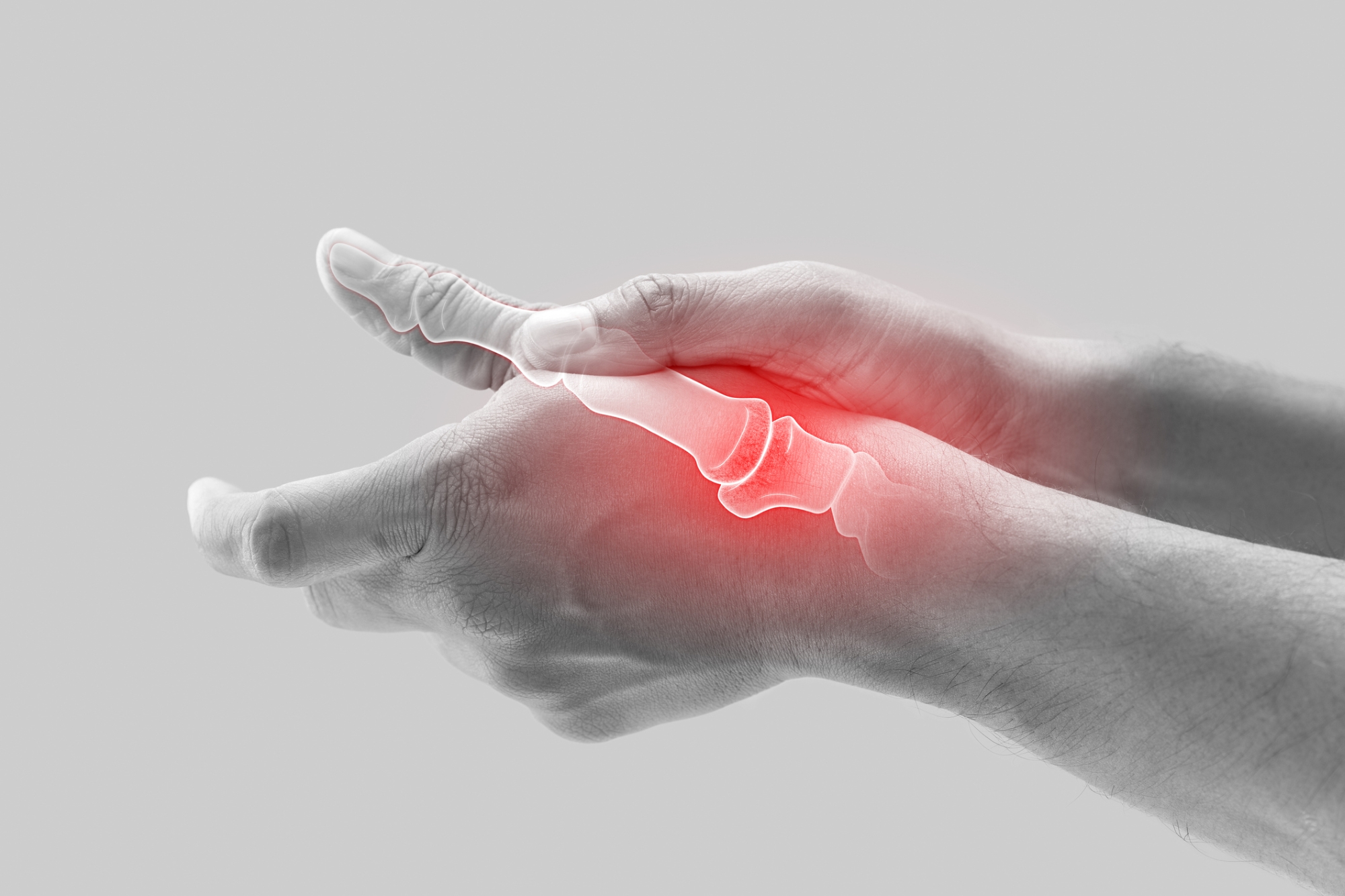
Osteoarthritis: More than wear and tear
Once seen as an unavoidable part of ageing, osteoarthritis is now becoming more prevalent in younger age groups and a wider societal issue,1 with its impact felt across individuals, work and NHS services. More than 200,000 hip and knee replacements are performed in the UK every year, with numbers rising due to obesity and an...
-

Diabetes and high blood pressure are leading causes of kidney disease
There are over seven million people with chronic kidney disease (CKD) in the UK, and the number is growing. Diabetes and high blood pressure are the leading causes, yet 4 in 10 people with type 1 diabetes and 3 in 10 with type 2 diabetes don’t have the National Institute for Health and Care Excellence...
-

s Sponsored
Do you know the difference between Type 1 and Type 2 diabetes?
Type 1 diabetes differs from Type 2. It’s a progressive autoimmune disease with symptoms that include the 4T’s. These articles were organised, funded and reviewed by Sanofi UK “Type 1 diabetes (T1D) begins its silent attack months to years before symptoms appear, yet many remain unaware of the early warning signs,” explains Jonathan Starck, General...
-

s Sponsored
How Henry Slade tackles diabetes, pro rugby — and a busy family life
England rugby star Henry Slade has lived with type 1 diabetes for 15 years. He and his wife, Megan, talk about how he manages the disease — and the benefits of prompt diagnosis and early detection. These articles were organised, funded and reviewed by Sanofi UK Tackle Diabetes is a campaign led by Henry Slade,...
-

How a plant-forward diet and lifestyle changes can help improve bowel wellness
Rhiannon Lambert is a leading UK nutritionist, bestselling author and founder of the Rhitrition Clinic. Her latest book, The Fibre Formula, explores how optimising gut health and fibre intake can alleviate common health conditions. Could you introduce your work at Rhitrition? I’m a Registered Nutritionist, founder of Rhitrition and Rhitrition+ and a three-time Sunday Times...
-

The dietitian’s clinic and how to deal with bowel symptoms
Sophie Medlin is a Consultant Colorectal Dietitian with nearly 20 years of experience working with people with bowel problems. As a dietitian specialising in bowel problems, I’ve seen and heard it all when it comes to gut health. I work with people who have had major bowel surgery due to conditions like Crohn’s Disease and...
-

Recent innovations improving lived experiences of patients and working realities of nurses
Medical technology continues to transform clinical practice, with some of the most meaningful progress emerging in female continence and incontinence care. App-based bladder diaries, like NHS-endorsed Squeezy, allow women to track symptoms, pelvic floor exercises and triggers more accurately than traditional paper methods. Digital tools for early assessment and ongoing management These digital diaries integrate...
-

Millions live with urinary incontinence in silence — why isn’t it a public health priority?
For millions of people across Europe, urinary incontinence (UI) shapes daily life in ways that often remain invisible. While its personal impact is widely felt, the broader health, economic and social consequences have long been underestimated. A socio‑economic report1 commissioned by the European Association of Urology (EAU) in 2023 and published in 2025 was the...
-

s Sponsored
How weight loss and dedicated support helped stabilise one woman’s diabetes
Claire Baines, who was living with Type 2 diabetes, transformed her life and body through a structured weight-management programme. After years of living with chronic migraines, weight gain, and exhaustion, Claire Baines finally hit her breaking point when she was diagnosed with Type 2 diabetes, at a weight of 20st 8lbs. “When they told me...
-

Get to grips with bothersome bowels
Did you know diarrhoea, constipation or a mix of both are the most common symptoms of IBS? We’re lifting the (toilet) lid on knowing when troublesome bowels might need more attention. Irritable bowel syndrome (IBS) is the most common digestive condition in the UK, affecting an estimated 5–10% of the population. 1 Despite its prevalence, awareness remains surprisingly low. Many people are unclear about what...
-

Setting the standard for Crohn’s and Colitis Care
Crohn’s and Colitis are lifelong, incurable conditions affecting around one in 120 people in the UK.1 For many, early symptoms are misunderstood or dismissed, delaying diagnosis and leaving people struggling without answers. Unfortunately, increasing pressure on NHS resources means far too many are stuck on waiting lists, dealing with debilitating symptoms that have a profound...
-
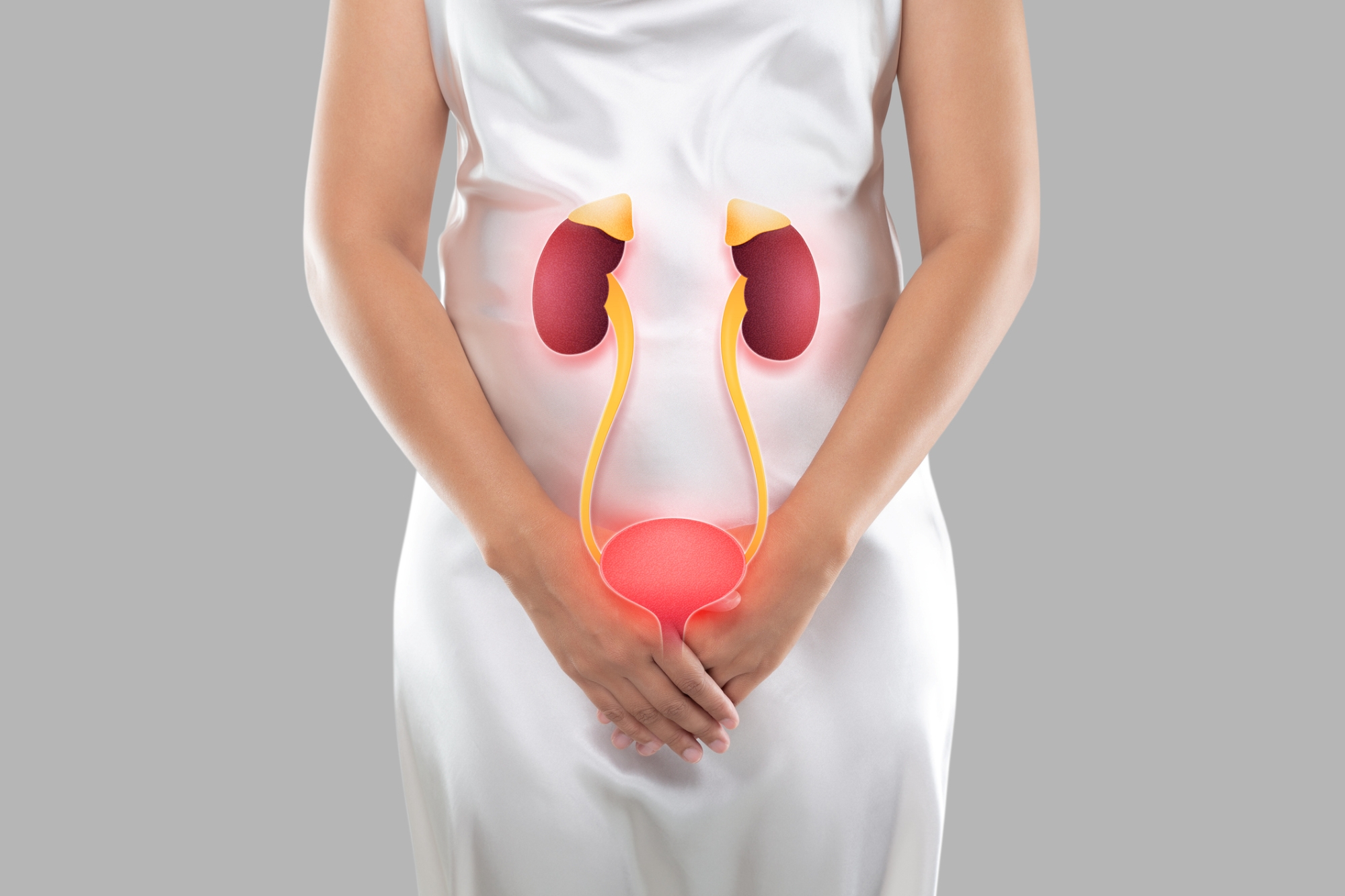
Urinary tract infections: Common, costly and too often overlooked
Urinary tract infections are among the most common bacterial infections, affecting millions each year. For many, a UTI is dismissed as a short-lived inconvenience causing burning, frequency, lower abdominal discomfort or cloudy urine. For some, UTIs become recurrent, distressing and potentially serious. Around 50% of women experience at least one UTI, and about 25% develop...
-

Mollie and Sid: How living with a stoma never stopped her from living a life she loves
For many, the idea of living with a stoma can feel overwhelming. There are often misconceptions about what life will look like, and much of the conversation is around fear or embarrassment. My experience has been very different. I have lived with a stoma since I was 18 due to ulcerative colitis, and my stoma,...