Health Awareness




In this issue
-
A better future for rare diseases
The Rare 2030 Foresight Study has set the direction for a future based on needs-led innovation and collective responsibility. I write as one of many, but in society I am one of few. I am rare. I live with Osteogenesis Imperfecta, a rare disease that means my collagen has the wrong recipe. This makes my...
-
s Sponsored
Protected: Innovation is thriving, but we must do more to support carers
There is no excerpt because this is a protected post.
-

s Sponsored
Addressing uncertainty in rare disease therapies
Seeking to approve rare disease treatments as quickly as possible means making decisions based on limited data, with innovative methods used to reduce uncertainty. There are ~7,000 rare diseases but fewer than 5% have an effective treatment.1,2 This means the vast majority of patients and families find themselves without a treatment option. Therefore, when potential...
-

The importance of telehealth for rare diseases
Healthcare must realise all of the opportunities of telehealth – especially for rare diseases, where it can help patients and the barriers they often face. Before the pandemic changed life as we know it, telehealth made up a miniscule portion of total healthcare visits across the U.S. (less than 0.01%). By mid-April of 2020, that...
-
Fixing the arduous path to approval for rare disease medicines
There are many new treatments for rare diseases in the pipeline, which could transform people’s lives and potentially provide cures. Now health systems across the UK need to get better (and quicker) at making these available to patients. In January, the four UK Governments published the Rare Disease Framework with four important priorities: help patients get...
-

The future of rare diseases starts today
New policy recommendations from the rare disease community aim to improve the future of those living with a rare disease in Europe. The health and future of 30 million people living with a rare disease in Europe should not be left to luck or chance. Today, 20 years after the first European rare disease legislation,...
-
Rare disease patient groups provide hope to isolated communities
Rare disease patient groups act as a focal point for a rare condition. They create a community through shared experience to break the isolation of rarity. After 2020, we all understand how isolation takes a huge toll on your mental health. The isolation a rare diagnosis imposes comes from the sense that nobody shares your...
-

Making rare diseases a human rights priority
The global rare disease community urges UN Member States for a UN Resolution to recognise rare diseases as an international policy priority and promote measures to protect the human rights of all people, including those of PLWRD. Over 300 million people worldwide live with one of the 6,000-8,000 identified rare diseases. Rare diseases are often chronic,...
-
s Sponsored
The GP that diagnosed her own rare tumour against the odds
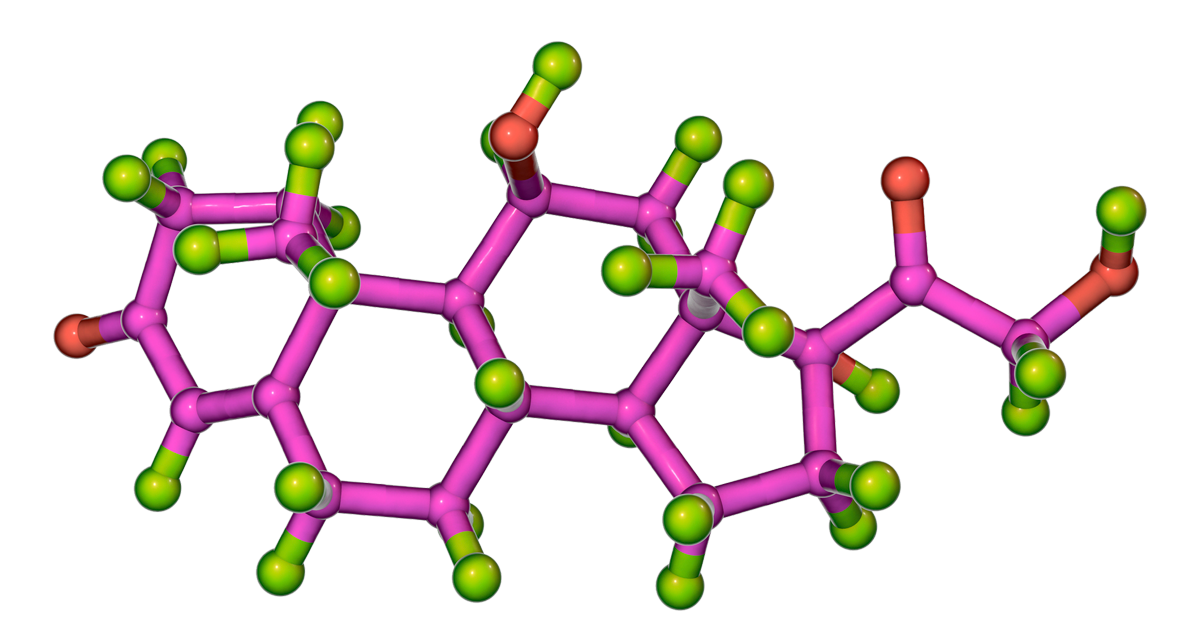
Cushing’s disease is caused by a tumour that grows on the pituitary gland and leads to the production of excess cortisol, the stress hormone. As a GP, Dr Kate Scoffings remembers being taught the signs of Cushing’s in medical school, a rare disease that she might see only once or twice in her career. But...
-
s Sponsored
The gene therapy journey for rare diseases
Rare diseases (RD) impact an estimated 300 million people worldwide with 30 million of those in Europe.1New advances in gene therapy offer us a chance to treat rare diseases in a different way. There are approximately 7,000 different rare diseases of which 4,100 are monogenic diseases.2 Monogenic diseases arise from a single gene mutation. Historically,...
-

s Sponsored
Why we must improve rare disease patient care
People with a rare disease often go on a diagnostic odyssey – a long and challenging journey involving repeated referrals alongside multiple unnecessary tests and misdiagnoses. A new survey highlights key areas that need to be improved for patients. Rare diseases collectively affect around 3.5 million people in the UK and the impact they have...
-
s Sponsored
Collaboration: the key to finding rare disease treatments
True medical breakthroughs happen when researchers see challenges through the eyes of those living with a particular condition and when industry, patient groups and academic institutions work hand-in-hand. In drug discovery, novel technologies such as artificial intelligence (AI) and machine learning (ML) offer new and exciting ways to dramatically speed up the process, but collaboration...
-

Equal access to care and life chances are not a ‘nice to have’
The idea of equity has many dimensions for people living with rare conditions. We have long recognised the challenges facing ethnic minorities to access an equal to NHS care. A 2013 study saw that members of minority ethnic groups were less likely to access cancer genetic services for a wide range of potential reasons. Reasons...
-
Collaboration is crucial now and after COVID-19
During the pandemic, people affected by genetic, rare and undiagnosed conditions have been living under immense pressure. Across Europe, specialist care has been disrupted for nine out of 10 rare disease patients. Barriers to critical services such as health and social care, home care, education and respite have had profoundly negative impacts. Shielding and self-isolation...
-
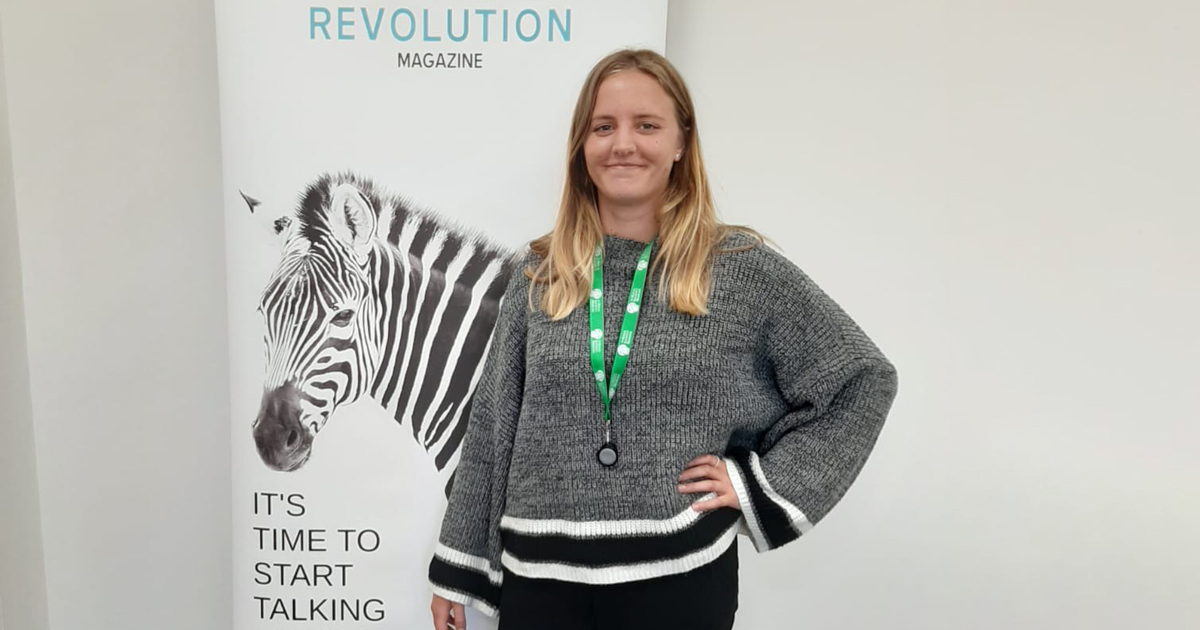
Dawn of the RARE Youth Revolution!
Filtered perception Growing up in today’s world can be challenging. The pressure from today’s society to be cool and successful is huge; and the added strain of the obligation to showcase our every success on social media can sometimes feel like there is no room for error or imperfection. Since when did anyone share a...
-

High-quality information you can trust to help doctors dealing with rare diseases
Improved access to information can lead to earlier referrals for rare disease patients, thus shortening the diagnosis odyssey. Those affected by a rare disease know how common it is to travel a long road to diagnosis. High-quality information, that is easily accessible from a single entry point, is key to facilitating earlier referrals and improving...
-
s Sponsored
Every Day Builds a Better Tomorrow
Alexion is a global biopharmaceutical company focused on transforming the lives of people affected by rare diseases and devastating conditions through the development and delivery of innovative medicines. We believe it is our responsibility to listen to, understand and help people living with rare disease and those who work tirelessly to offer care and support....
-

s Sponsored
Supporting the development of rare disease R&D in Europe
Support for European legislation on orphan medicines, coupled with better collaboration among stakeholders, will improve access to treatment for patients with rare diseases. In normal times, rare diseases don’t always receive a high level of attention from the medical community. But, during the COVID-19 pandemic, it can seem that rare disease is even further down...
-
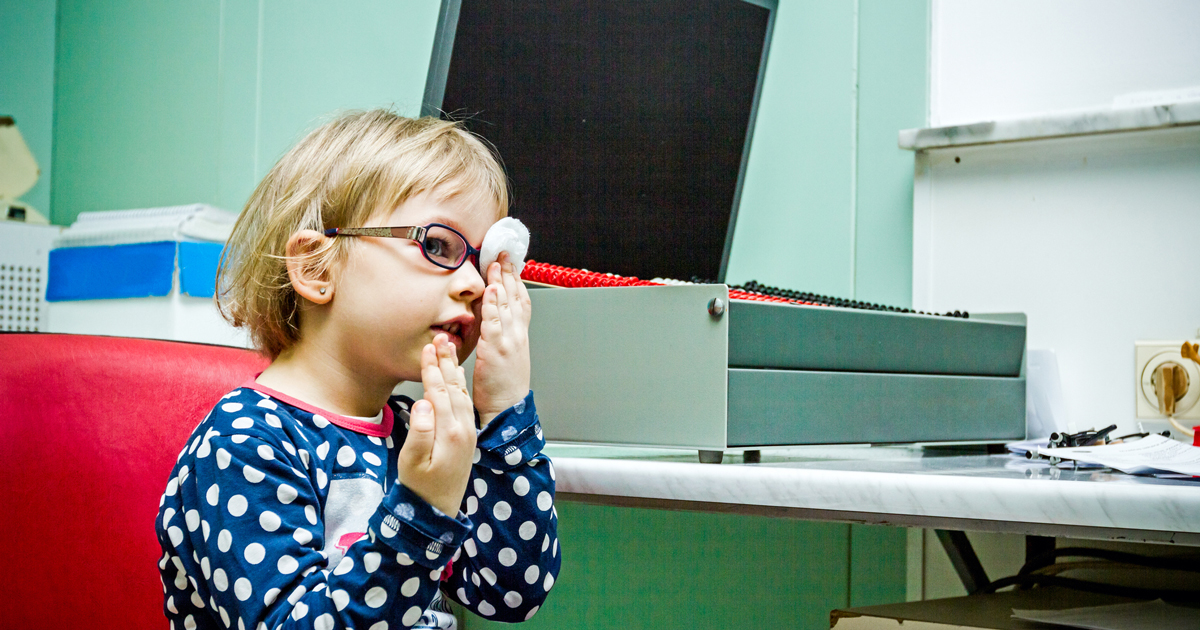
No treatment for rare genetic diseases? Nonsense!
Exciting new treatment options are emerging for “nonsense-mediated” rare diseases: genetic conditions in which a small mutation in the genetic code prevents the production of normally functioning proteins. Although individual diseases and conditions can be exceedingly rare, rare diseases as a whole constitute a significant burden of morbidity in the general population. For example, childhood...