Health Awareness





In this issue
-
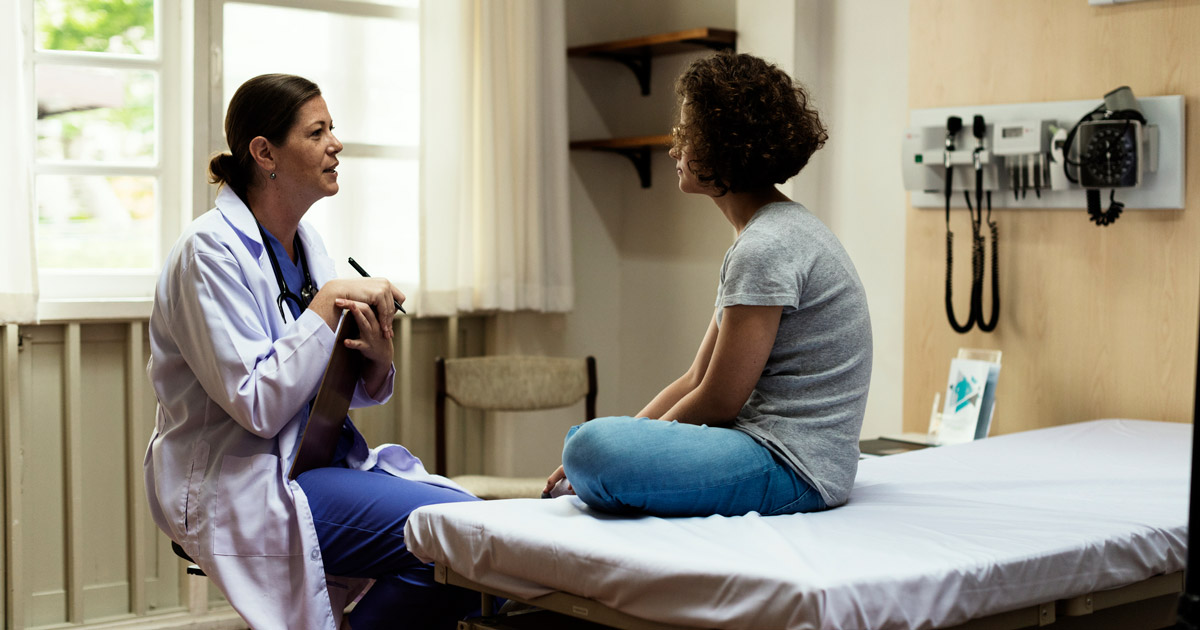
A novel treatment on the horizon for Plasminogen Deficient patients
Type 1 Plasminogen Deficiency (PD) causes inflamed growths on mucous membranes such as the eyes, nose and trachea. Until now, the only treatment has been excision.
-
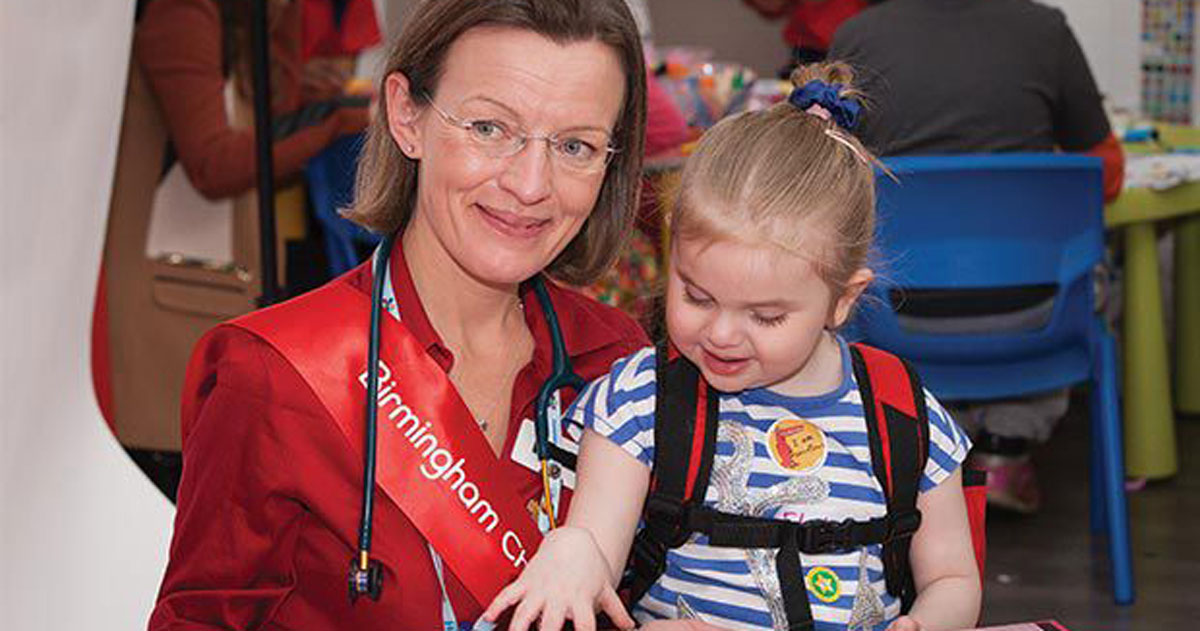
Raising the bar in rare disease patient care
Dr. Larissa Kerecuk’s enthusiasm for the UK’s first Rare Diseases Centre for Children in Birmingham makes a compelling case for more patient-centred approach to care.
-

Revolutionary aHUS treatment reduces risk of kidney failure
A rare, and potentially fatal condition, aHUS, mystified doctors for years. Today, thanks to patient support, the outlook for sufferers is much more hopeful.
-
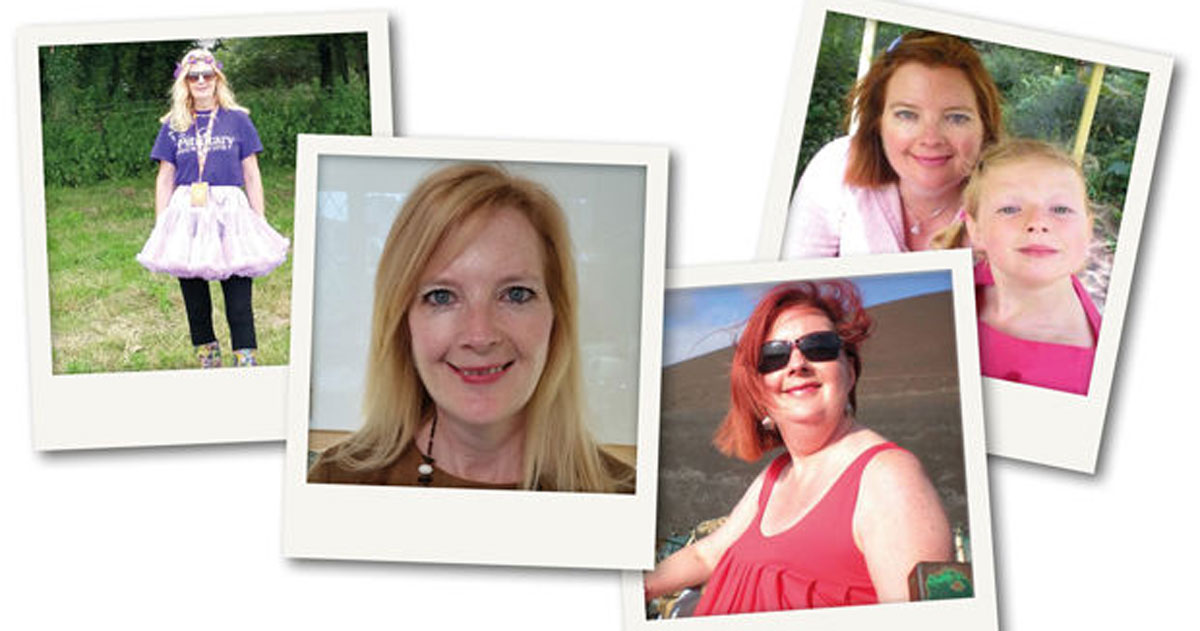
Adjusting to life with Cushing’s disease
"I wouldn't wish this on my worst enemy, but at the same time, Cushing's has brought me as much as it has taken away" says Sammy Harbut.
-
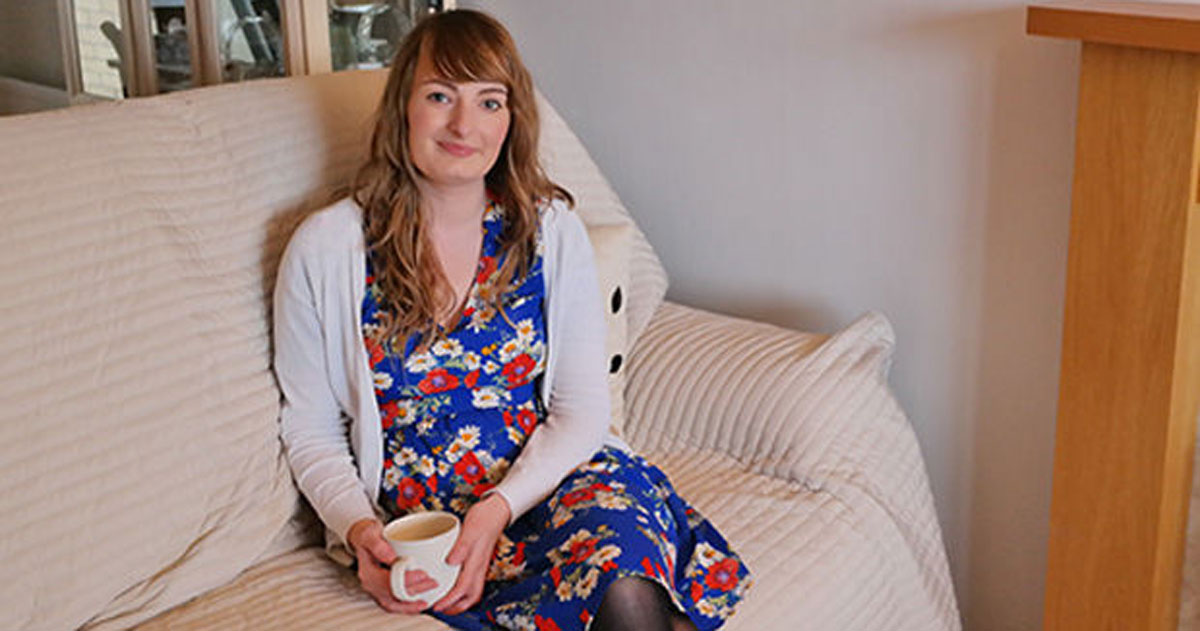
Quick action was crucial for Jaclyn’s life with aHUS
Jaclyn Caisley went from being a 'normal person with a normal life' with no significant medical history, to living with a a life-threatening condition in just two weeks.
-

High costs to develop drugs that may only help a few people
With the NHS under unprecedented financial pressure it's more important than ever that new drugs developed to treat rare diseases are both clinically and cost-effective.
-

Rare disease research sheds light on more common conditions
Rare diseases struggle to gain the interest of researchers and funders of research, but they often help understanding of more common conditions, opening new doors for therapy.
-
Treating patients with their own – corrected – cells
When it comes to treating rare diseases, gene and cell therapy has come of age and the results are very promising.
-
The rare condition that causes fits, and even death, in babies
Hypoparathyroidism can go undetected for years, and can even be misdiagnosed as psychiatric illness, but greater awareness and an available treatment can change or even save lives.
-

Rare disease patients should not be disadvantaged
Rare Disease Day is major event across the globe. The main objective of the day is to raise awareness with policymakers and the public of rare diseases and their impact on the lives of patients.
-
Making science work for rare disease patients
The UK can be a leader in rare disease research and NHS patients can reap the benefits.
-

Rare disease research helps to ‘join the dots’
Rare disease research takes time by virtue of the fact that patients can be few in number and scattered all around the globe.
-

How the rare genetic disorder NAIT has affected my family
'A devastating brain bleed caused by NAIT (Neonatal Alloimmune Thrombocytopenia) while still in the womb, left my son with lifelong disabilities,' explains Gillian Magee.
-
Patients can now consult international experts
As many as 50 per cent of rare diseases are undiagnosed, but international collaboration using digital technology could reduce that figure in the future.
-
Improve treatment options through early access to medications
Dr Michel van Harten, Head of Medical Affairs at myTomorrows, believes increasing patient access to developmental medicine needs support and describes how Early Access Programmes could help patients in need.
-

Children with rare diseases find their lives disrupted by treatment
Centralised treatment for children with rare diseases looks set to end the misery of multiple different appointments.
-
Progress towards implementing a UK Strategy for Rare Diseases
1 in 17 people will be affected by a rare disease at some point in their life; this amounts to approximately 3.5 million people in the UK.
-

New drugs to give babies with rare diseases a better start in life
Professor Georg Hoffmann explains how an orphan drug could offer a new treatment pathway for babies born with potentially fatal rare diseases.
-
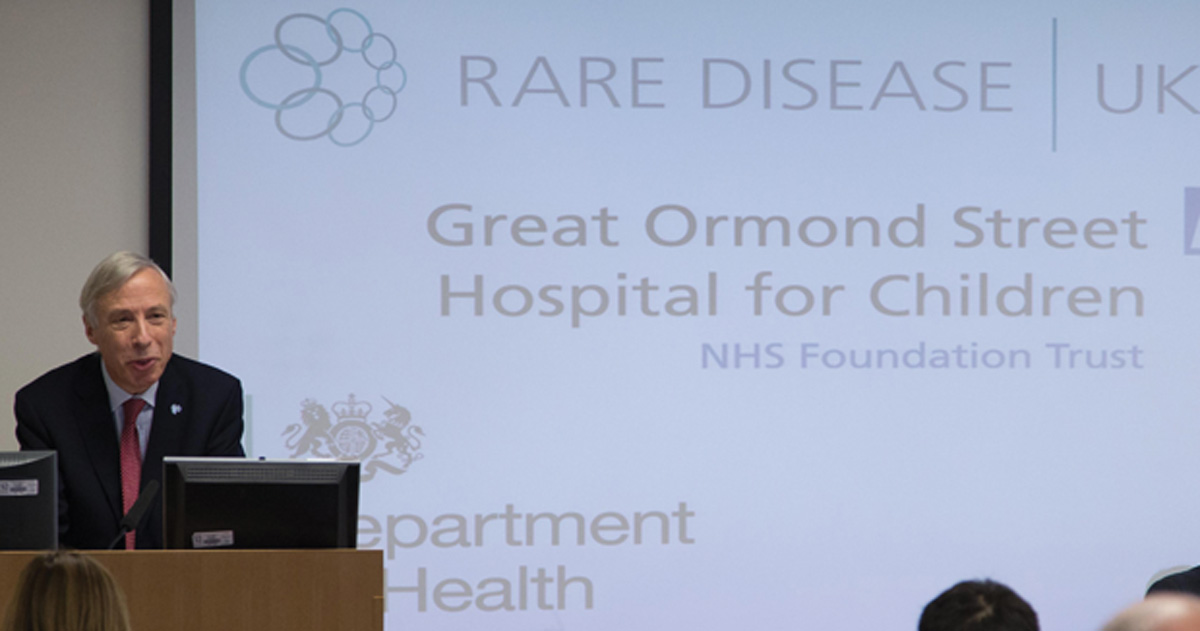
UK strategy responds to needs of patients
Four nations of the UK have come together to recognise and respond to the needs of rare disease patients with a systematic approach.