Health Awareness




In this issue
-
s Sponsored
Protected: Uterine fibroid embolisation: how to treat fibroids and why it’s effective
There is no excerpt because this is a protected post.
-

Health hub model: how to improve access to women’s health services
A national women’s health hub model offers a wealth of opportunities, promising to improve the health and wellbeing of women and girls. This year, the Government announced funding for the national rollout of the Women’s Health Hub model in England. These community hubs present an opportunity to better meet the needs of women throughout their...
-

Cervical cancer prevention in the UK — what are the tools we need?
The UK has the tools to help make cervical cancer a thing of the past; we need government action to get us there as soon as possible. Every day in the UK, nine women are diagnosed with cervical cancer, and two women lose their lives. At Jo’s Cervical Cancer Trust, we know that the impact...
-

What women can do to age healthily and effectively manage their menopause
Women should expect to live a third of their lives after menopause, which is a natural life stage. Declining levels of oestrogen following menopause can also be associated with symptoms; and for some women, these symptoms are extreme. In reproductive life, the ovaries release eggs, capable of developing into a pregnancy, if fertilisation occurs. The...
-

Breast awareness during and after pregnancy
In our years of talking to young people about their breasts and chests, we noticed that pregnancy and breastfeeding were seen by many as a barrier to breast awareness. At CoppaFeel!, we know how important it is for everyone to get to know their bodies and to talk to their doctor if they notice any...
-

Science-based supplement helps perimenopausal women get better sleep
Getting a good night’s sleep is often an all too elusive prospect for perimenopausal women. But now, a ground-breaking supplement offers a possible solution. For many women going through perimenopause and menopause, uncomfortable symptoms such as hot flushes and night sweats are often to blame when it comes to disrupted sleep. But fluctuating hormones are...
-

s Sponsored
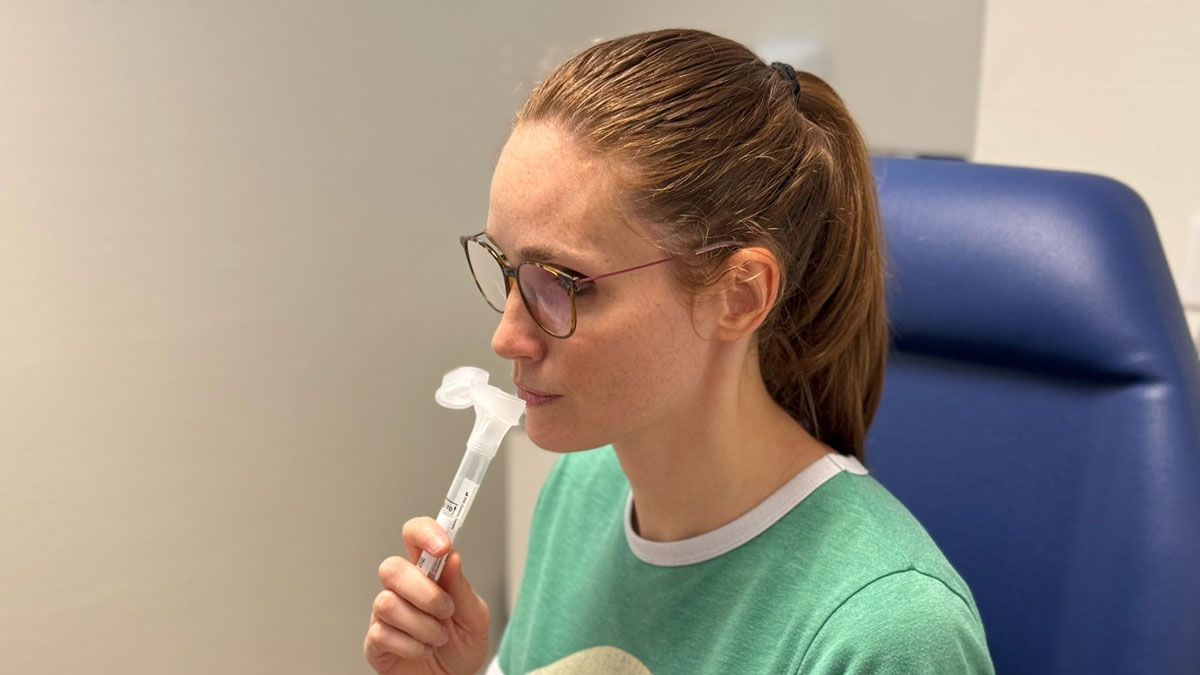
Cervical cancer is highly preventable: what you can do
Among females in the UK, cervical cancer is the 14th most common cancer, with approximately 3,300 new cases each year (2017–2019). However, 99.8% of cases are preventable. Nicola was diagnosed with cervical cancer in 2019 following routine cervical screening. Virtually all cases of cervical cancer are caused by HPV infection. “I expected the all-clear...
-

Women’s health outcomes: ensuring access to personalised care for all women
Despite the greater national focus on women’s health outcomes, the progress has been too slow. We must ensure all women can access safe and truly personalised care. In recent years, there has been a greater focus on women’s health outcomes across government and policy. This welcomed development has led to the women’s health strategy and...
-

s Sponsored
How research is saving lives from cervical cancer
Research conducted over the past three decades into human papillomavirus (HPV) has helped develop a vaccine to protect millions of women against cervical cancer. Following the implementation of the HPV vaccine in 2008, cervical cancer cases have dramatically reduced in young women who were offered the vaccine. Cancer Research UK have been behind the research...
-

s Sponsored
How women can be empowered to take control of their own fertility
Women who are experiencing symptoms of PCOS or want to normalise their menstrual cycle may prefer to take a simple food supplement rather than hormonal medication. Irregular menstrual cycles can have several possible causes, including hormone imbalance, pregnancy, stress and health issues such as polycystic ovary syndrome (PCOS) — a condition affecting how the ovaries...
-

s Sponsored
Shifting gears: why we need to accelerate innovation in women’s health
In order to improve global health, we must address the prevailing gender gap in medical research, health education and treatment. You might be wondering how a man is qualified to write an article about women’s health. It’s a valid question, but there are two key reasons why I wanted to step forward. Firstly, to achieve...
-

Why the underrepresentation of women is an injustice to healthcare
Where do we stand today — in a world systemically designed for men — as we reach the ‘milestone’ of 30 years of women included in clinical trials? Historically, women have been excluded from research and clinical trials for a variety of reasons, most notably, the treatment of the male body as the ‘norm.’ It...
-

s Sponsored
Create menopause and period-friendly policies with this free, easy toolkit
A new standard gives businesses the tools to provide practical ways of helping employees experiencing menstruation and menopause and create thriving workplace environments for everyone. Looking after menstrual and menopausal health is key to encouraging longer and more fulfilling work lives, which is why BSI — the UK’s national standards body — is publishing a...
-

Growing my family after years of hope and challenges
I’m 52, and a mother of two beautiful children. Both children have been a struggle to conceive, and I wanted to share with you my story of hope. Married in 2000, I was 29 and Phil was 34. We started trying for a baby in 2002, and nothing happened. After much investigation, I was told...
-

What is it like to be a person with endometriosis without proper care?
Endometriosis is a condition where cells similar to the ones lining the womb are found elsewhere in the body. Each month, these cells react to the menstrual cycle in the same way as those in the womb, building up, then breaking down and bleeding. Unlike the cells in the womb that leave the body as...
-

s Sponsored
One in ten people born female at birth are affected by endometriosis
Endometriosis is a debilitating condition which is easily missed on a scan, potentially adding years to diagnosis. Better training of clinicians is vital to improve patient care. The exact cause of endometriosis is unknown, admits Dr Susanne Johnson FRCOG, an Associate Specialist in Gynaecology at Gynaechoice, Southampton. What is certain is that endometriosis can affect...
-

What pelvic floor health means to women — and why it’s important
Many women feel too embarrassed to speak to their friends or partners when they experience symptoms of pelvic floor dysfunction, such as leaking urine or urinary incontinence. Conversations about pelvic floor health and symptoms associated with a weak pelvic floor remain a taboo topic, and Dr Ranee Thakar, President of the RCOG hopes to tackle...
-

Risk of ovarian cancer: how to check and what to do
The key signs and symptoms of ovarian cancer are persistent bloating, feeling full quickly, nausea, abdominal or pelvic pain, changes to bowel habits and needing to wee more frequently. March is Ovarian Cancer Awareness Month, and at The Eve Appeal, the UK’s leading gynaecological cancer charity, we want to spread information that we think everyone...
-

Changing attitudes and helping women deal with the menopause
A leading gynaecologist emphasises the importance of awareness and understanding in supporting women as they go through the menopause. Dr Haitham Hamoda says that menopause affects women in different ways; some will experience severe symptoms and others may have them for longer than expected, while a quarter of women may not experience symptoms. Menopause symptoms...