Health Awareness




In this issue
-

s Sponsored
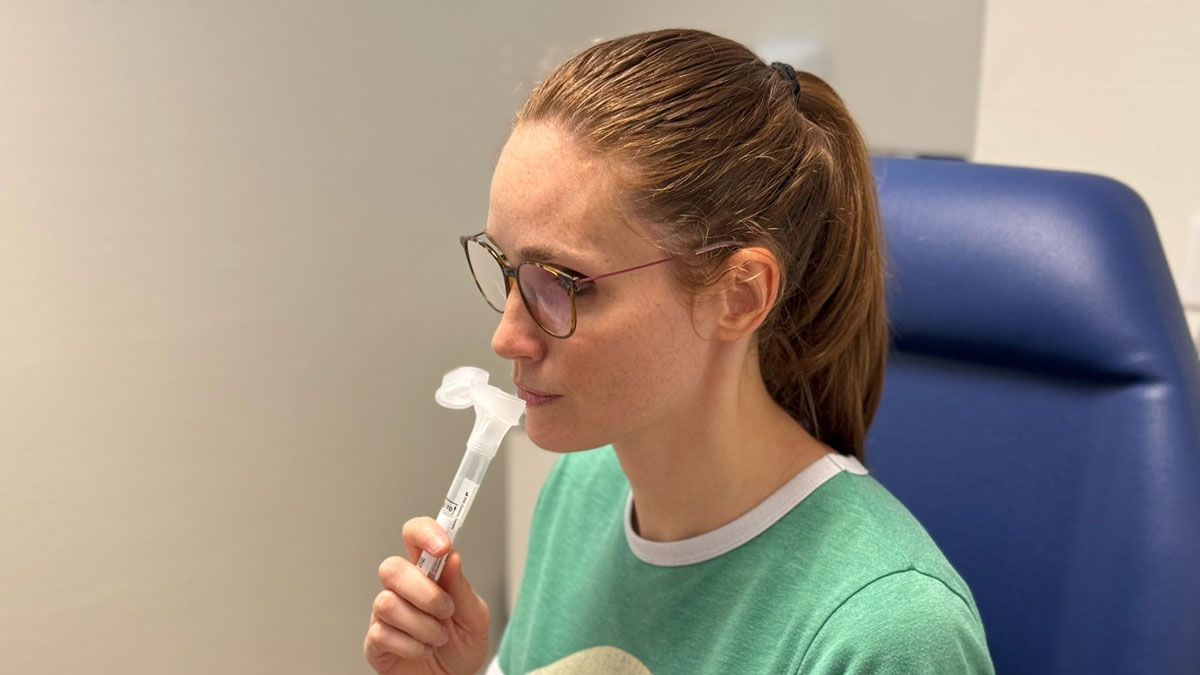
There are more reasons than ever to attend colposcopy appointments
Cervical screening and colposcopy are a powerful way to reduce cancer cases. Now a device that increases the accuracy of detection makes for easier treatment decisions. Hearing that you have an abnormal cervical screening result (smear) is always worrying. It may mean being called into a clinic for a colposcopy, a test designed to detect...
-
s Sponsored
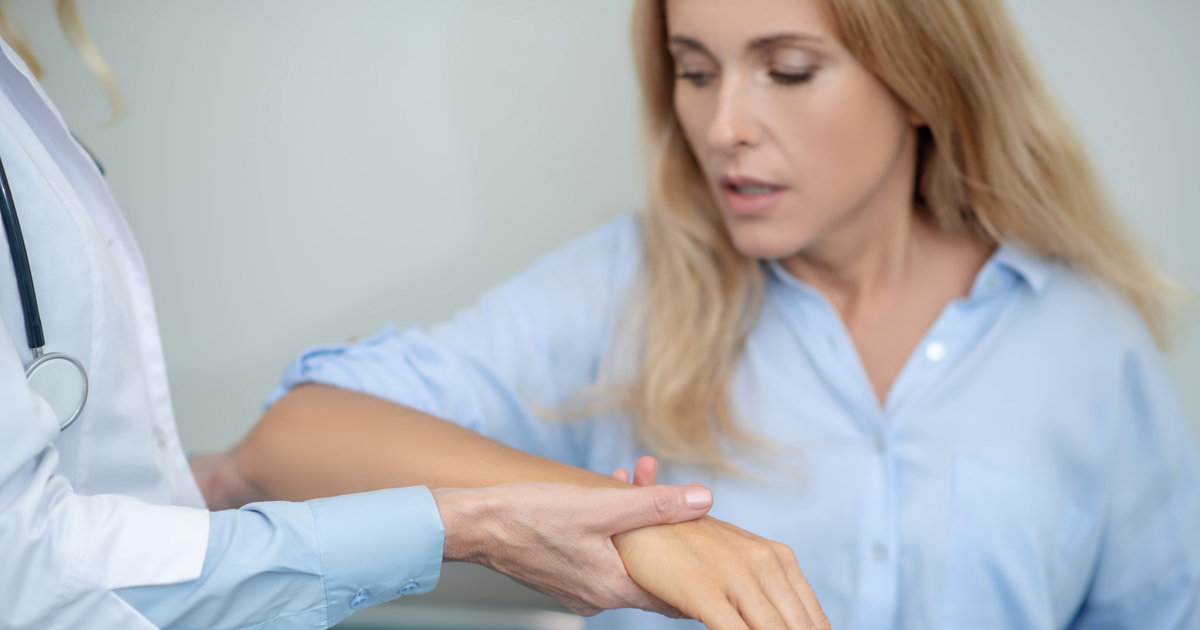
The silent disease putting women at risk
Osteoporosis is a silent threat, especially to women facing, going through or post-menopause – yet it’s widely ignored by doctors and even women themselves. Osteoporosis is a neglected condition – and hundreds of thousands of post-menopausal women suffer as a result. “Osteoporosis affects 3.7 million people in the UK (78% of which are women), but...
-

s Sponsored
Why we need to be more honest about the issue of vaginal dryness
Vaginal dryness is a taboo subject — although it shouldn’t be because it’s extremely common and isn’t limited to menopause. Thankfully, solutions are readily available. There’s a sex scene in And Just Like That…, the recent sequel to Sex and the City, where one of the main characters reaches for some lube. Rachel Rowntree was...
-
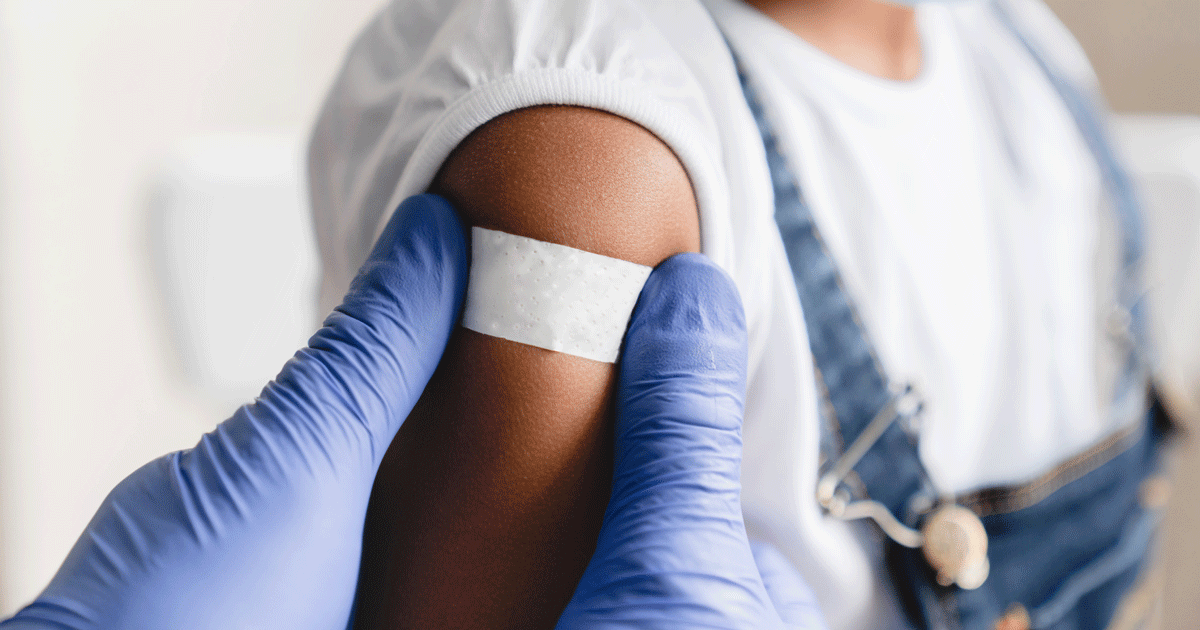
The HPV vaccine and screening are our best tools for eliminating cervical cancer
Cervical cancer is the fourth most common cancer among women globally but, it can be prevented with the HPV vaccine and cervical cancer screenings. Laura Brennan did not get the HPV vaccine and her words were recorded in March 2019, shortly before she passed away, “This vaccine is safe and effective and along with cervical...
-

Our campaign partners
The Fertility Show The Fertility Show is back for its 11th year and will take place at London Olympia on 7th & 8th May 2022. The renowned Show is the only live event that lets you meet with so many top fertility experts, clinics and doctors in one place at one time, in a safe...
-

UK employers failing to support women’s reproductive healthcare needs
Reproductive technologies have improved drastically in their 40-plus year history, but workplace policies to protect and support women in need of fertility treatment are still sadly lacking. In 2019, according to the Human Fertilisation and Embryology Authority, 53,000 women, most of them in employment, underwent fertility treatments such as IVF – the complex, invasive and...
-

Endometriosis: a misdiagnosed condition affecting 1.5 million
Why are so many told that crippling period and pelvic pain is normal? Women are waiting an average of eight years to get diagnosed with common condition. “You’d better get used to this – this is what it’s like being a woman!” Harriet will never forget those words, directed at her with a laugh by...
-
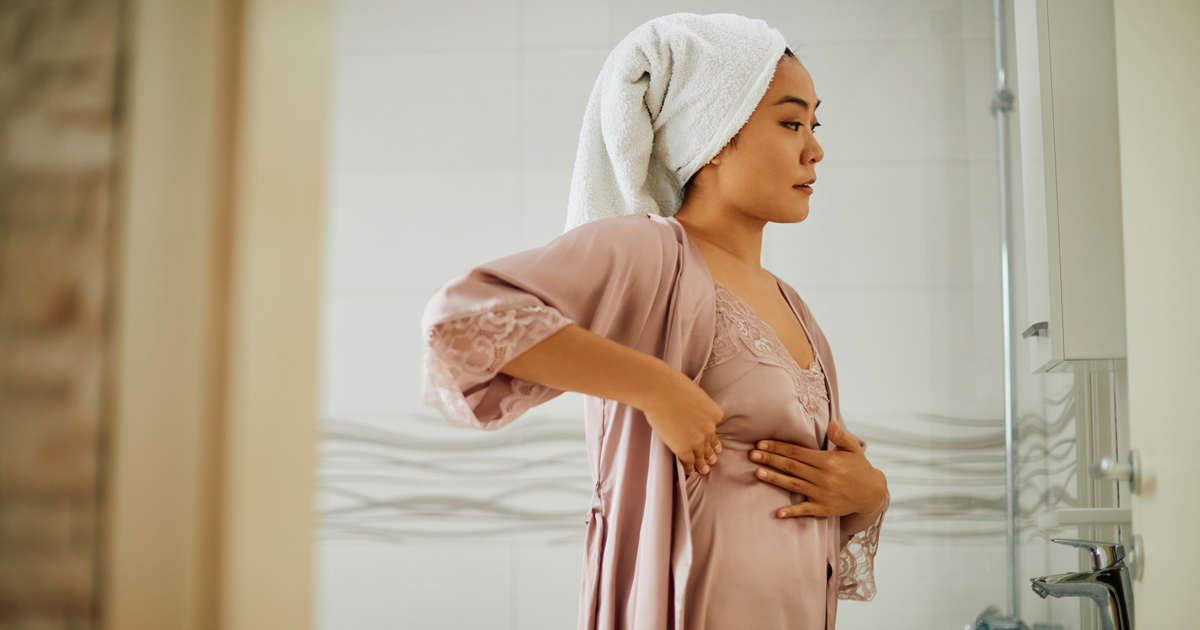
Being breast aware from a young age could save your life
Breast cancer is the most common cancer in women aged 25-49, but young people are not routinely screened. Checking regularly is the best way for young people can get to know themselves. When you think of someone affected by breast cancer, who do you think of? A young person? Perhaps you picture someone older? Although...
-

The challenge of diagnosing the cause of chronic pain
There is a growing need to raise awareness of some of the less well-known gynaecological conditions which can lead to women suffering with chronic pain if left untreated. Awareness of gynaecological conditions such as endometriosis is growing, but there is limited public awareness of some gynaecological causes of chronic pain. Overlapping symptoms of many conditions...
-
s Sponsored
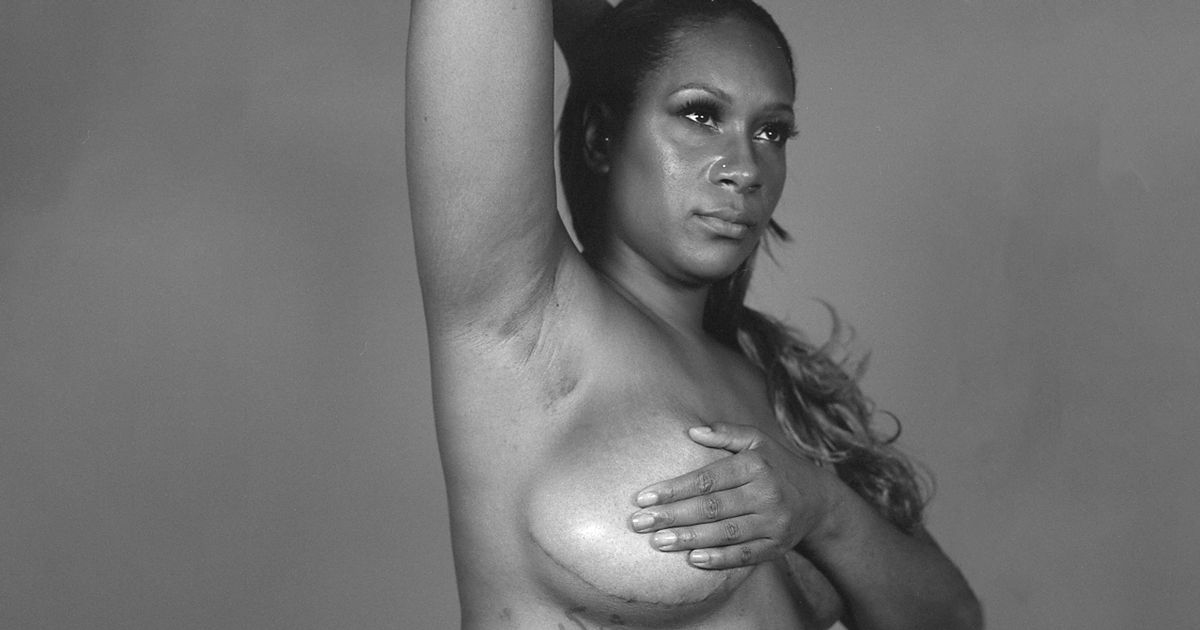
We must do more to improve inclusivity in breast cancer care
When it comes to breast cancer, not everyone has the same choices or access to care. We need to do more to support women of colour and those living with secondary breast cancer. Women living with secondary disease (also known as metastatic or advanced cancer) and women of colour can often feel excluded from conversations...
-

Top tips on how to manage menopause symptoms
Everyone’s experience of the menopause is different. But there are lots of useful tips and advice on how to reduce the common symptoms of menopause. Dress in easily removable layers so you can adjust your temperature if you need to. Wear natural fibres as much as possible, or mixtures containing some natural fibres. Avoid tight-fitting...
-

Taking an individualised approach to HRT
All women should be able to access advice on how they can optimise their menopause transition and the years beyond. There should be a holistic and individualised approach in assessing menopausal women, with particular reference to lifestyle advice, diet modification as well as discussion of the role of HRT. The decision whether to take HRT,...
-

s Sponsored
Menopause treatment the natural way
Adele found a natural menopause treatment that worked for her, and now she and her two daughters are working to share it with other women. As an investment portfolio manager in London’s finance sector, Adele regularly held presentations in a male-dominated environment. But then suddenly it made her uncomfortable. “Standing there I felt increasingly hot...
-

Knowing yourself and your body could save your life
Although breast cancer is the most common cancer in females aged 25-49, a quarter of young people aren’t aware it could affect them. Anyone can be affected by breast cancer, but through our research we’ve found that a quarter of young people don’t realise they are at risk. It’s why we’re asking you to know...
-

Make breast checking a habit of a lifetime
While the pandemic has thrown us into unprecedented times, one thing remains the same – all women must get any potential symptoms of breast cancer checked. The COVID-19 pandemic has brought unparalleled challenges for people affected by breast cancer and our National Health Service, including disruptions to diagnosis. We estimated that almost 11,000 people in...
-

s Sponsored
Finding the optimal treatment for genitourinary syndrome of menopause
A vaginal laser treatment is becoming a highly sought-after option for menopausal women suffering from vaginal dryness, pain, irritation and a deteriorated sexual life. While menopause is a natural and significant stage in a mature woman’s life, education and public discourse on the topic is unfortunately limited, especially concerning sexual health. A large majority of...
-

We need that lightbulb moment with secondary breast cancer
Jacquie Beltrao, 56, was diagnosed with secondary breast cancer in 2020, at the start of lockdown. She explains how it feels to be told your cancer has returned. The news that Jacquie’s breast cancer had returned and was treatable but not curable came out of the blue and was quite frankly terrifying. “When you get...
-

How trials are making breast cancer radiotherapy smarter and kinder
Researchers have developed and tested new radiotherapy treatment regimens, treating women with breast cancer with fewer daily doses of radiation, whilst minimising side effects and the burden on patients. Around 63% of patients diagnosed with breast cancer in England receive radiotherapy as part of their primary curative cancer treatment. The total dose of radiotherapy given...
-
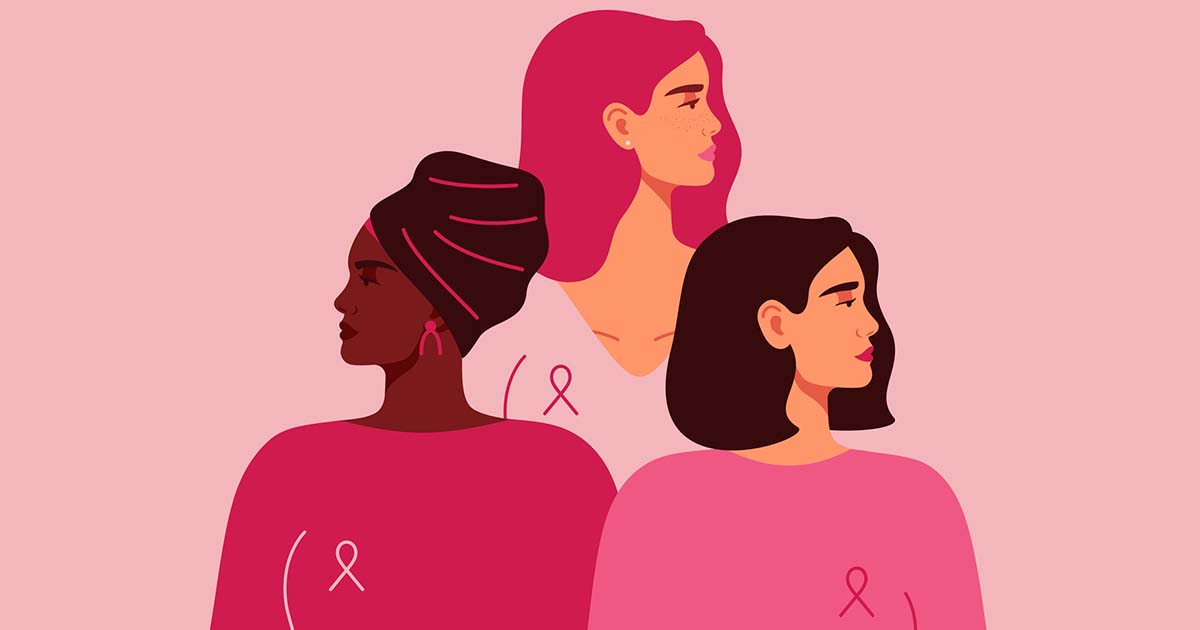
Why are there fewer women of colour surviving breast cancer?
Whilst breast cancer is one of the most common cancers, women of colour have disproportionately poorer outcomes. Breast cancer is one of the most common cancers and affects one in seven women in their lifetimes. Breast cancer screening and awareness education, along with better treatment, means that 76% of women diagnosed in the UK will...