Health Awareness
Blood Health Q3 2022
-
s Sponsored
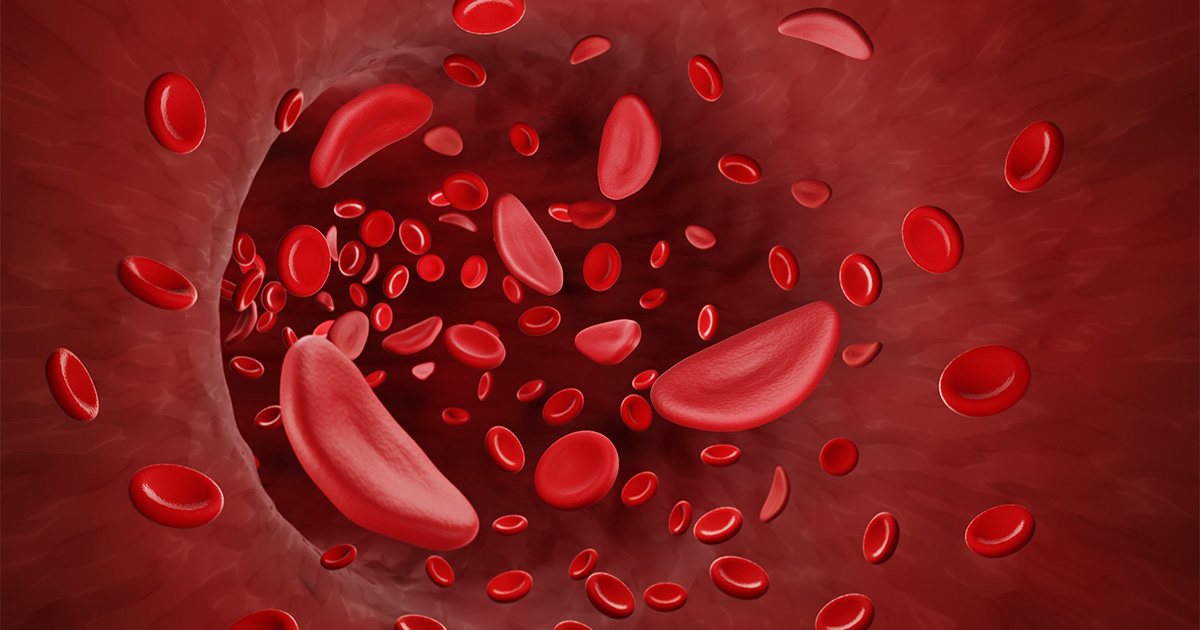
Addressing the cause of sickle cell is the first step to finding the solution
New scientific developments are making what once seemed impossible possible for people living with this serious disease. The last 30 years have brought dramatic advances in human health through the discovery of new medicines; people now live with HIV, cancers are being cured and the risk of developing heart disease can be significantly reduced. But...
-
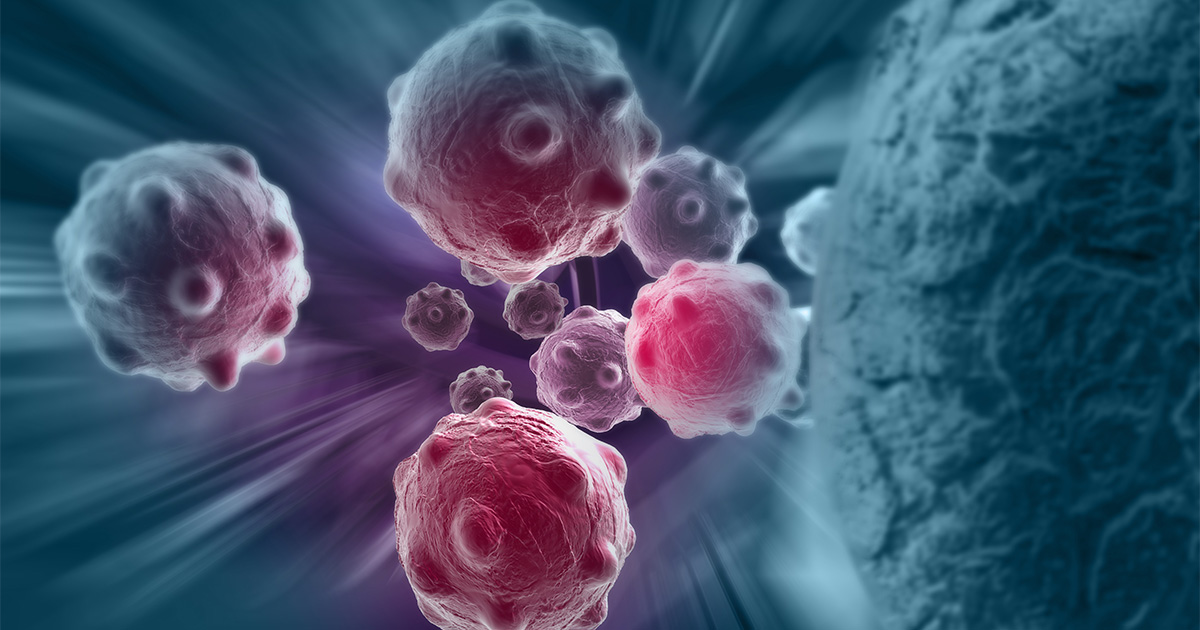
Better safe than sorry: could it be blood cancer?
The symptoms of blood cancer are many and varied – some might even say vague. Often, patients and medical professionals alike put them down to age, stress or other less serious conditions. It is found that 30% of people who get a blood cancer diagnosis have to see their GP three or more times. Another...
-

Give blood, spread love to people with Sickle Cell Disease
T’sharne is one of the 15,000 people in the UK living with a sickle cell disorder (SCD), the term used to describe a range of inherited blood disorders affecting the haemoglobin in red blood cells. 16-year-old T’sharne just wants people “to understand that sickle cell is athing — that it exists,” and to understand the...
-

s Sponsored
Heightened awareness of sepsis and faster treatment can save lives
Diagnostic tests are playing a critical role in the fight against sepsis and bloodstream infections and enabling clinicians to give patients the correct antibiotic treatments for recovery. Reviews of blood culture practices, new technologies and antimicrobial stewardship are seen as critical steps to support the management of bloodstream infections, such as sepsis. Closer partnerships between...
-
Covid-19 pandemic legacy: the impact on myeloma patients
The pandemic brought uncertainty, delays and disruption in care/access to treatments for patients with a type of blood cancer — myeloma. During the pandemic, society became more aware of this vulnerable group. But as we have discarded our masks and restrictions — what does their future look like? Myeloma is difficult to diagnose due to...
-
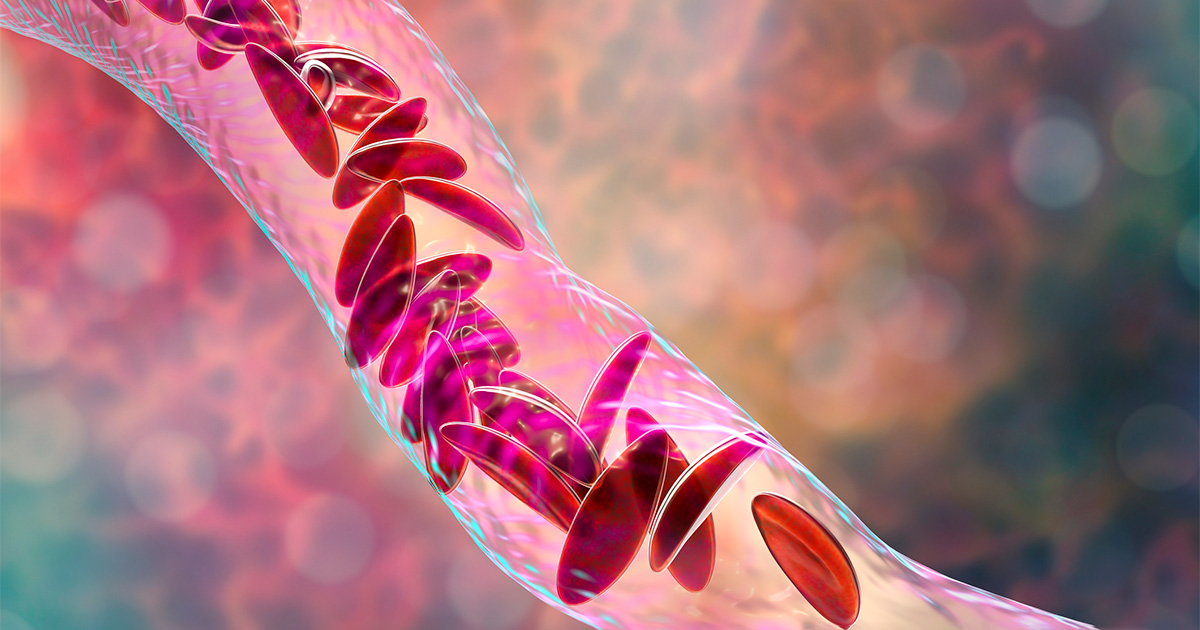
We must do more to address the sickle cell tragedy
Sickle cell disorder mainly affects people from African and Caribbean backgrounds. It’s an inherited blood condition that can shorten life and lead to severe unpredictable bone pain which blights many individuals’ lives. How would you feel if from a young age, you knew what you were likely to die from? If you had witnessed friends...
-
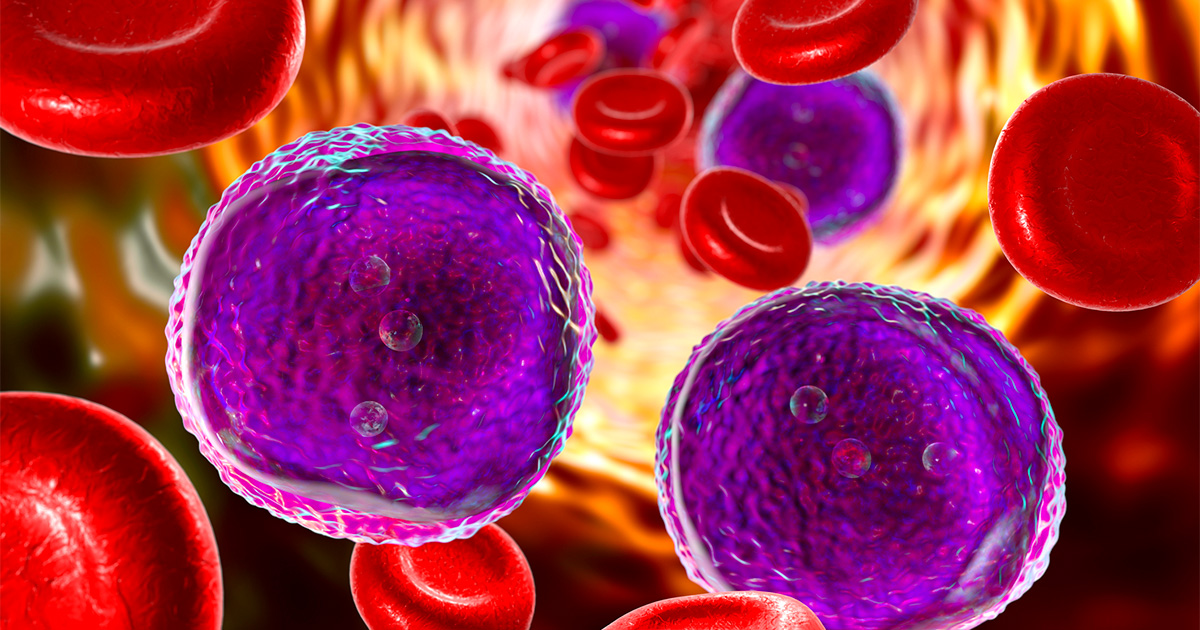
Research breakthroughs are driving innovations in leukaemia treatment and care
Accelerating progress in leukaemia diagnosis, treatment, care and research has the power to both save and improve lives. Leukaemia is a difficult disease to treat. It occurs when white blood cells develop in an uncontrolled way, dramatically reducing their ability to fight infection, but there is hope. Acute leukaemias are fast developing and particularly hard...
-

s Sponsored
How cytogenetics innovation allows medical teams to plan optimal patient care
The field of cytogenetics offers rapid diagnosis to patients with serious haematological disorders and the opportunity to deliver targeted therapies for optimal care. Every patient deserves a timely diagnosis — particularly for a serious haematological disorder such as leukaemia. The specialist discipline of cytogenetics can report results quickly and efficiently, leading to earlier interventions, targeted...
-
VWD signs and symptoms are being ignored, it’s time to change this
More than 11,000 people in the UK are diagnosed with von Willebrand disorder and yet, hardly anyone – including many GPs – has heard of it. This lack of awareness about the most common inherited bleeding disorder in the UK means that up to 100,000 more could be living with the condition undiagnosed. Even those...