Health Awareness
Cardiovascular Health 2021
-

Top tips for managing diabetes to reduce risk of heart disease
Having diabetes raises the risk of developing heart disease, which can lead to heart attacks and strokes. It’s important to take good care of your heart and blood vessels, especially when you have diabetes. When you have diabetes three major factors can damage blood vessels and contribute to heart and circulation problems: high blood sugar,...
-

Many stroke survivors struggle with loss of identity
Staying healthy is crucial in reducing the chances of having a stroke, on occasion a stroke may not be caused by an unhealthy lifestyle, but from an often undiagnosed medical condition. Andy had a stroke aged 46, in May 2019. He was camping with his son on a remote Scottish island, after completing a half...
-

Circulatory diseases – a growing global problem
Article by:International Diabetes Federation, International Society of Nephrology, World Heart Federation and World Stroke Organisation, on behalf of the Global Coalition for Circulatory Health. Circulatory diseases, including diabetes, heart disease, kidney disease and stroke, are the leading cause of death worldwide. Circulatory diseases are the world’s main cause of disability and death. Together, diabetes, heart...
-

Heart failure was a priority before COVID-19, but it’s urgent now
Heart failure is a key health concern of our time. The COVID-19 pandemic has only brought that into clearer focus. Now, much more needs to be done to improve care. Early diagnosis is a key factor in ensuring heart failure patients receive the right treatment and care. Only around one in 14, however, receive their...
-
Helping patients through cardiac surgery
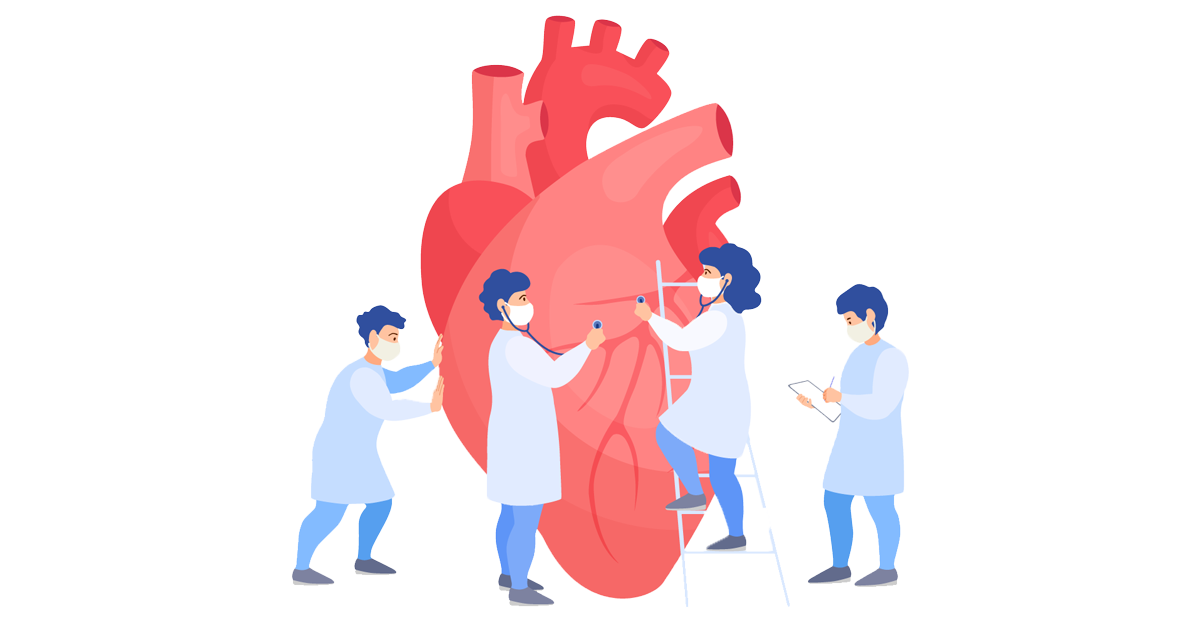
Every heart operation is where an individual puts their trust in the surgical team: to get them through surgery safely; to improve their symptoms; to improve their quality of life; to prolong their life. Every patient has great courage to consent to have their heart operation. Cardiac surgical teams in the UK have accepted their...
-
Prevent the person from becoming a patient
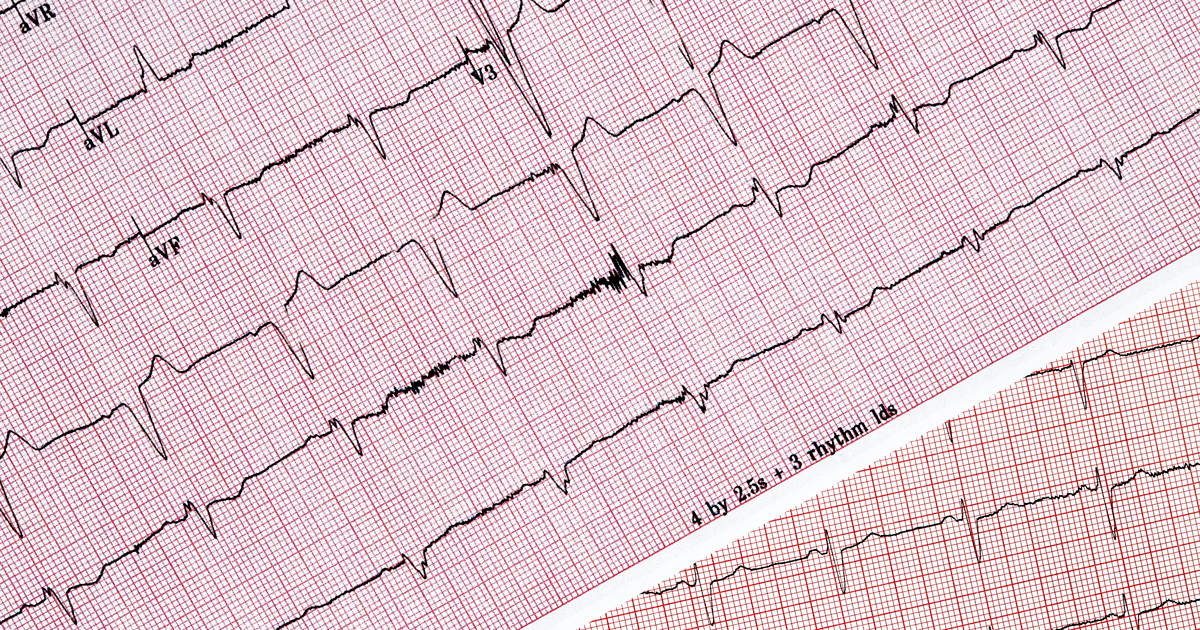
We need to focus on preventing atrial fibrillation (AF) as well as detecting it with a simple pulse check to protect against AF-related stroke. AF is the most common type of arrhythmia (heart rhythm disorder) and is associated with an increased risk of stroke. Without anti-coagulation therapy, a person with AF may be five times...
-

Ensuring heart failure patients access care promptly in the pandemic
Heart failure patients have been significantly affected as a result of the pandemic. The Pumping Marvellous Foundation released a new patient survey (published in European Society of Cardiology’s Heart Failure Journal) regarding the impact of COVID-19 on services. The research was designed by patients with heart failure specialists to analyse why people are avoiding hospitals...
-

s Sponsored
How AI-enabled remote monitoring is helping heart patients
The NHS is embracing proven, innovative technologies to continuously monitor patients for cardiovascular conditions within their own homes. Atrial fibrillation (AF) affects about 1.5million people in the UK and causes a fivefold increased risk of stroke, which can be devastating for patients and creates a significant financial impact on healthcare systems. New technologies are needed...
-

s Sponsored
Knowing the symptoms of aortic stenosis may save your life
Pictured – Margaret Deem, Patient Margaret Deem’s lower leg pains and breathlessness weren’t signs of ageing — they were symptoms of a potentially fatal heart valve condition. A minimally invasive valve replacement procedure saved her life. Margaret Deem’s health problems started with gripping pains in her lower legs, breathlessness and sometimes dizziness, but originally only...
-

Reducing obesity rates is key to improving the nation’s cardiovascular health
Before the COVID-19 pandemic took hold last year, the UK’s booming obesity rates were one of the biggest public health challenges the country faced. Around 27% of the UK’s adult population has obesity and a further 35% have excess weight. Our nation’s obesity challenge starts early in life. It is a sad fact that if a child has obesity, then...
-

COVID-19 accelerates adoption of new tech in healthcare
The COVID-19 pandemic has triggered a rapid and sudden shift to using digital technology in healthcare. “The doctor will see you now” has taken on a very different meaning during the COVID-19 pandemic. “Virtual” conversations – on the telephone or via a videocall – have replaced more than 90% of patient-doctor appointments since March 2020, when the UK went into...
-

Freedom from the F Word…
Heart failure. The chill is in the name. Do you know what heart failure is? Would you be able to recognise it? Heart failure is an insidious condition characterised by symptoms including fatigue, fluid build-up, often noticeable in the ankles and fighting for breath. It is caused by a structural and or functional abnormality in the heart which leads to reduced cardiac output.1 There are approximately one million people with heart failure in...
-

Delay in seeking help risks poor outcomes
COVID-19 has placed a major strain on hospitals but, thanks to the efforts of NHS staff, emergency treatment for heart attacks and other heart diseases has continued uninterrupted. Early on in the pandemic cardiologists across Europe reported seeing a large fall in patients being treated for heart attacks. Similar patterns were reported for stroke and for heart failure....