Health Awareness
Cardiovascular Health Q1 2022
-

Increased testing is needed to screen children for FH
Familial hypercholesterolaemia (FH) is an inherited condition which can cause extremely high cholesterol levels. It is passed down through families in the genes. Without treatment, FH can lead to heart disease at a very young age. But once it’s been diagnosed, it can be treated with medicines and a healthy diet and lifestyle. Given this is...
-

s Sponsored
Online cardiology education can benefit everyone
Better informed cardiologists will improve outcomes for patients. It is essential to ensure the most up to date information reaches more people. The cardiology industry never stands still. There is a greater need than ever to deliver more and better education about cardiovascular conditions to cardiology professionals – and now to patients, high risk groups...
-

s Sponsored
Platform optimises health through science-backed recommendations
Leveraging biotech and AI innovations, an evolving digital platform is helping create personalised nutrition and lifestyle programmes . For one athlete it allowed him to return to sport following a heart attack. Professional triathlete Tim O’Donnell was pushing hard in the Challenge Miami middle-distance triathlon, a third of the way through the cycling sector having...
-

Know, understand, take appropriate action – it’s that easy!
It is important for people to know and understand their cholesterol and blood fat numbers. They must then be able to take the appropriate actions to control it. We all need some cholesterol in our bodies, but too much is when problems arise. When there is too much cholesterol circulating in the body, it builds...
-

s Sponsored
The importance of lowering high cholesterol earlier
Early identification of elevated cholesterol levels in younger adults can have significant long-term benefits later in life. Identifying disease risk If people take action early on, even modest decreases in cholesterol can have benefits, explains Professor Philip Calder, Head of Human Development & Health, University of Southampton, who has an interest in nutrition and disease...
-

s Sponsored
The impact of diet and lifestyle on cholesterol levels
Plant sterols are a critical ingredient that can help people lower cholesterol using their daily diet. Eating a healthy and balanced diet is crucial in helping people reduce their cholesterol levels. High levels of “bad” cholesterol can have serious health implications, potentially leading to increased risk of heart attacks, strokes, peripheral arterial disease and vascular...
-

s Sponsored
How self-help solutions can prevent the development of vascular diseases
Simple steps and lifestyle changes can play an important role in reducing the risk of developing a vascular disease. Peripheral arterial disease (PAD) is a common condition where the main blood vessels that carry blood from the heart to other areas of the body get furred up and blocked. While there are surgical solutions, including...
-
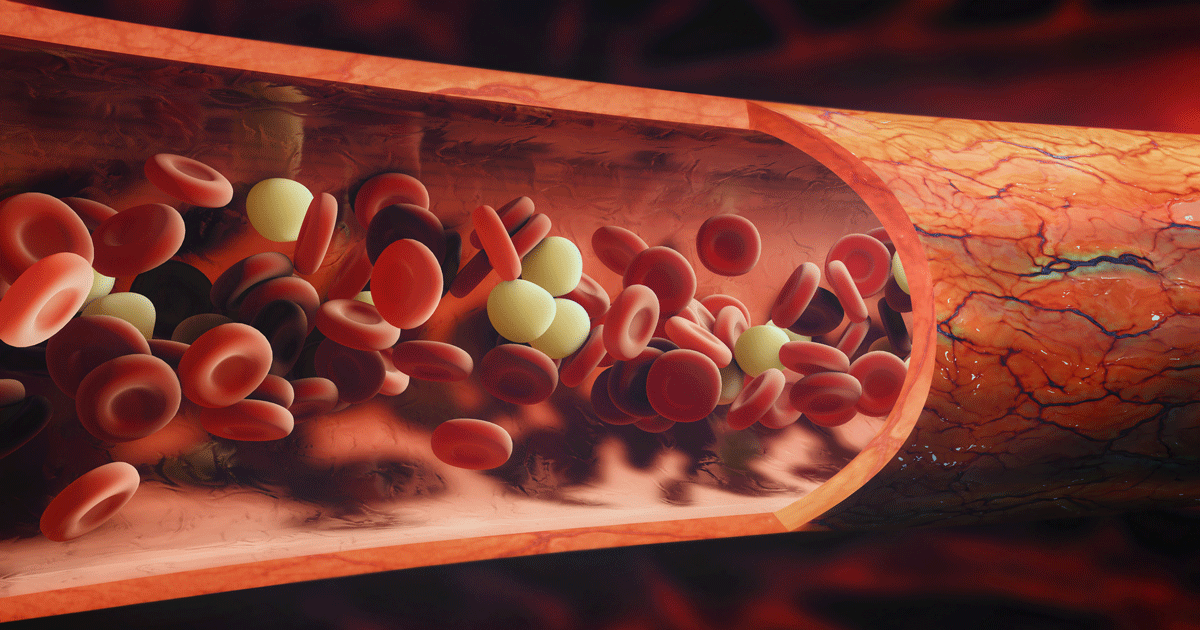
A century of driving improvements in heart disease care
A lot has changed in the last 100 years for cardiovascular care as we look back on progress made and towards the future of advancements to come. When 16 senior doctors met on 22 April 1922 to form the Cardiac Club, the first cardiac society in the world, they could not have predicted that their...
-
The power of science: turning science fiction into reality
In recent decades some of the biggest advances have been made in treatment and care for people with heart and circulatory conditions, but more still needs to be done to keep making it a reality. For over 60 years, the public’s generosity has helped the British Heart Foundation to turn ideas that once seemed like...
-

Is a new era in cardiovascular health unfolding?
Tackling the world’s leading cause of death can only happen by breaking down silos in healthcare. If we connect the data, we can ‘connect the dots.’ By 2019, cardiovascular disease (CVD) had affected 523 million people, almost double the cases of two decades earlier. Why and where are the numbers growing and how can we...
-

s Sponsored
How pulse checks could detect an irregular heartbeat
THIS CONTENT IS DEVELOPED BY THE BMS/PFIZER ALLIANCE People with a personal or family history of heart conditions have been urged to check their pulse to help identify whether they may be suffering from atrial fibrillation. Atrial fibrillation (AF) is the most common type of irregular heart rhythm disorder.1 While many people with AF experience...
-
s Sponsored
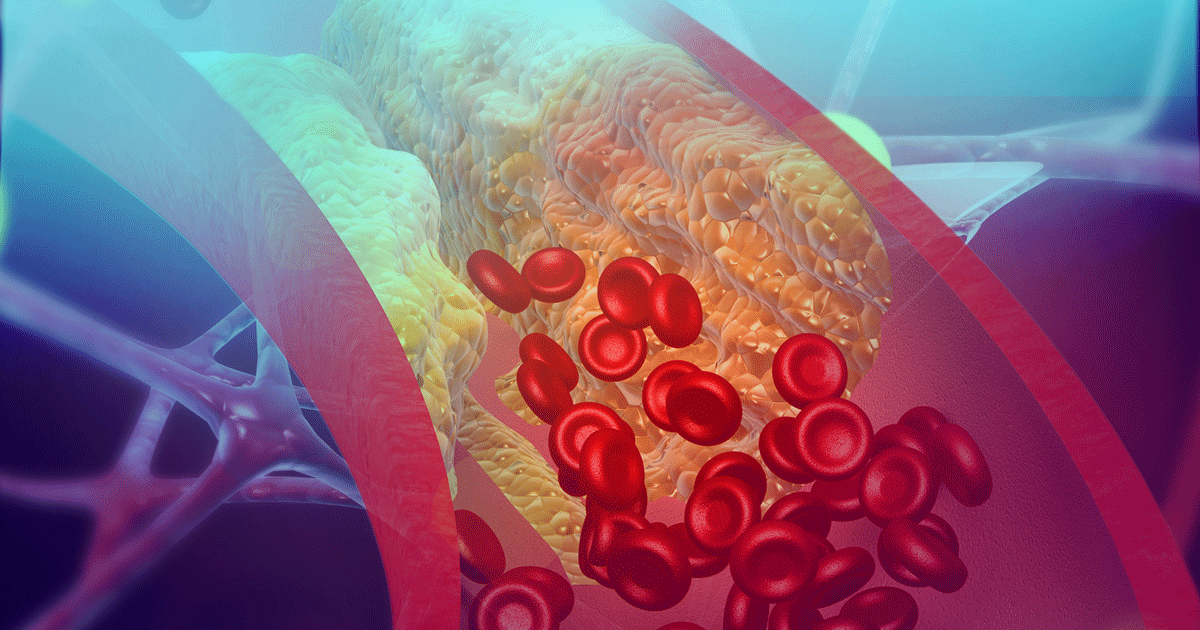
Working in partnership to improve the lives of cardiovascular disease patients
Pharma companies are reimagining medicine by exploring collaborations with healthcare systems to deliver rapid and equitable access to treatments for cardiovascular diseases. Despite advances in science that include innovative new monitoring technologies and ground-breaking therapies, cardiovascular disease (CVD) remains one of the leading causes of morbidity and mortality across the world. According to statistics from...
-

s Sponsored
How AI-powered heart monitor tech ‘can improve diagnosis’
Ambulatory cardiac monitoring powered by AI technology is more comfortable for arrhythmia patients. It also provides clinicians with better data for a definitive diagnosis. If you have suspected cardiac arrhythmia — an abnormal hearth rhythm which is either too fast, too slow or irregular — you may be given an ambulatory electrocardiogram (ECG) to wear...
-

s Sponsored
How new devices are helping cardiologists with difficult cases
Devices to treat patients with serious blockages in the blood vessels of their heart are constantly advancing. Most cases are dealt with by interventional cardiologists through keyhole surgery conducted in hospital cardiac catheterisation labs while the patient is awake. This is via PCI (percutaneous coronary intervention) or PTCA (percutaneous transluminal coronary angioplasty), where a balloon...
-

Why remote monitoring is an integral part of arrhythmia patient care
The pandemic has caused disruption and delays to healthcare services, but remote monitoring has enabled arrhythmia patients to continue with their care with confidence. The impact of COVID-19 has resulted in an increase in the use of remote monitoring and has highlighted the value and importance of remote monitoring cardiac implantable electronic devices (CIEDs). How...