Health Awareness
Healthcare Transformation 2026
-

s Sponsored
Expert fertility care for every journey
For more than 30 years, our Assisted Conception Unit (ACU) at Guy’s Hospital has been providing specialist fertility treatment and helping individuals and couples on their path to parenthood. As one of the UK’s longest-established fertility services, the ACU combines specialist expertise with evidence-based, patient-centred care for a wide range of fertility needs, including complex...
-
s Sponsored
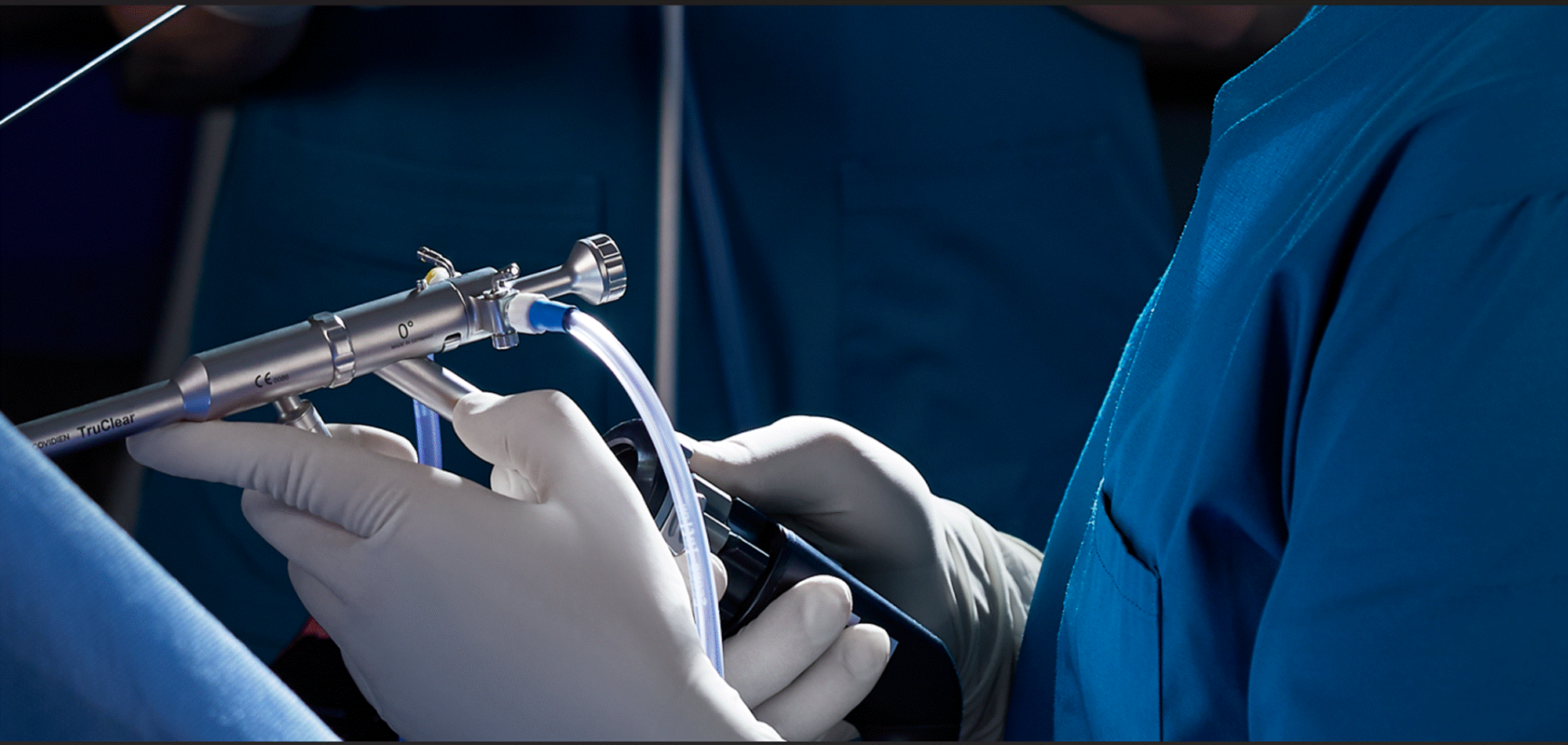
Understanding hysteroscopy’s role in improved fertility outcomes
Women experiencing fertility issues or gynaecological symptoms may be given a medical procedure called a hysteroscopy, which examines the inside of the womb. In the UK, around one in seven couples are affected by infertility.1 “The medical definition of infertility isn’t being able to achieve pregnancy after 12 months or more of regular unprotected sex,”...
-

Missing elements for digital health to succeed within NHS
The NHS isn’t short on technology; it’s short on the culture, trust and time needed to make digital transformation stick. The NHS is not an analogue healthcare system. Walk into any NHS service, and you’ll find technology in use. Yet, there are also digital platforms and pathways which are not delivering on their potential. Some...
-
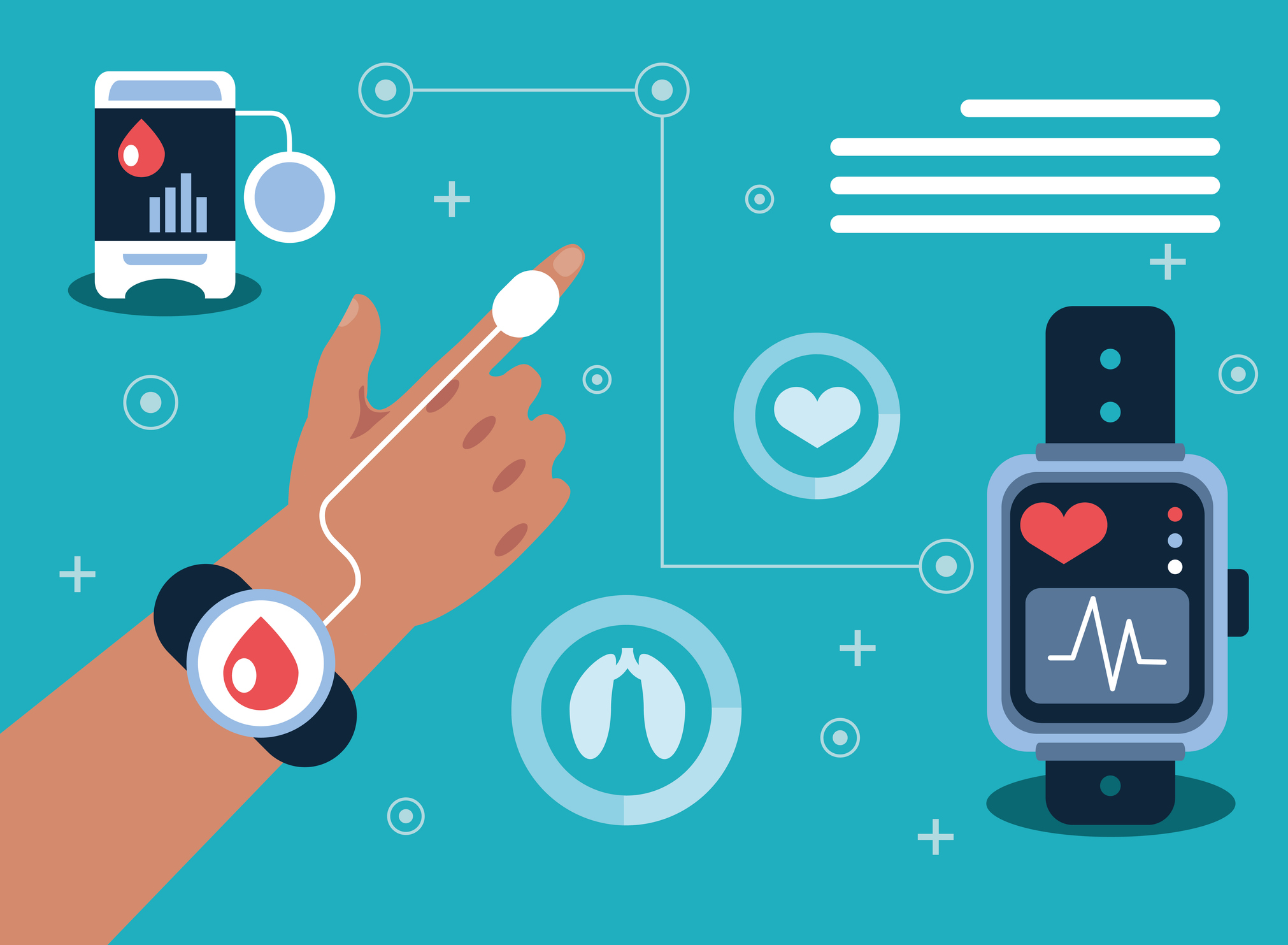
More than monitoring: What comes next for wearables in healthcare?
From fitness devices to sleep trackers, wearables are transforming how we monitor health and creating new opportunities for proactive care. Healthcare systems are facing mounting pressure from ageing populations, rising rates of chronic disease and multi-condition management. In parallel, wearable technologies have evolved significantly, offering opportunities to support more proactive models of care. Their functionality...
-

Why does healthcare innovation stop at the pilot?
Britain invents, funds and proves new healthcare technology, but almost nobody can say who decides whether it reaches a patient. Closing that gap requires more than evidence, according to industry leaders. This is what healthcare innovation looks like: a patient in intensive care with severe respiratory distress could die within 72 hours without the correct...
-
Great technology deserves great care pathways
Health systems are under growing pressure to improve outcomes amid workforce shortages, rising demand and constrained resources. New technologies, from AI-enabled diagnostics to digital platforms, offer real opportunities, but technology alone does not transform care. Lasting impact depends on whether systems are equipped to use innovation well. Too often, implementation focuses on adopting a new...
-

‘Connected’ care brings technology and compassion together
Connected medical devices and remote monitoring are changing how care is delivered, shifting the focus from treating illness after it occurs to preventing it in the first place. Wearable sensors, connected blood pressure monitors, glucose meters and smart cardiac devices now provide clinicians with a continuous picture of a person’s health rather than occasional snapshots...
-
s Sponsored
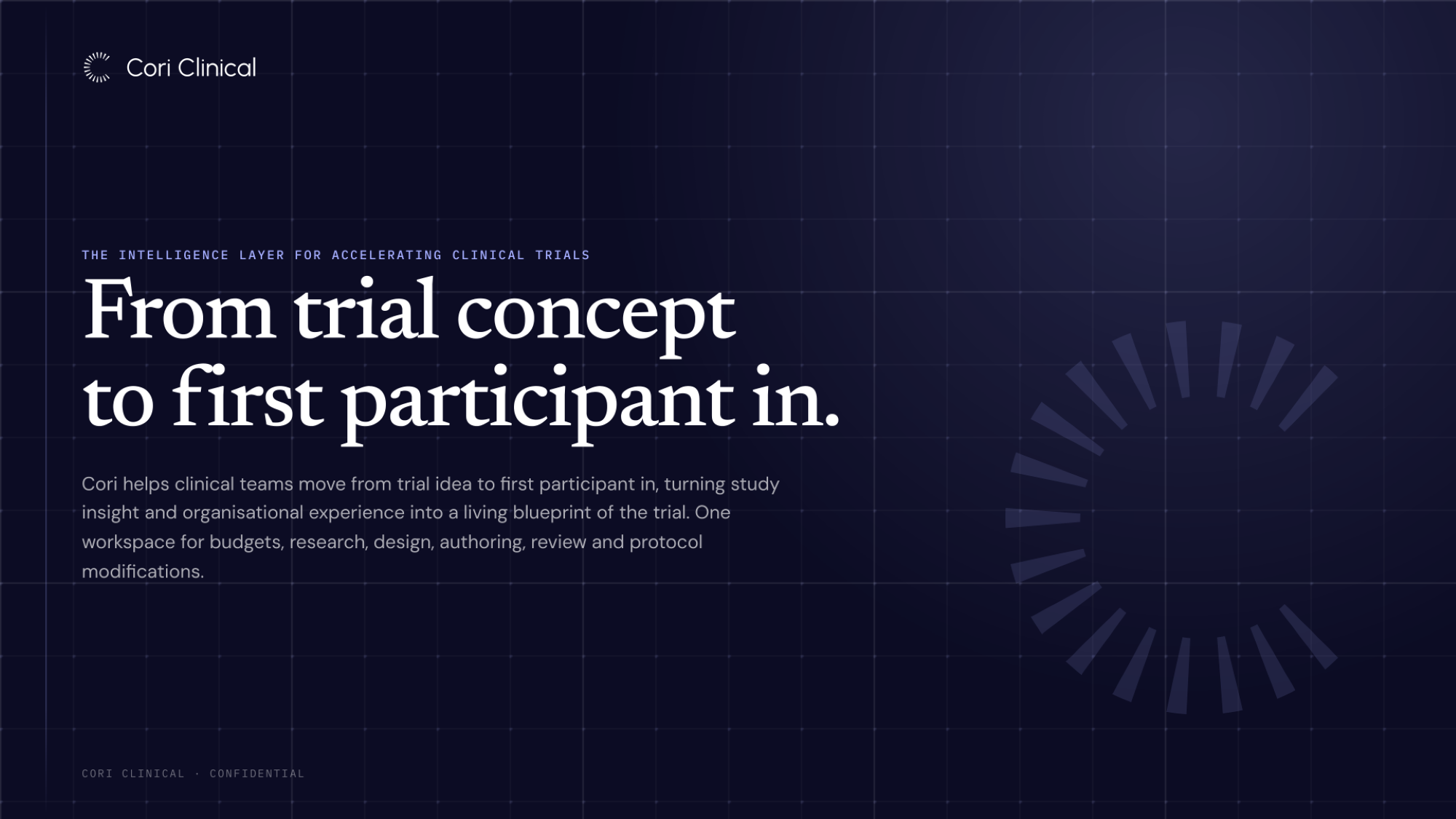
Getting new drugs to patients faster than ever
Patients could receive new drugs faster, thanks to a revolutionary new clinical trials system. Too often, trial teams repeat work their organisation has already done. Disconnected processes, siloed teams and untraced decisions add delays before new treatments reach patients. Dr Emma Ogburn has seen firsthand that it doesn’t have to be this way. She led...
-

s Sponsored
Latest innovations that have transformed employee health screening
Employee health screening can now assess risk of — and diagnose — a huge range of conditions, including cancer, cardiovascular disease and metabolic disorders. Biotech entrepreneur Professor Sir Chris Evans OBE believes that every company, large and small, should have its own employee health screening programme. It’s great for staff wellness and morale, he argues...
-

s Sponsored
Rethinking how medicines are made
When medicines are unavailable, the consequences are immediate. Treatments are delayed, healthcare systems come under pressure, and patients are left without medicines they urgently need. Shortages reflect a bigger challenge: translating scientific breakthroughs into medicines that can be manufactured reliably, affordably and at scale. Tackling medicine manufacturing challenges The NHS 10 Year Health Plan is...
-
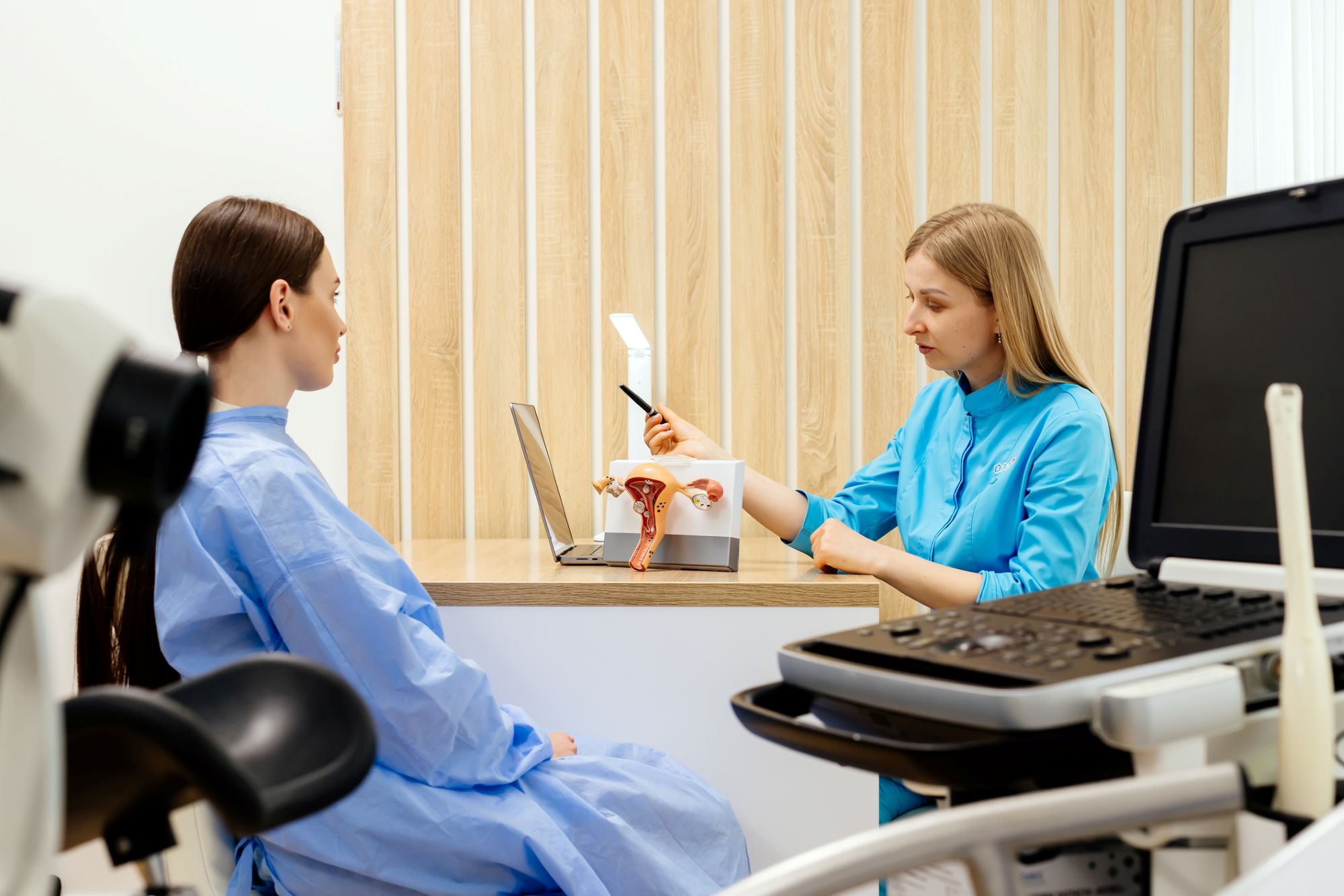
What endometriosis means for your fertility
After an endometriosis diagnosis, one of the questions I hear most often is: what does this mean for my chances of having children? While endometriosis can affect fertility, a diagnosis is not a prediction of infertility. Many women with the condition conceive naturally. For others, becoming pregnant may take longer or require fertility treatment. These...
-

More people in the UK turning to fertility treatment
In vitro fertilisation (IVF) is helping more people start and grow their families than ever, with the number of fertility patients tripling in the last three decades. The Human Fertilisation and Embryology Authority (HFEA) has been collecting data for decades and has seen the fertility sector continue to grow and evolve. With increasing patient numbers...
-

s Sponsored
Fertility doesn’t start with trying
Thinking parenthood thoughts? Supporting reproductive health can begin months, even years, before trying. Here’s how to lay the fertility foundations. Traditionally, we’ve been taught how to prevent pregnancy, rather than prepare for it. Yet, biologically, fertility doesn’t act like a switch. Nutrition, sleep, stress and lifestyle all play their part, making the months before trying...
-

Spot the pattern of PMDD
Severe symptoms before a period should not be dismissed. Tracking when they happen can help people recognise premenstrual dysphoric disorder (PMDD) and seek professional support. Premenstrual dysphoric disorder, or PMDD, is more than ‘bad PMS.’ It is a serious, cyclical condition that can disrupt work, relationships and daily life. Recognising and demonstrating the pattern is...
-

Not everyone who wants children gets the chance to have them
Roughly 2.1 children per woman is what’s plainly called the ‘replacement rate’ at which we shouldproduce children for the UK population to hold steady from births and deaths alone.1 In 1900, the UK replacement rate was 3.4. In 1964, at the peak of the baby boom in 1964, it was 2.95. In 2025, England and...