Health Awareness
Neurology 2020
-

Neuropsychiatry: bridging mind and brain
Does it make sense to separate brain and mind? How can understanding the brain help us understand and treat mental illness? Neuropsychiatry is a specialist area of medicine where psychiatry, neurology and neuroscience meet. Neuropsychiatrists focus on the uniquely complex relationship between the brain and the mind in order to better understand and treat mental...
-

s Sponsored
What you need to know about drug-resistant epilepsy
Epilepsy is a devastating disease which causes recurrent and often frequent seizures. Treatments are available, but even here there are challenges if a patient’s condition does not respond to medication. Epilepsy is a serious and debilitating neurological disease. It’s also a frightening one, because it can result in frequent seizures which can cause loss of...
-

s Sponsored
Research explains risks for dementia
New research is helping to identify why certain genes show increased likelihood of developing dementia. Alzheimer’s disease (AD) is one of many diseases collectively known as dementia. The majority (95%) of Alzheimer’s disease cases are not inherited and are known as sporadic, the biggest risk is instead increased age. However, a number of genes have...
-

How we’re going to stop MS
In the space of a year, the world has changed dramatically, but while coronavirus may have slowed down our progress, it won’t stop us stopping MS. Over 130,000 people live with multiple sclerosis (MS) in the UK. It damages nerves in your brain and makes it harder to do everyday things like walk, talk, eat...
-

I try not to think about negative scenarios with my MS
In the last year alone, more than 1,250 people under 30 have been diagnosed with multiple sclerosis (MS). It is the most common progressive neurological condition in young people today. Ayad Marhoon, 23, lives in Moortown in Leeds. He was diagnosed with MS in 2019. Although I was diagnosed with relapsing MS there’s still an...
-

s Sponsored
The disruptive and interruptive nature of epilepsy
The numbers associated with epilepsy are staggering. As one of the most common serious neurological conditions, it affects around 65 million people worldwide.1 Here in the UK, there are currently 600,000 people with a known diagnosis of epilepsy – that’s more than multiple sclerosis, motor neurone disease and Parkinson’s disease combined. An astounding 100,000 emergency...
-

Disrupt and rewire: innovating in neuroscience
Collaboration and engagement within the brain community is needed to foster investment in innovation and address the growing burden in brain disorders. The brain is undoubtedly the most important organ in the human body, as it controls all aspects of our lives. There is no health without brain health. However, the brain remains one of the most mysterious organs. The beauty...
-
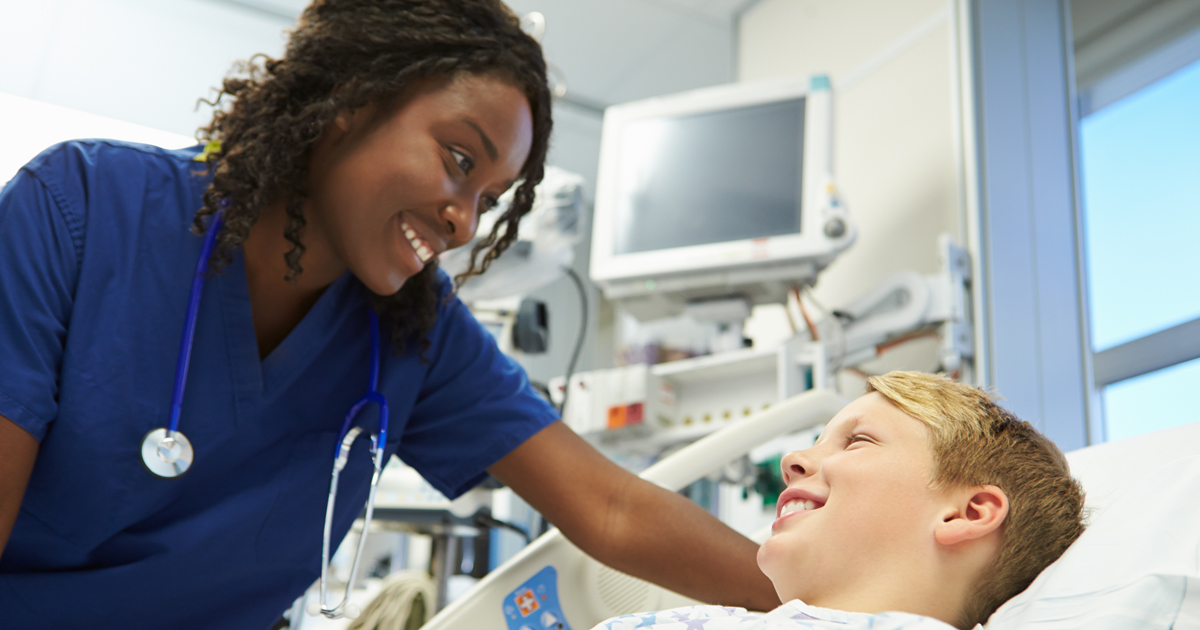
The role of nurses in supporting patients with neurological conditions
People with long-term neurological conditions can live active and fulfilling lives. However, they can experience ‘flare-ups’ or relapses and a deterioration in both physical health and mental health. The unpredictability of neurological conditions can prove very frustrating to people, and no two people will follow the same course – though many will have similar symptoms....
-

Time to make neurology our top priority
We must bring hope and solutions to people with neurological disorders, by prioritising neurological health and developing action plans to future-proof our healthcare systems. At least one in three people, of all ages, will have a neurological disorder in their lifetime. Today, these disorders are the leading cause of disability and the second leading cause...
-

We need to bring the neuroscience community together
It’s even more crucial in these testing times, with Brexit on the horizon and COVID-19 causing unprecedented, ongoing challenges to research, that the neuroscience community comes together to share advice and offer support to each another. Earlier in the pandemic, the British Neuroscience Association held a consultation with neuroscientists to ascertain the impact of COVID-19...