Health Awareness
Rare Disease Campaign 2020
-
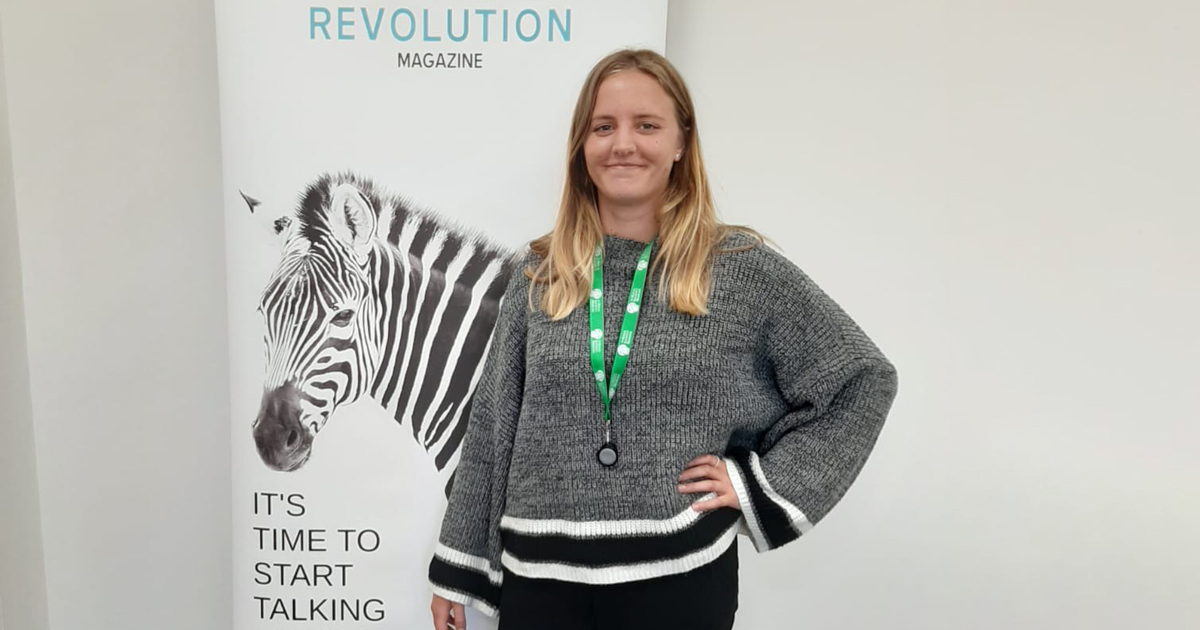
Dawn of the RARE Youth Revolution!
Filtered perception Growing up in today’s world can be challenging. The pressure from today’s society to be cool and successful is huge; and the added strain of the obligation to showcase our every success on social media can sometimes feel like there is no room for error or imperfection. Since when did anyone share a...
-

High-quality information you can trust to help doctors dealing with rare diseases
Improved access to information can lead to earlier referrals for rare disease patients, thus shortening the diagnosis odyssey. Those affected by a rare disease know how common it is to travel a long road to diagnosis. High-quality information, that is easily accessible from a single entry point, is key to facilitating earlier referrals and improving...
-

Be aware of the signs and symptoms of mastocytosis
Mastocytosis may present as a skin condition – but patients with the disease are at increased risk of anaphylaxis, while its systemic form can be serious and, in some cases, fatal. When she was 15, Emma Morgan noticed a small lesion on her leg. Initially, she was diagnosed with a skin condition, but soon began...
-

High time for fresh thinking on newborn screening
The UK lags far behind many European countries in how many conditions we test babies for at birth. At present, Italy screens for 43 conditions, the Netherlands 34, Australia 28, while the UK screens for 9, Spain 7, Ireland 6, and France 5. Early intervention is crucial. Newborn screening allows affected children to receive appropriate...
-

Rare diseases: making the unseen seen
Contrary to the isolation of lockdown, a vibrant and vital new collaboration emerged. Action for Rare Disease Empowerment (ARDEnt) is a cross-sector coalition of 30 UK-based experts involved in rare diseases. Concerned at the impact of COVID-19 on those affected by rare diseases, three leaders replaced isolation with collaboration. The ARDEnt team was assembled by...
-

s Sponsored
Call to action to improve patient care pathways in rare disease XLH
With understanding comes hope for the one in 20,000 people with X-linked hypophosphatemia (XLH) – and the next step is building and improving the health services they need to live well with their condition. Without joined up, holistic care, people living with XLH can end up “suffering in silence”. A recent survey among patient advocacy...
-

The need for diversity in clinical trials
The pandemic disrupted life – but could rare disease research be better for it? COVID-19 changed life as we know it. For rare disease patients, it opened doors. Clinical research gives scientists the opportunity to develop life-changing – and in some cases, lifesaving – medical treatments. Unfortunately, the patients who participate in clinical research are...
-

Drug repurposing is bringing hope to rare diseases
“A cheap and widely available drug can help save the lives of patients seriously ill with coronavirus.” This was the headline of a recent BBC news story that proclaimed dexamethasone as the first proven, life-saving drug in the race to treat coronavirus. In the world of rare disease treatments, ‘cheap’ and ‘widely available’ aren’t terms...
-
s Sponsored
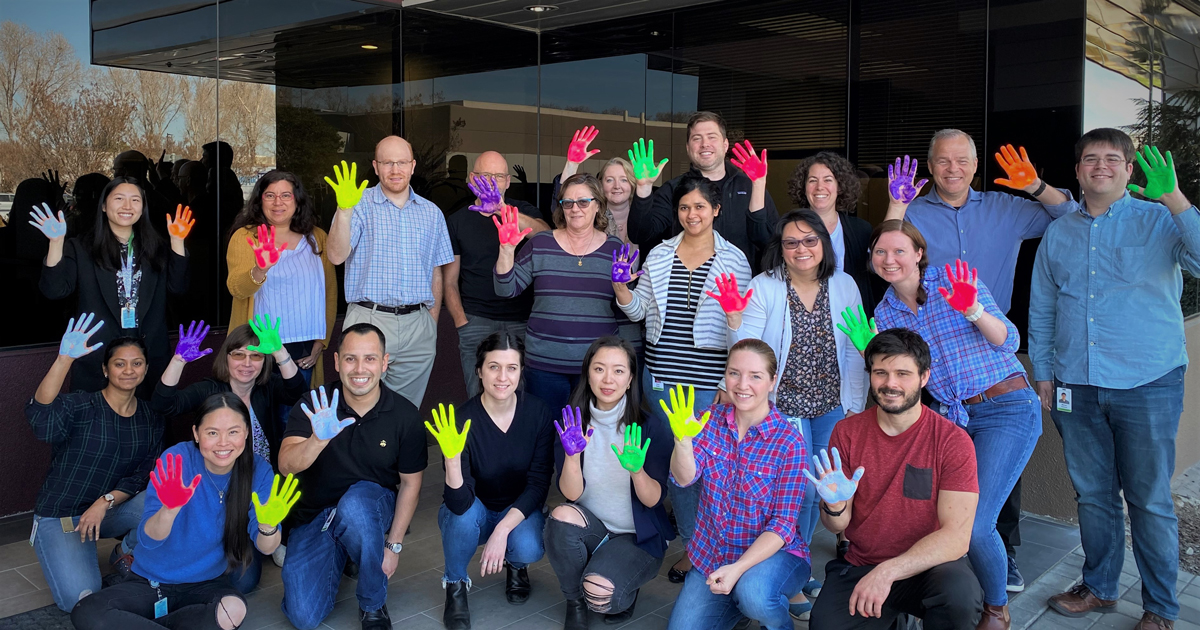
Codexis pairs up to take new treatments from discovery to market
Effective partnerships between experts in protein engineering and drug marketers will result in better treatments for rare diseases reaching patients faster. Phenylketonuria (PKU) is a genetic condition that causes intellectual disability when left untreated and treatment typically imposes a very restricted, life-long diet. New treatments stand to revolutionise outcomes for this condition as, by the...
-

Patients with X-Linked Hypophosphataemia need early and life-long multidisciplinary care
Better understanding of X-Linked Hypophosphatemia (XLH) establishes the importance of multidisciplinary treatment of patients of all ages, not just children. Until recently, X-linked hypophosphataemia (XLH), a rare and life-long phosphate-wasting disorder, has been poorly understood, with limited treatment options. Fortunately, with improved understanding and a promising new treatment, patients have the potential, regardless of age,...