Health Awareness
Rare Diseases 2020
-
s Sponsored
The role of regional grassroots communities in rare diseases
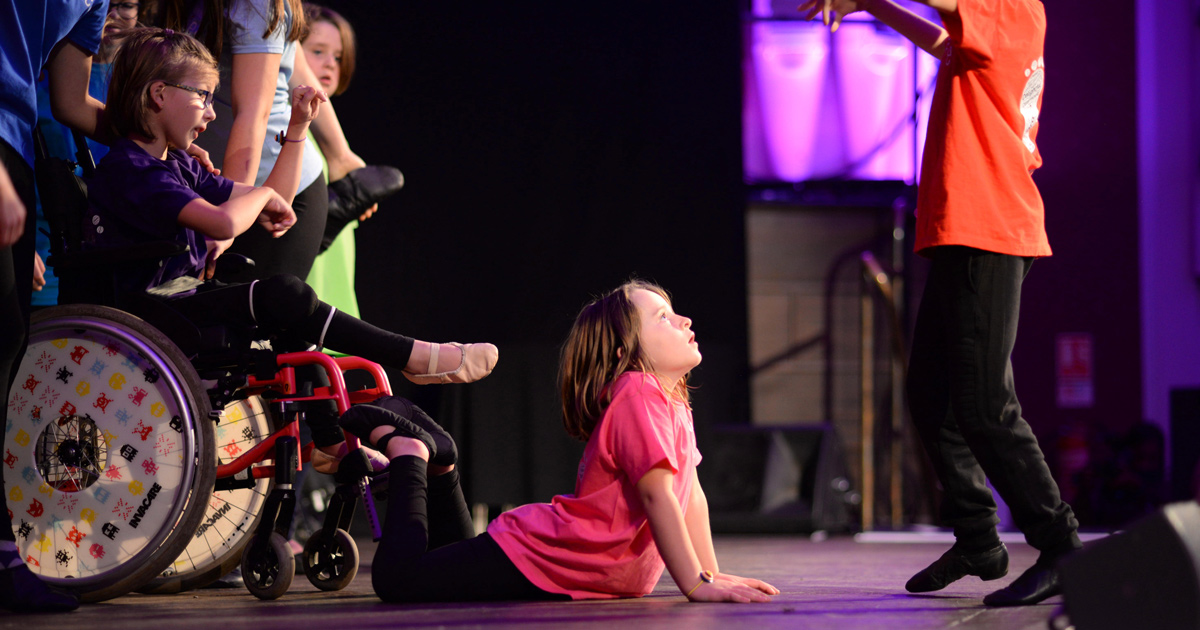
Isolation is common amongst those affected by rare disease. Disease specific and umbrella organisations provide vital services and connect isolated patients, but can regional grassroots communities play their part? The diagnostic odyssey for rare diseases is well documented, people typically waiting an average 4.8 years for answers and receiving many misdiagnoses along the way[1]. The...
-

Sharing knowledge on rare diseases is saving lives
A rare disease discussion group is bringing doctors together, to share and discuss rare and unusual cases. You can sign up and join the group to take part. Both generalists and specialists to share, discuss, and explore rare and unusual cases There are between 5,000 and 8,000 diseases classified as ‘rare diseases’. On average, it...
-

“I was just exhausted. I had no idea what was happening to me”
As a scientist and a dedicated martial artist, living in her then hometown of Exeter, Nina Meinzer was busy leading an active, healthy and fulfilling life when the diagnosis of pulmonary arterial hypertension (PAH) stopped her in her tracks. “Living in Exeter, it’s a very hilly place and just walking to work became impossible for...
-

Knowledge is power – the key to ensuring faster PAH diagnoses
Affecting just over 3,000 people in the UK, pulmonary arterial hypertension (PAH) is a rare and incurable disease that’s tough to spot. PAH symptoms are somewhat non-specific, so it can be misdiagnosed and mistreated as a result. Rare diseases pose all sorts of problems for patients and clinicians. Those charged with recognising them often lack...
-

s Sponsored
Wolfram syndrome – our journey
Wolfram syndrome (WS) is an ultra-rare condition. About 90 people in the UK are affected. Many doctors have and never will see a person with WS. How it began My daughter was diagnosed with WS at the age of 8 following 3 years of investigations. The condition seems to have started when Jennifer was about...
-

s Sponsored
The value of translational research in the field of rare disease
Translational research can turn promising science into real new treatments for those with rare diseases. It’s why we need more of it, says one expert supporting work to develop medicines. This is a hugely exciting time to be working in the area of rare diseases, says Dr Catriona Crombie, Head of the Philanthropic Fund at...
-

Non-communicable diseases: a dietary approach with fruit extracts
Non-communicable diseases such as cardiovascular diseases are major causes of worldwide mortality. Scientists comment recent findings with standardised extracts from pomegranate and olive fruits. Mediterranean fruit extracts Plant-derived ingredients, typical of a Mediterranean-style diet, contribute to its documented cardiometabolic effects, mostly through polyphenols as from olives and pomegranates. Euromed proposes patented standardised extracts from these...
-

s Sponsored
Successfully introducing a new rare disease therapy
The extensive research and development needed to produce new treatments targeting rare diseases is only half the battle. Before marketing, some unique challenges have to be navigated. Pioneering biotechnology, that is focused on antibody engineering technology, is being used to develop treatments for some of the many rare diseases lacking effective therapies. To date, this...
-

s Sponsored
Acute myeloid leukemia is not a ‘one-size-fits-all’ diagnosis
Acute myeloid leukemia (AML) is an aggressive blood cancer that can quickly become life-threatening if left untreated. It is a complex disease that is not a one-size-fits-all diagnosis. There are multiple sub-types of AML and it is important to be able to correctly identify and understand them. This insight can give patients and their healthcare...
-
Delivering cell and gene therapy – engaging patients and the public
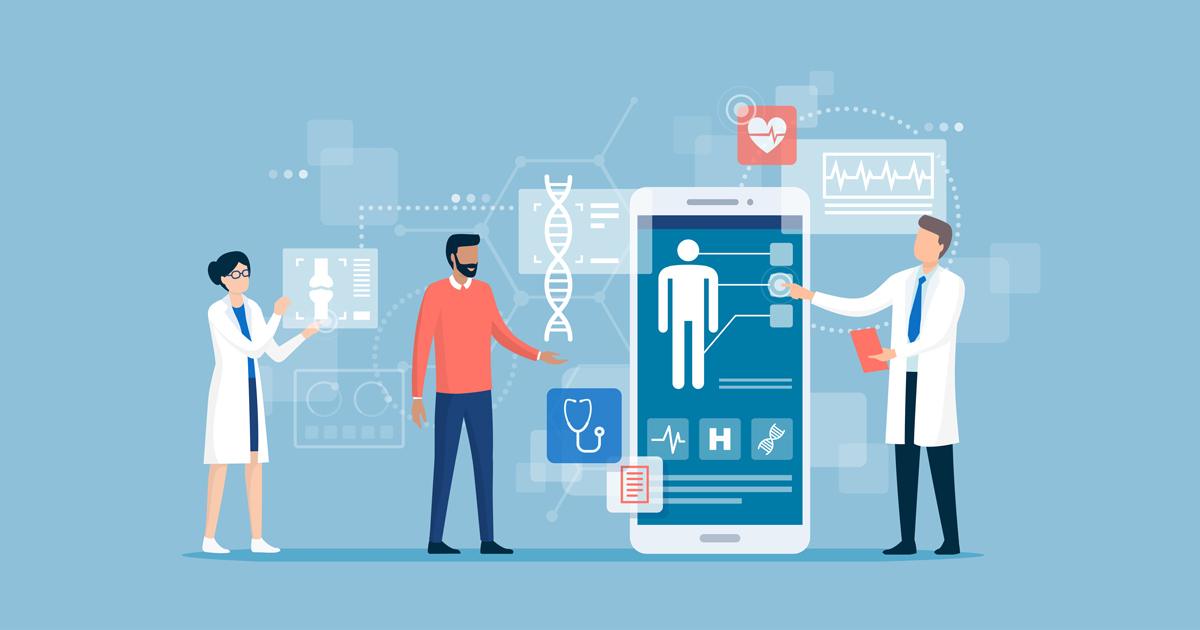
Cell and gene therapy are innovative treatment paradigms that are expected to revolutionise the treatment of patients with unmet need this decade. Cell therapy is treatment using living cells – modified versions of the patient’s own cells or modified versions of a donor’s cells. Gene therapy is treatment using human genetic material, adding to or...
-

Rare disease diagnosis is improving fast – but we need to support front line services
Not long ago, it was typical for a patient with a rare disease to find themselves bounced between clinical pillars and posts for many years before they received a diagnosis – if they ever did. Recent advances in genomics, led by the 100K Genomes project are helping to change that picture. For example, one in...
-

Understanding challenges in the rare disease treatment pipeline will lead to better patient outcomes
People with rare diseases face immense challenges when it comes to diagnosis and treatment. One in 17 people in the UK will be affected by a rare disease at some point of their lives. The UK is a world leader in several innovative therapies, and has globally leading, patient-led disease groups and research charities, expert...
-
It’s not actually that rare to have a rare disease
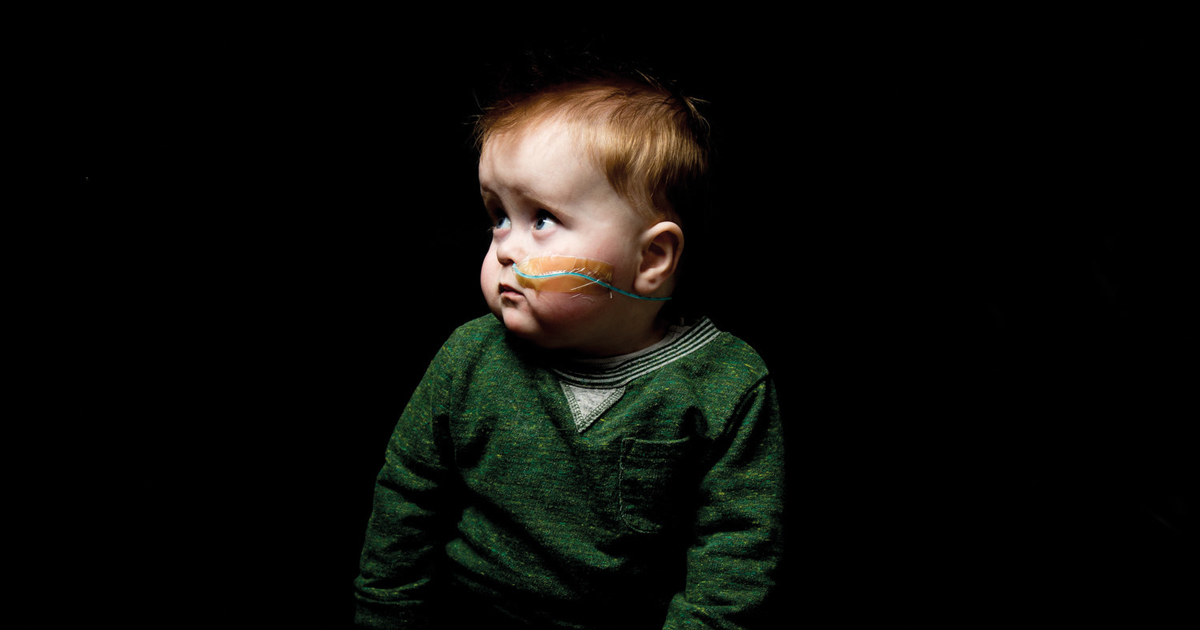
Rare diseases currently affect at least 3.5%, but maybe as much as 5.9%, of the worldwide population. That’s equivalent to around 300 million people worldwide. For the first time, the number of people living with a rare disease in the world can be estimated. According to a paper published in September 2019 by the European...
-

Clarity of approach is essential to realise opportunities for all
As we mark Rare Disease Day 2020, we stand on the brink of a golden age; at no previous point in history has research promised so much to the rare disease community. Significant technological advances mean that individuals affected by rare diseases now have hope of access to speedy diagnosis, information, support, care, research or...
-

s Sponsored
Crushed by Cushing’s but winning at life
A benign pituitary tumour triggered Cushing’s syndrome, ballooning my previously fit and healthy 12 stone body, to just under 30 stone. I was 41, fit and healthy but – at 12 stone – felt I needed to get leaner. So, I joined a slimming group, ate well and exercised five days a week with Zumba,...