Health Awareness
Rare Diseases 2025
-

s Sponsored
Connecting, cycling and changing children’s lives
Thousands of children across the UK are living with rare and devastating diseases that have no cures. Ten-year-old Digby is one of these children. Digby is living with Duchenne muscular dystrophy, a rare genetic condition causing muscles to weaken over time. Digby’s journey with Duchenne began when he was aged two and his mum, Lisa,...
-

Reality series star Andy Ryan reveals rare KTWS diagnosis
Andy Ryan of The Great British Bake Off shares his experience of living with Klippel-Trenaunay-Weber Syndrome (KTWS), a rare condition affecting around 1 in 100,000 people in the UK.1 Andy reached out to Beacon for Rare Diseases to share his journey, which highlights just how vital community is. KTWS currently has no UK-based support group,...
-
The vision for a competitive Europe that rare diseases offer
Rare diseases offer Europe a strategic edge — fuelling biotech, genomics and AI innovation. Learn how a new WHO resolution could shape future healthcare systems and competitiveness. Across Europe, rare diseases are being recognised as more than a quest for social justice. They are emerging as a strategic opportunity — a lever for scientific excellence,...
-
Diagnosing the world’s forgotten children through genomic testing
Denying children a diagnosis because of where they live is unconscionable. Genomic testing must be a global right to tackle this issue. Around the world, over 250 million people, mostly babies and children, live with undiagnosed rare genetic conditions — most of them in low-resource settings. Their suffering remains unseen, and their lives are often...
-
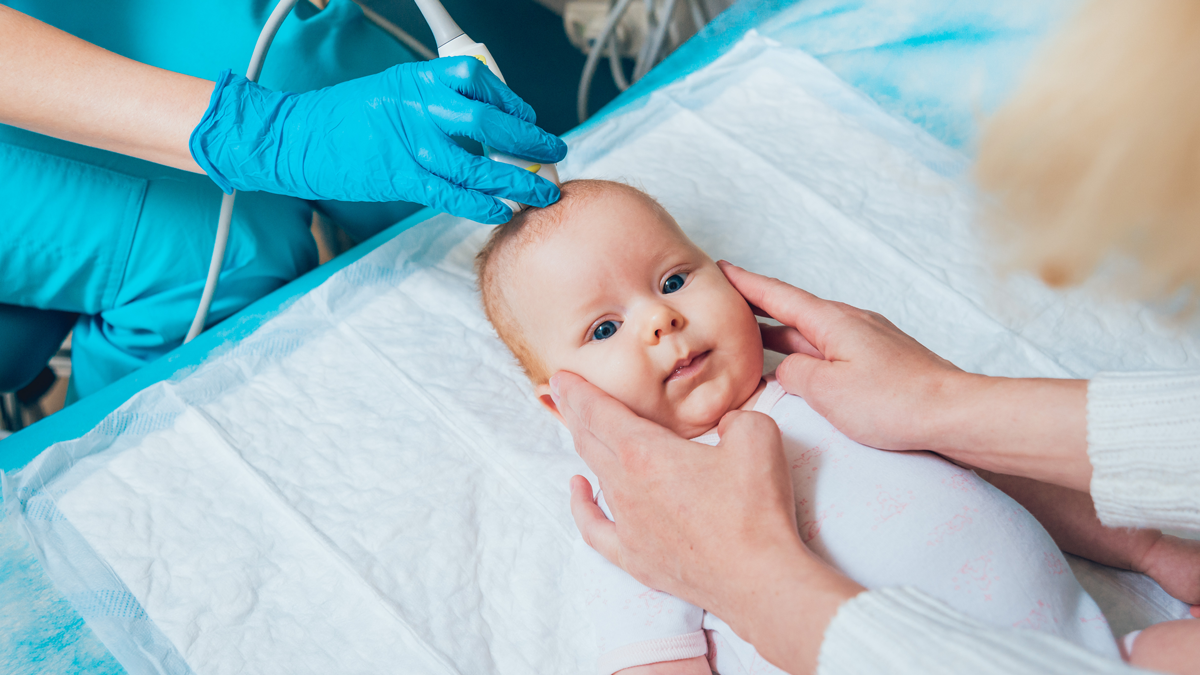
Building the evidence for genomics supporting newborn screening
A study led by Genomics England in partnership with NHS England is looking to understand whether we can improve the ability to diagnose and treat genetic conditions from birth. Following the Generation Study’s launch in 2024, we’re seeing real impact for families living with rare conditions. Earlier diagnoses and treatment The Generation Study is looking...
-

Improving equity for rare diseases through global policy
People living with rare diseases face challenges accessing diagnosis, treatment and care. A new World Health Assembly (WHA) resolution offers hope — but action must follow. “This is our reality — a constant roller coaster ride.” That’s how Ida Fransson and Mats Jansson of Sweden describe the experience of searching for answers for their two...
-

s Sponsored
AI-powered drug discovery company in phase 2 clinical trial for NF1 treatment
Drug development company utilises AI discovery engine to find treatments for rare disease, celebrating milestone phase 2 clinical trial for potential neurofibromatosis type one (NF1) treatment. Innovation is urgently needed for conditions with limited or no treatment options. A breakthrough in this space comes from Healx, a Cambridge-based biotech pioneering AI-driven drug discovery, which has...
-
s Sponsored
Protected: Joining the dots for patients living with rare primary immunodeficiencies
There is no excerpt because this is a protected post.
-

s Sponsored
Shining a light on rare cancers: the role of continuing medical education
A rare cancer is defined as one diagnosed in fewer than six out of 100,000 people annually — accounting for roughly 24% of all cancer diagnoses in Europe.1 Managing and diagnosing rare cancers presents unique challenges, often leading to delays in treatment. A global survey conducted by Medscape among 117 oncologists revealed that the biggest...
-
s Sponsored
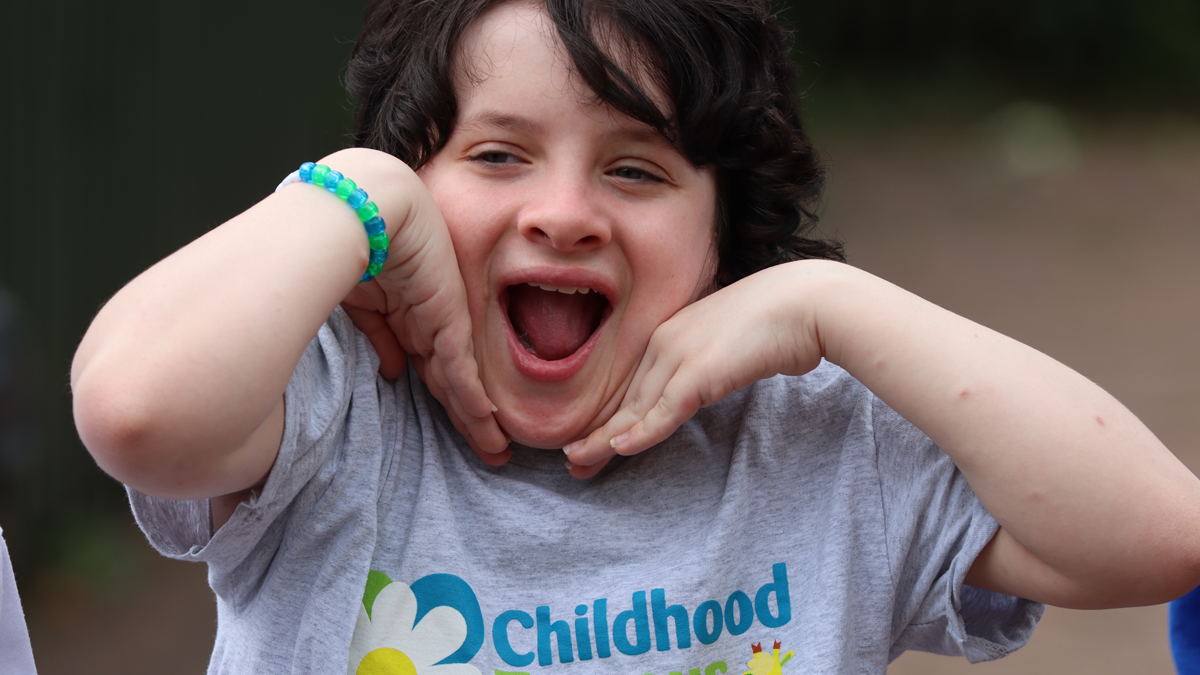
Children’s charity campaigns for awareness and education of NF1
Neurofibromatosis type 1 (NF1) is one of the most common genetic conditions. Yet, the condition remains under-diagnosed and often mismanaged, according to a children’s charity. Although classed as a rare disorder, NF1 is one of the most common genetic conditions. Despite its prevalence, approximately one in 3,000,1 NF1 remains largely under-recognised and under-diagnosed, which can...
-

s Sponsored
Integrating patient insights into rare disease research drives meaningful change
Incorporating patient voice into rare disease drug development can drive more meaningful progress, explains Cecilia Jimenez-Moreno, Associate Director at Kielo Research. Can you provide an introduction to what your research is about? Kielo Research is a boutique consultancy specialising in integrating patient voice into drug development. As a highly focused team, we apply unique methodologies...
-
Gain insights from the largest orphan drug and rare disease event globally
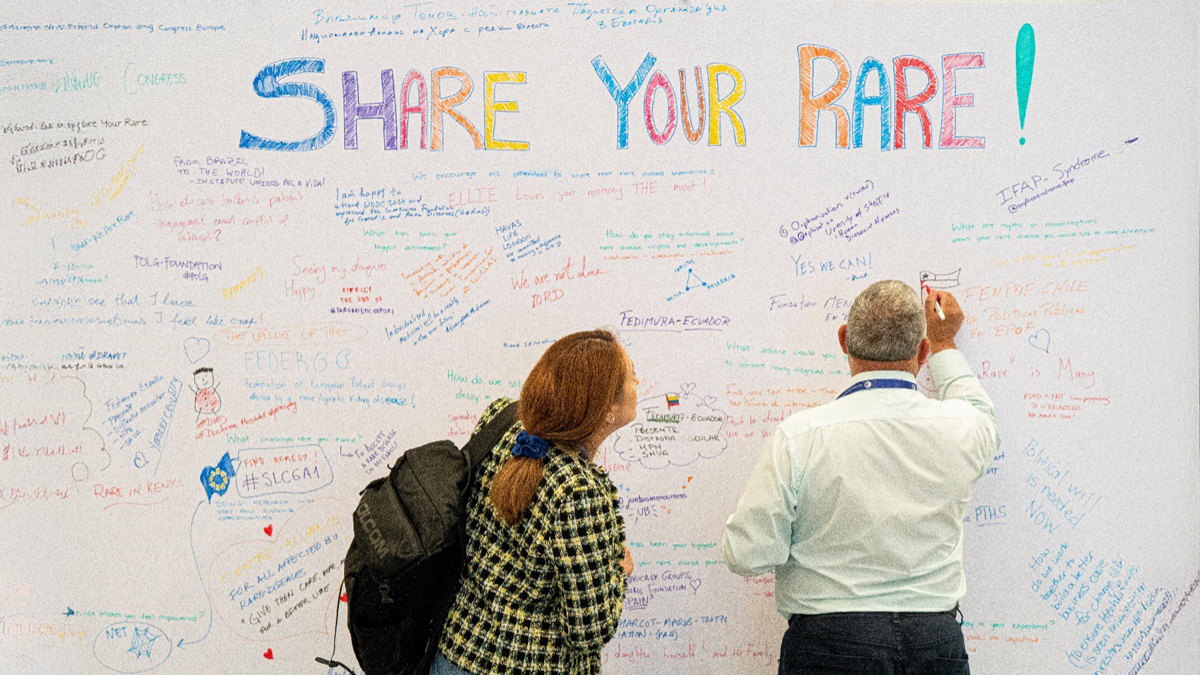
Join over 2,000 attendees, gain insights from 250+ orphan drug and rare disease industry leaders and connect with over 130 exhibitors at this event. The World Orphan Drug Congress Europe is the largest and most established event globally for orphan drugs and rare diseases. Experts and industry access The event brings together experts from across...
-

s Sponsored
A brighter future for children with cancer
Childhood cancer is a rare disease yet is the leading cause of death for UK children aged one to 14.1 More research is needed to enhance survival rates, hospital experiences and quality of life for affected children. The Great Ormond Street Hospital (GOSH) Children’s Cancer Centre is under construction, supported by a £300 million fundraising...
-

Rare diseases and health equity: shifting the paradigm through global action
Significant research and development investment in rare diseases has led to unprecedented breakthroughs in treatments and therapies. However, progress is inconsistent and unequal across the globe. Persons Living with a Rare Disease (PLWRD) worldwide continue to face significant challenges. Clinical experts on rare diseases are few and geographically dispersed. PLWRD and their families face high...
-

s Sponsored
Rare voices, bold advances: how MPN patients are helping shape medicine
New patient-centred initiatives are helping clinicians speak the same language as patients, aligning treatments with lived experiences and empowering patients on their path to better outcomes. As a physician, you know that the best care begins with understanding your patients — not just their symptoms but their unique experiences and concerns. When caring for those...
-

Opportunities to improve the lives of those with rare conditions
Learn why renewing the UK Rare Diseases Framework is crucial to improve the lives of the 3.5 million people living with a rare condition. There are around 7,000* rare conditions,1 with new conditions identified regularly through scientific progress. Individual experiences with rare conditions To mark Rare Disease Day 2025, Genetic Alliance UK published ‘More Than...
-
s Sponsored
Why patient voices can help unlock rare disease treatment breakthroughs
To make a real difference in the rare disease space, pharma companies are driving innovation via partnerships with each other — and with the patients they are aiming to help. Pharma companies working in the area of rare diseases will, by definition, only impact a smaller percentage of the population. Yet, the size of a...
-

Clinical clues pointing to rare disease
A study, published in the Orphanet Journal of Rare Diseases has identified key clinical clues or ‘red flags’ that can help doctors suspect when a patient may have an underlying rare condition.1 Findings could help form a clinical tool for healthcare professionals, such as GPs, to help them detect when a patient has an underlying...
-

More than you can imagine: rare diseases in focus
This year’s Rare Disease Day, on 28 February 2025, reminds us that rare diseases are more than you can imagine. The challenges rare diseases bring are shared: delays in diagnosis, limited treatment options and social stigma. Why rare is not so rare On average, it takes four to five years for a person to receive...