Health Awareness
Rare Diseases Q1 2021
-

Helping to navigate the rare disease journey
Sam Jones is teenager living with a rare progressive muscle-weakness condition. He lives in North Wales with his mum, Kathy (both pseudonyms). His progressive condition has a significant impact on both his and his family’s wellbeing. Many rare conditions present significant care co-ordination issues, not only in managing the many medical appointments with multiple specialists...
-

s Sponsored
Rare disease clinical trials continue, thanks to new technology
Despite the ongoing COVID-19 pandemic, clinical trials continue, including those that feature patients with rare diseases which can often be the hardest to establish. When it comes to clinical trials, an incredible amount of work has to be done behind the scenes before any patient analysis can take place. It is particularly challenging however, when...
-

s Sponsored
Think Addison’s disease – save a life
Subtle symptoms like fatigue and light headedness are non-specific but they could be clues to diagnosing Addison’s disease, a life-threatening rare disease. Undiagnosed, they go through most days almost giddy from light-headedness, sluggish, a dense fog rolling over mind and muscle. Despite an all year round tan, they feel anything but healthy. Reaching for another...
-

Delivering hope and options for people with rare diseases in 2021
Last year was extraordinarily difficult for people with rare and complex health conditions. In 2021, it is vital these patients receive the care they need and deserve. The COVID-19 pandemic has been extraordinarily difficult for people with rare diseases and their loved ones. Many have had to shield for almost a whole year, often without...
-

A ticking time bomb? The rare liver cancer on the rise in younger people
Cholangiocarcinoma (CCA), or bile duct cancer, is a liver cancer occurring within the biliary system. It is the world’s second most common primary liver cancer. The number of CCA cases per year, and annual death rates, are rising globally. AMMF’s data study, presented at the EASL 2020 Congress (European Association for the Study of the...
-

A better future for rare diseases
The Rare 2030 Foresight Study has set the direction for a future based on needs-led innovation and collective responsibility. I write as one of many, but in society I am one of few. I am rare. I live with Osteogenesis Imperfecta, a rare disease that means my collagen has the wrong recipe. This makes my...
-

s Sponsored
Addressing uncertainty in rare disease therapies
Seeking to approve rare disease treatments as quickly as possible means making decisions based on limited data, with innovative methods used to reduce uncertainty. There are ~7,000 rare diseases but fewer than 5% have an effective treatment.1,2 This means the vast majority of patients and families find themselves without a treatment option. Therefore, when potential...
-

The importance of telehealth for rare diseases
Healthcare must realise all of the opportunities of telehealth – especially for rare diseases, where it can help patients and the barriers they often face. Before the pandemic changed life as we know it, telehealth made up a miniscule portion of total healthcare visits across the U.S. (less than 0.01%). By mid-April of 2020, that...
-
Fixing the arduous path to approval for rare disease medicines
There are many new treatments for rare diseases in the pipeline, which could transform people’s lives and potentially provide cures. Now health systems across the UK need to get better (and quicker) at making these available to patients. In January, the four UK Governments published the Rare Disease Framework with four important priorities: help patients get...
-

Rare disease patient groups provide hope to isolated communities
Rare disease patient groups act as a focal point for a rare condition. They create a community through shared experience to break the isolation of rarity. After 2020, we all understand how isolation takes a huge toll on your mental health. The isolation a rare diagnosis imposes comes from the sense that nobody shares your...
-

Making rare diseases a human rights priority
The global rare disease community urges UN Member States for a UN Resolution to recognise rare diseases as an international policy priority and promote measures to protect the human rights of all people, including those of PLWRD. Over 300 million people worldwide live with one of the 6,000-8,000 identified rare diseases. Rare diseases are often chronic,...
-

s Sponsored
The GP that diagnosed her own rare tumour against the odds
Cushing’s disease is caused by a tumour that grows on the pituitary gland and leads to the production of excess cortisol, the stress hormone. As a GP, Dr Kate Scoffings remembers being taught the signs of Cushing’s in medical school, a rare disease that she might see only once or twice in her career. But...
-
s Sponsored
The gene therapy journey for rare diseases
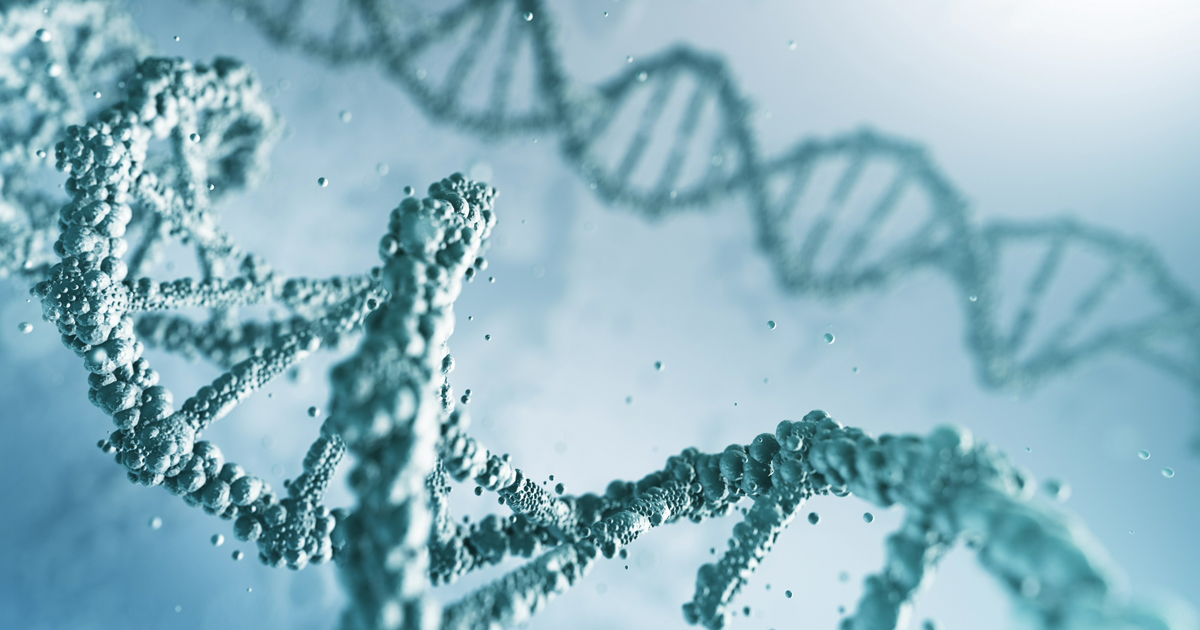
Rare diseases (RD) impact an estimated 300 million people worldwide with 30 million of those in Europe.1New advances in gene therapy offer us a chance to treat rare diseases in a different way. There are approximately 7,000 different rare diseases of which 4,100 are monogenic diseases.2 Monogenic diseases arise from a single gene mutation. Historically,...
-

s Sponsored
Why we must improve rare disease patient care
People with a rare disease often go on a diagnostic odyssey – a long and challenging journey involving repeated referrals alongside multiple unnecessary tests and misdiagnoses. A new survey highlights key areas that need to be improved for patients. Rare diseases collectively affect around 3.5 million people in the UK and the impact they have...
-
s Sponsored
Collaboration: the key to finding rare disease treatments
True medical breakthroughs happen when researchers see challenges through the eyes of those living with a particular condition and when industry, patient groups and academic institutions work hand-in-hand. In drug discovery, novel technologies such as artificial intelligence (AI) and machine learning (ML) offer new and exciting ways to dramatically speed up the process, but collaboration...
-

Equal access to care and life chances are not a ‘nice to have’
The idea of equity has many dimensions for people living with rare conditions. We have long recognised the challenges facing ethnic minorities to access an equal to NHS care. A 2013 study saw that members of minority ethnic groups were less likely to access cancer genetic services for a wide range of potential reasons. Reasons...
-
Collaboration is crucial now and after COVID-19
During the pandemic, people affected by genetic, rare and undiagnosed conditions have been living under immense pressure. Across Europe, specialist care has been disrupted for nine out of 10 rare disease patients. Barriers to critical services such as health and social care, home care, education and respite have had profoundly negative impacts. Shielding and self-isolation...