Health Awareness
Rare Diseases Q1 2022
-

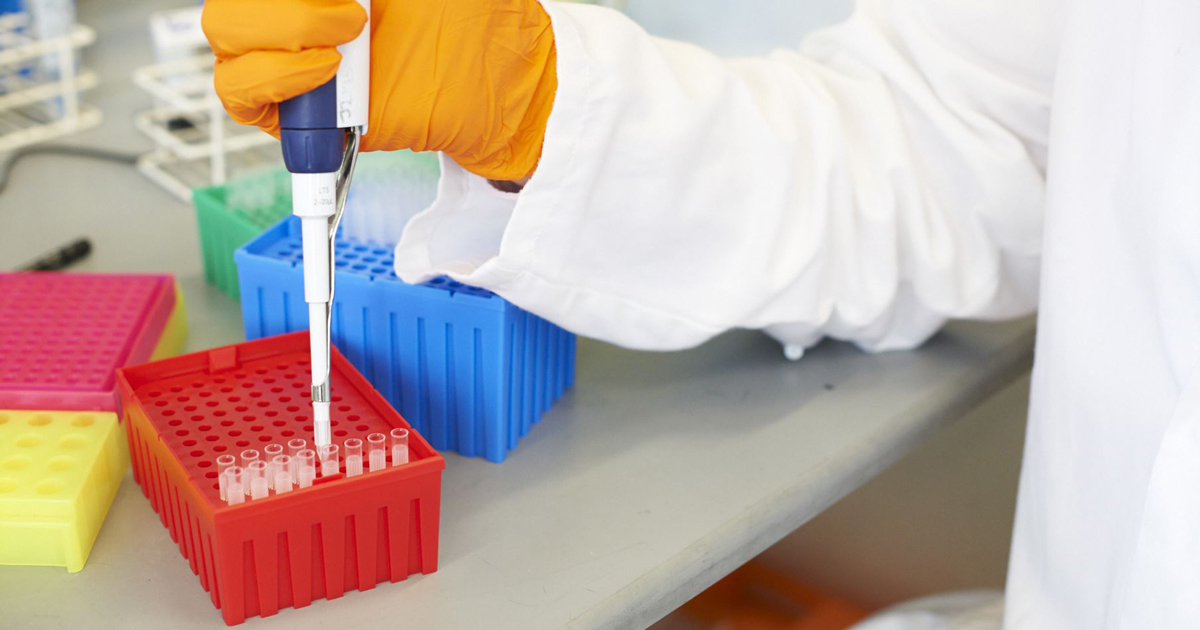
Innovative medicines can bring hope to patients living with rare conditions
A better system needs to be in place to get innovative new medicines for rare disease patients quickly. The science behind bringing new transformative medicines to patients is a challenge. It is a real source of frustration that patients with some of the world’s rarest conditions have no satisfactory treatment. Our industry works every day...
-
s Sponsored
How a collaborative approach will help tackle rare diseases
We have come so far in rare disease research and treatment, but there is still so much more to do. Only by working collaboratively can we transform the lives of children living with rare diseases. From its beginnings as a townhouse with two physicians in 1852 to today’s life-saving advances in gene therapy, Great Ormond...
-

s Sponsored
New medicine has potential to improve symptoms of fragile X syndrome
A potential new medicine to treat fragile X syndrome, a genetic condition that often leads to behavioural and learning challenges. Fragile X syndrome is the most common inherited cause of autism and intellectual disability. It is caused when the FMR1 gene stops making a protein important for brain development. This change leads to marked effects...
-
s Sponsored
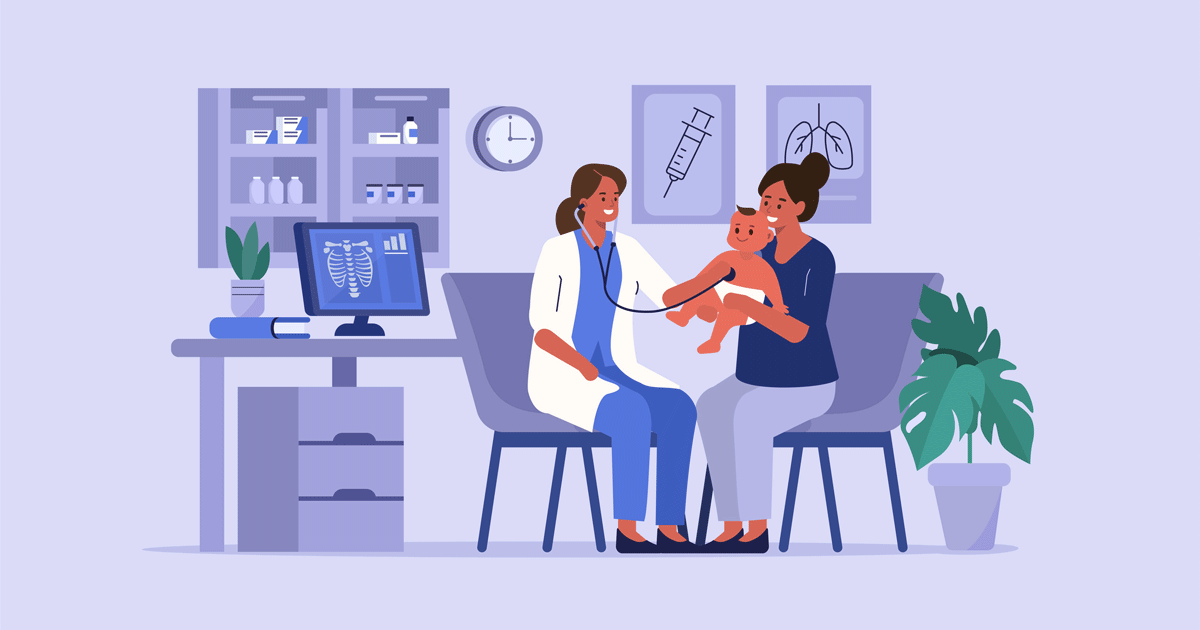
Rare disease education is key to enabling medics to achieve the best for their patients
Sponsored by: The rare disease revolution may have arrived, but medical education is still playing catch up. In an ideal world, a patient with a rare disease would have a timely diagnosis, mental health support, care in a specialist centre, excellent communication from their local hospital and GP, and receive support from a patient advocacy...
-

Delivering a good diagnosis for people with rare conditions
Beyond investment in screening and diagnostic services, raising the profile of rare conditions among healthcare professionals is integral to helping people with rare conditions receive a faster diagnosis. On average, it takes four years for someone to be diagnosed with a rare condition. The diagnosis journey can be challenging, often having a profound impact on a...
-

s Sponsored
Easing the trauma for families affected by painful sickle cell disease
It was the traumatic experience Hayley King faced when she took her young daughter to hospital with her first major sickle cell crisis that prompted her to take action. Cianna was diagnosed with the genetic condition when she was three days old but had her first major ‘crisis’, the excruciating pain that comes with the...
-
s Sponsored
Shining a light on those living with sickle cell disease
Charity groups and campaigners are raising awareness of sickle cell disease as those living with the most common genetic condition in the UK continue to face barriers to healthcare access. Sickle cell disease (SCD) is the most common genetic condition in the UK but people living with SCD still face barriers accessing care and treatment....
-

One in 10 people are affected by rare diseases; why is it not a healthcare priority?
Rare Disease Day provides an opportune moment to take stock of where we are and where we are heading in our quest toward eliminating the burdens of rare diseases. Rare diseases represent one of the most complex, vexing and important global health challenges we face. More than 400 million people worldwide are affected by over...
-

Support groups go beyond borders to connect rare disease patients
Banding together with those who share a similar life experience allows us to receive the help needed in challenging situations. But what do you do when your life is an ultra-rare one? Finding others who are affected by your condition around the world is a way to widen your support network and identify common challenges...
-
s Sponsored
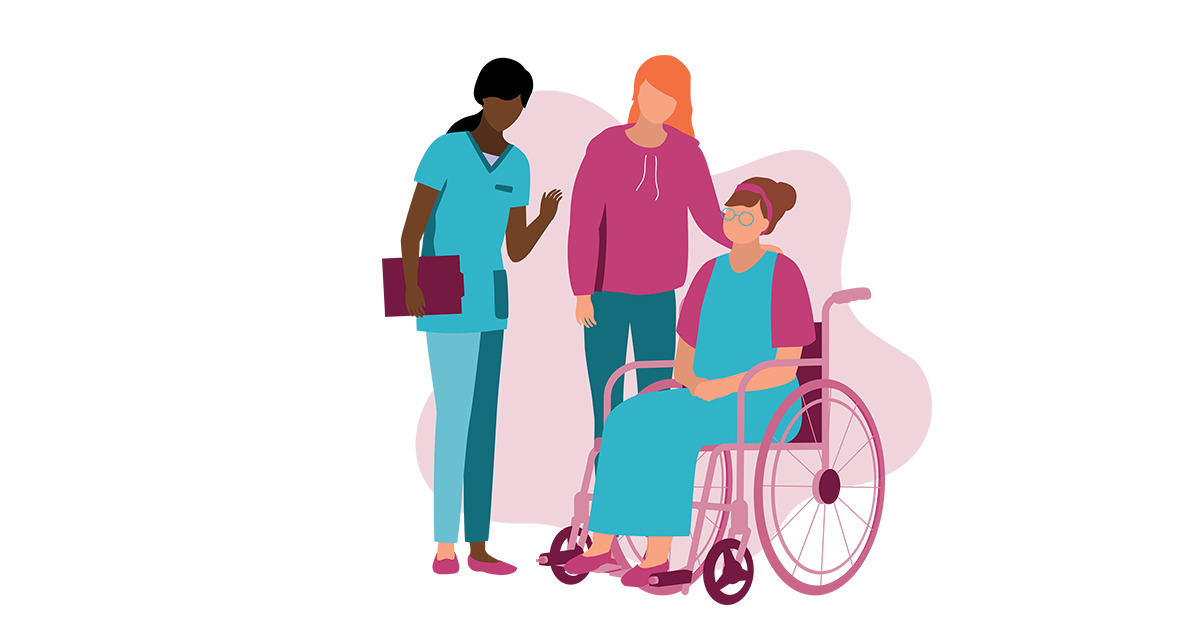
Highlighting disparity in rare disease journey and care
One in two patients living with a rare disease believe the quality of their care has not improved in the past five years and 41% have waited more than five years for an accurate diagnosis.1 Creating more awareness of the journey that patients living with rare conditions encounter, highlight the current realities of care. The...
-

The power of rare: share your colours on Rare Disease Day
On 28 February, over 100 countries and regions around the world join their voices to raise awareness and generate change for the 300 million people with rare diseases, their families and carers. The rare disease patient community remains a marginalised and largely invisible population, with little information about their diseases and rights, few treatments available...
-

Why utilising remote healthcare in 2022 will benefit patients
Remote healthcare has an exciting place in the future of rare disease care. But first, we must listen to patients and learn from their experiences during the pandemic. Over the past two years, in an effort to reduce transmission of COVID-19, many parts of the NHS pivoted to deliver services remotely. Phone triage, helplines, appointments...
-

Adoption of UN resolution is huge triumph for rare disease community
A ground-breaking resolution from the United Nations finally gives visibility to 300 million persons living with a rare disease (PLWRD) and their loved ones worldwide. To mark Rare Disease Day, the global community celebrates the adoption of the first-ever UN resolution on “Addressing the Challenges of Persons Living with a Rare Disease and their Families.”...