Health Awareness
Rare Diseases Q3 2024
-

s Sponsored
Simplifying development of next-generation rare disease therapies
Rare diseases are individually rare but collectively common. About 80% of rare diseases are genetic and hard to treat. Rare diseases are hard to treat due to the human genome’s complexity. This complexity results in the development of diverse, disease-causing mutations. Consequently, traditional approaches to drug development have become expensive and ineffective. Exploiting new genomics...
-

s Sponsored
Equality in rare: building a better future for people with rare diseases
We all deserve an equal opportunity to live a full life. Yet, people living with rare diseases en-counter significant health inequalities including years of delayed diagnosis, misunderstanding of symptoms and limited access to treatments. The new Labour Government has said it will focus on tackling health inequalities and factors driving variation in access to NHS...
-

s Sponsored
Fighting for healthcare equity: rare disease medications in emerging markets
Despite ongoing advancements in medicine, many rare diseases remain under-researched and underserved, particularly in emerging markets where access to effective treatment options is not only challenging but often impossible. A global pharmaceutical company is partnering with innovative life-science companies to commercialise rare disease medicines in these challenging regions. Improving access to essential medicine Masters Speciality...
-

s Sponsored
How light has become a constant threat to patients with a painful rare disease
Light is a source of agonising pain for patients with a rare condition called erythropoietic protoporphyria. As a result, they have been forced to cover up and live sheltered lives. Imagine experiencing extreme, searing pain every time you are exposed to light — sunlight or, in some cases, fluorescent or LED. It would be agony...
-

Momentum grows towards a WHA Resolution on rare diseases
A World Health Assembly (WHA) Resolution on rare diseases is crucial to make rare diseases a global health priority and improve the lives of the 300 million persons living with a rare disease worldwide. Today, thanks to the mobilisation of this community of patients, families, researchers and clinicians, science is advancing, healthcare is improving; and...
-

s Sponsored
Sharing the health decision lightens your load
Learn how physician and patient collaboration can ensure more positive healthcare outcomes. Imagine having something as trivial as a haircut without agreeing what you want. Many of us jointly decide the outcome with our hairdresser and provide feedback as the cut progresses. This form of shared decision making (SDM) happens in many aspects of our...
-

s Sponsored
Connect with others and share your authentic rare disease patient story
The rare disease community is vast and diverse, encompassing around 300 million people globally. Taken as a whole, rare disease is not as rare as it seems at first glance. Regardless of the numbers, one defining quality of the rare disease community is that it is full of fierce advocates who stick together to lead...
-

How the UK can address sickle cell disease care inequalities and funding shortages
September marks Sickle Cell Awareness Month, a critical time to reflect on the challenges faced by those living with sickle cell disease (SCD), a rare but devastating condition that predominantly affects Black communities. Despite being classified as a rare disease, SCD is relatively common within Black Afro-Caribbean populations, with approximately 15,000 people affected in the...
-

s Sponsored
European legislation must be revised to boost innovation in rare disease
This article has been developed and funded by Chiesi Group Rare Diseases. Inflation and rising public debt are creating barriers for the rare disease community to access the latest therapies. Public healthcare budgets are being reduced, making access to new treatments difficult while stricter evidence requirements further limit availability across Europe. The lack of treatment...
-

s Sponsored
Ways to champion people-powered communications in rare diseases
With over 6,000 unique rare diseases1 and limited patient populations, evidence to guide effective care is scarce. How can we create meaningful communications for people living with rare conditions and the wider community? Rare diseases pose unique challenges for traditional communication. Real-world insights, global collaboration and personalised engagement can help address these issues. Listen to...
-

s Sponsored
How women are revolutionising rare disease
Women have played a crucial role in rare disease awareness and better care, overcoming gender biases and systemic challenges to drive progress in this often-overlooked field. Historically, women have been marginalised with their needs often being unmet as compared with men — a situation mirrored to a greater degree in the rare disease sector as...
-

s Sponsored
How to prove orphan drug cost-effectiveness and safety to secure market access
Pharmaceutical market access — getting a drug paid for (or ‘reimbursed’) by a country’s healthcare system so it can be used by clinicians — is a complex process, especially in rare diseases. Securing market access requires showing a drug to be safe, efficacious and cost-effective when compared to existing drugs for the disease in question....
-

s Sponsored
Navigating rare liver diseases: how informed patients can drive better care
This article has been commissioned by Ipsen. Ipsen also provided editorial content for this article. ALLSC-UK-001476September 2024 Patient empowerment, which ensures people have access to information and the ability to participate in making decisions about their care, is critical given the challenges and debilitating symptoms that can be caused by rare liver diseases. People living...
-

Free genomic sequencing offers hope for children living with a rare disease
There are 350 million undiagnosed children worldwide, with most lacking access to genomic testing for proper diagnosis and care options. In a world where medical advancements often seem reserved for the fortunate few, iHope Genetic Health (iGH) is striving to change the narrative for children living with rare diseases. Call for equitable genetic testing in...
-

Cutting the rare disease diagnostic odyssey and customising treatments
Rare conditions are individually rare, but they are collectively common. This makes overcoming barriers to diagnosis and effective treatment especially vital. Three and a half million people in the UK live with a rare condition. Many face a long and difficult diagnosis journey, with less than 10% of conditions having a treatment. This presents two...
-
A closer look at newborn screening disparities and needs across Europe
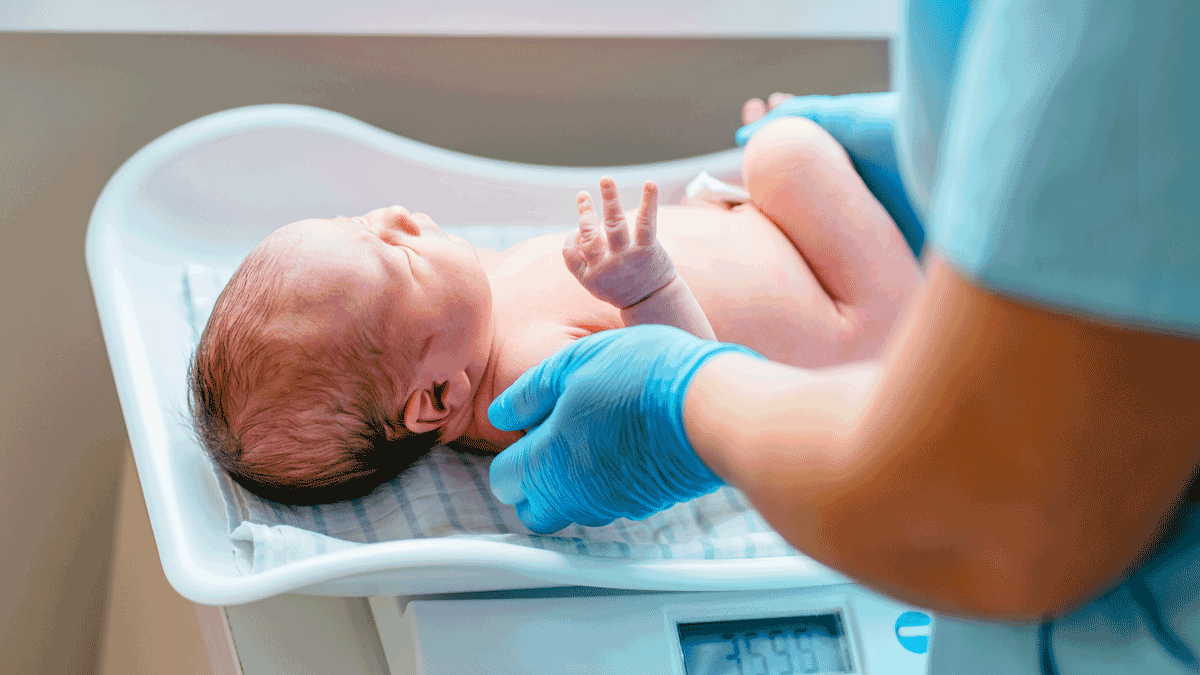
Explore disparities in newborn screening across Europe and discover why expanded screening for rare diseases is essential for healthier futures and social equity. In Europe, significant disparities exist in newborn screening programmes. For example, Italy screens for over 45 diseases, exceeding the efforts of other countries. In contrast, England’s National Health Service screens for only...
-

Uncommon multiple sclerosis journey and the valuable impact of patient groups
I was diagnosed with multiple sclerosis (MS) at 26. I’ve come to see patient groups as David in the bible story ‘David and Goliath.’ Who recalls growing up playing ‘Spot The Difference’? You are given four images and told to locate the one that wasn’t like the rest — the one that didn’t belong. What...
-

Driving change for the rare disease community through research
Discover how UK charities and research drive progress in rare disease diagnosis and treatment. Learn about key investments and plans in the latest report. It can take over five years to get a proper diagnosis for rare diseases in the UK. Only 5% of these diseases have approved treatments, and the UK lags behind other...