

Biresh Roy
CEO, AH Consumer Healthcare Ltd. (FlexiSEQ)
Osteoarthritis causes severe joint pain and restricts movement, but certain treatments and lifestyle changes can target the underlying causes and get you moving again.
Biresh Roy, CEO at AH Consumer Healthcare, which markets FlexiSEQ gel, outlines the causes of joint pain and osteoarthritis – and how sufferers can find both pain relief and improved joint mobility.
What is osteoarthritis?
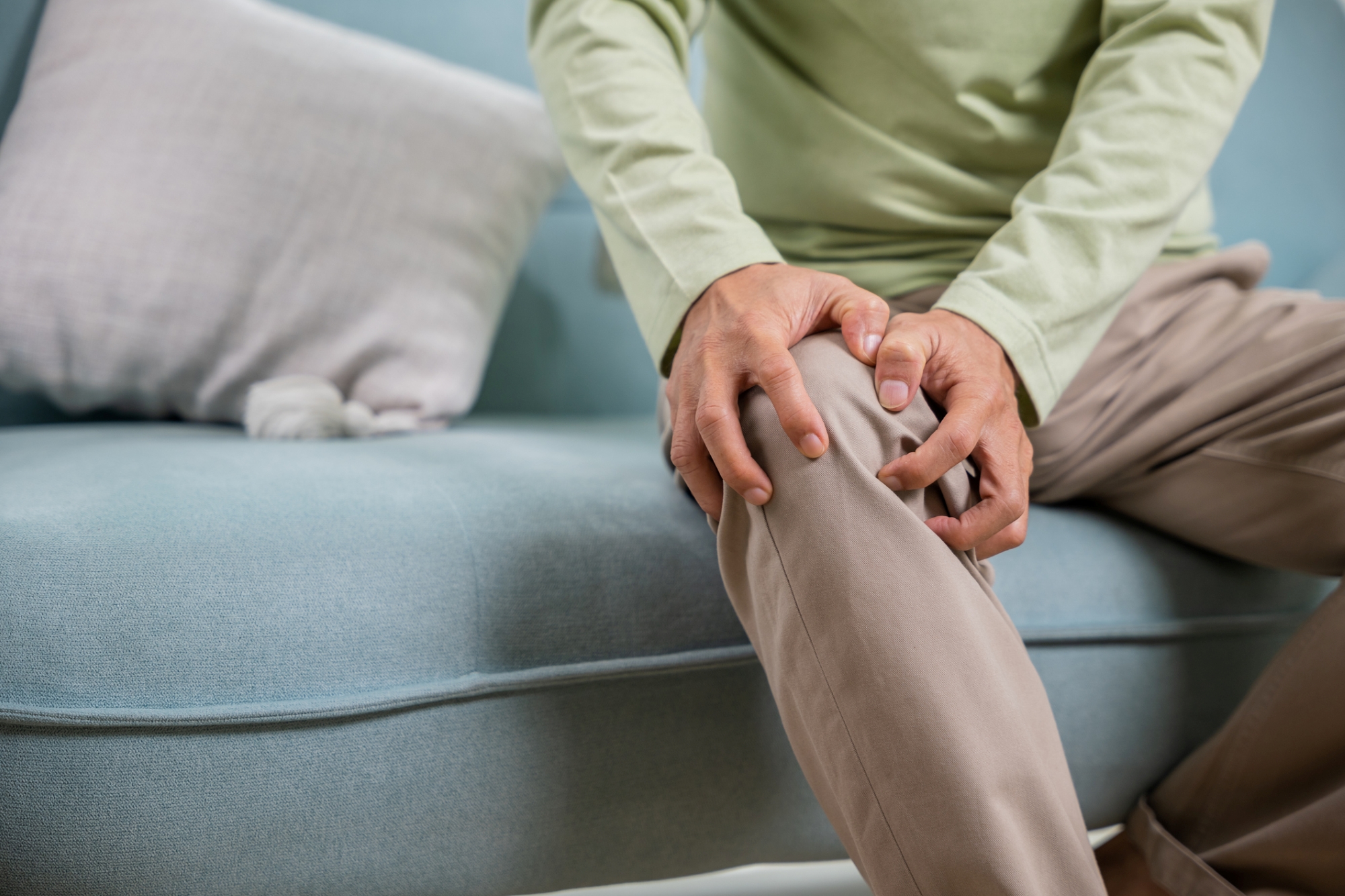
Osteoarthritis is a chronic condition that causes joints to become inflamed, painful and stiff — most commonly the knees, hips, shoulders and small joints in the hands. It’s chronic in that it is always present, and is mainly associated with ageing, affecting people aged 55 onwards. But it can affect younger people regularly taking joint impact exercise like running. It’s also linked to obesity and joint trauma.
What causes it?
Inside a healthy joint, moving bone surfaces are covered by cartilage bathed in synovial fluid containing lubricating molecules to reduce friction from rubbing together during movement. However, with osteoarthritis, the cartilage wears thin over time, and sometimes altogether — while the levels of lubricating molecules become depleted. In such cases, friction from joint movement causes inflammation, pain, even when resting, and joint stiffness, leading to reduced mobility.
Because of their formulations, they’re able to lubricate the joint so that it moves more freely, causing less friction and less pain
How does this affect everyday life?
As the condition progresses, symptoms become more severe and debilitating. The resulting pain and reduced mobility can affect a person’s quality of life and independence — and their emotional wellbeing by affecting sleep, inducing mood swings, irritability and depression.
What’s the treatment for it?
Unfortunately, there’s no cure because joint deterioration by its nature is progressive. Drugs are often used to manage pain but only provide temporary relief. What’s needed is a treatment that targets the underlying causes as well as symptoms. The FlexiSEQ range comprises two drug free gels designed to do just that. Because of their formulations, they’re able to lubricate the joint so that it moves more freely, causing less friction and less pain. We recommend these be used as part of an overall therapy to keep people active, together with lifestyle changes. Join our extensive user community on our website to read about and share experiences.
What lifestyle changes can help?
Regular non-high-impact exercise such as walking, cycling, swimming, gardening and even daily house chores keeps joints moving, burns calories and strengthens joint muscles. Make sure your diet is rich in omega-3 fatty acids, like salmon. Take ginger and turmeric, which have naturally anti inflammatory properties. And eat superfoods such as broccoli, which contain calcium, vitamins C and K and sulforaphane, which can slow down joint deterioration.