Health Awareness
Juliet Bouverie OBE
CEO Stroke Association
Every day in the UK, around 240 people have a stroke.1 It’s the country’s fourth biggest killer, and a leading cause of adult disability.2
Brain damage, caused by a stroke, can fundamentally change how the body works as well as how a person thinks and feels. The impact a stroke has depends on where it happens in the brain and how extensive the damage is.
Preventing a stroke
Strokes can and do happen to people of all ages, although the greatest rise in the past 20 years has been in people in their 50s.3 This is partly due to more people having high blood pressure, a poor diet and/or not moving and exercising enough.
The faster the treatment, the better the chance the has of minimising damage to the brain and getting back speech, movement, and other abilities
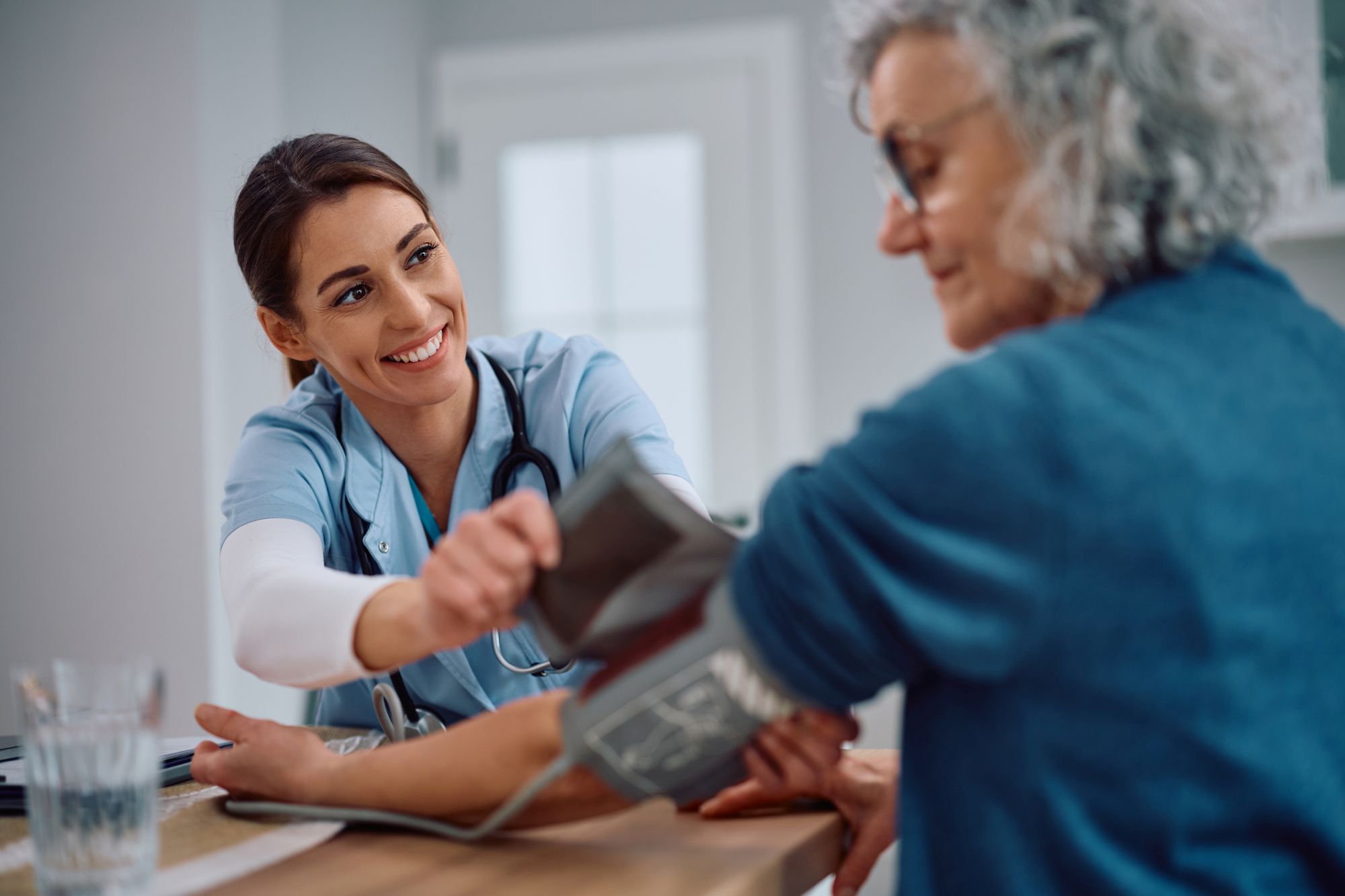
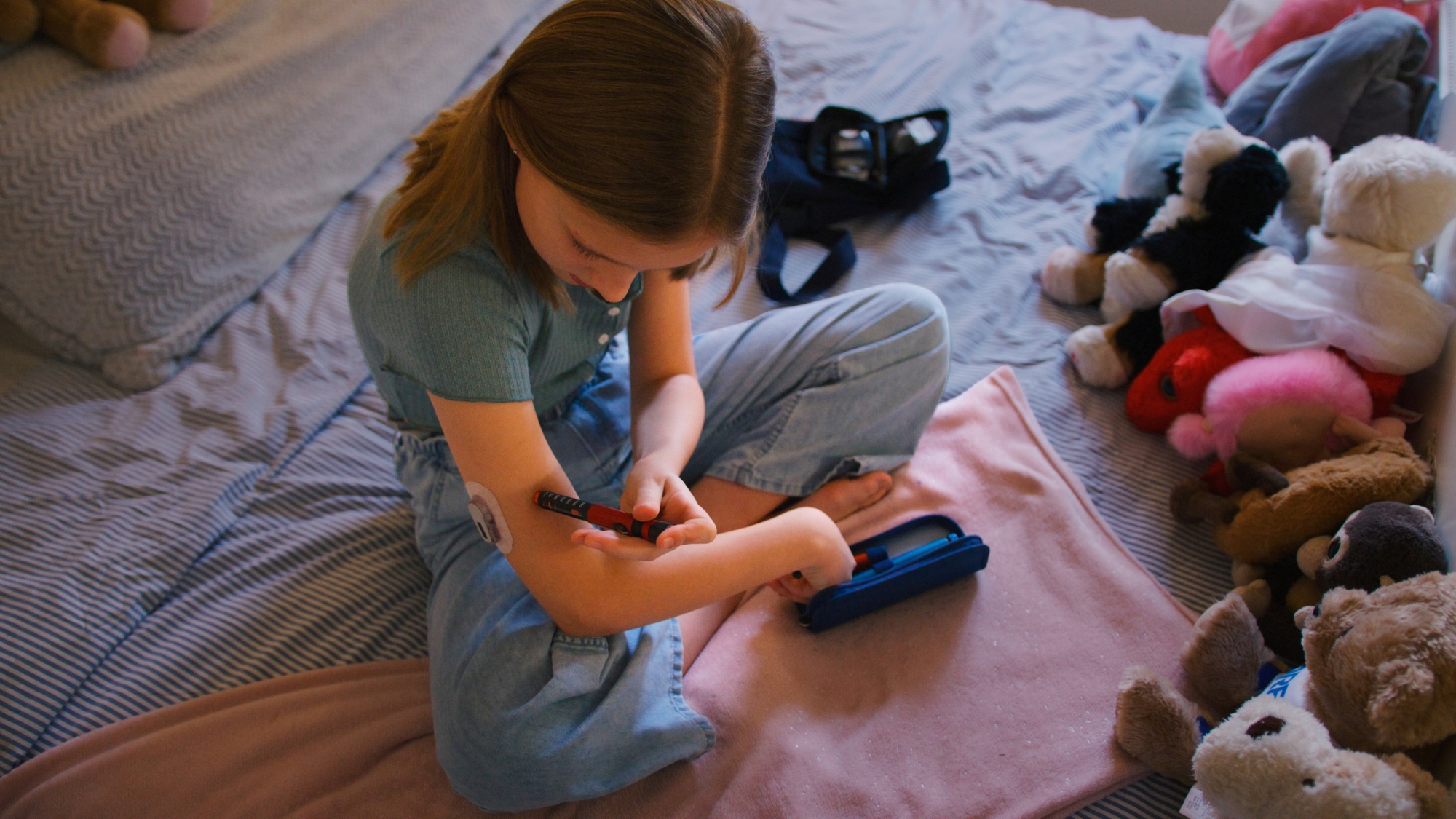
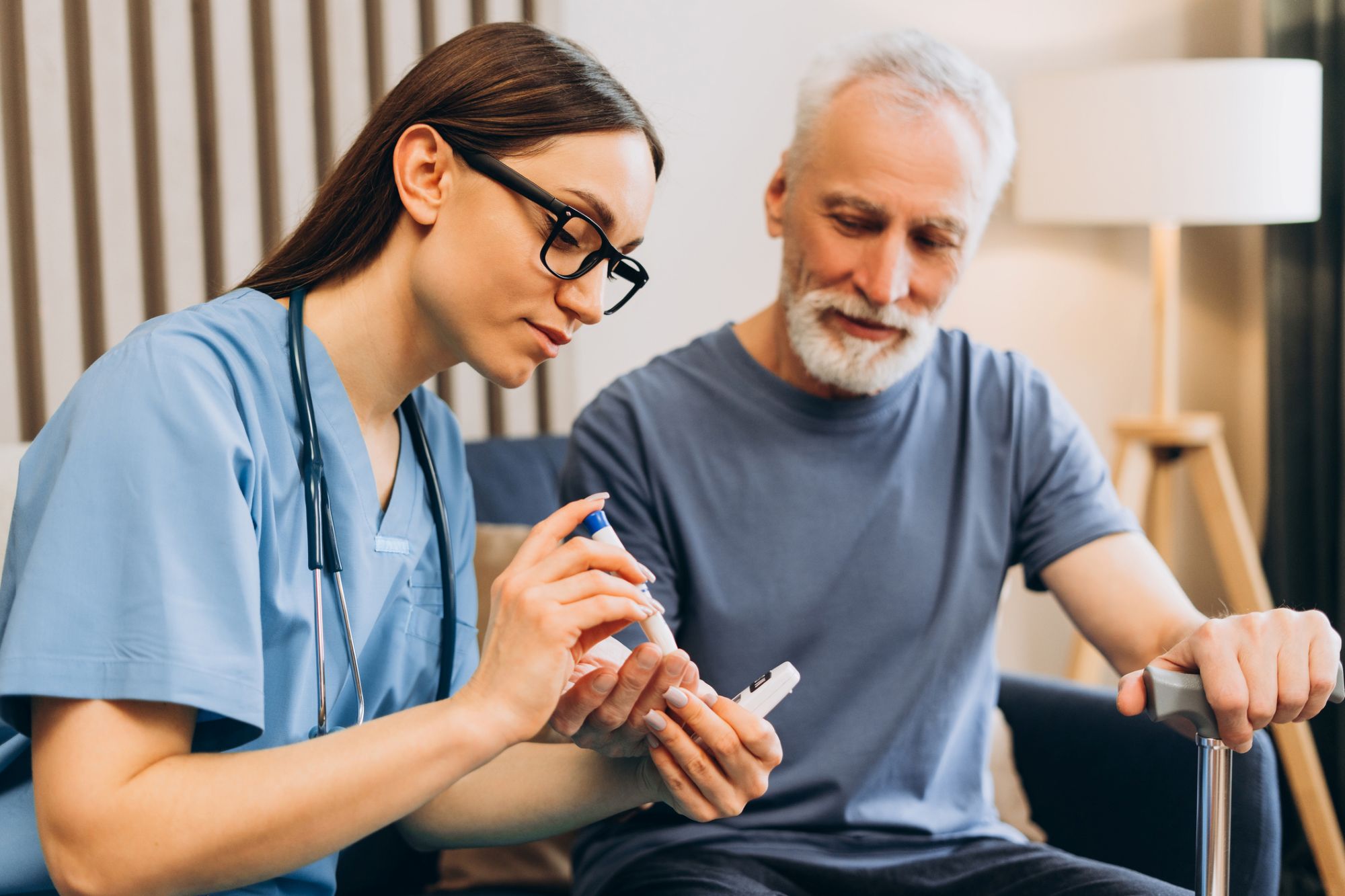
Medical conditions such as diabetes, high cholesterol, atrial fibrillation (irregular heartbeat) or coronary heart disease also increase your risk. The Stroke Association recommends regular health checks to manage blood sugar, blood pressure and cholesterol.
Stroke is a medical emergency
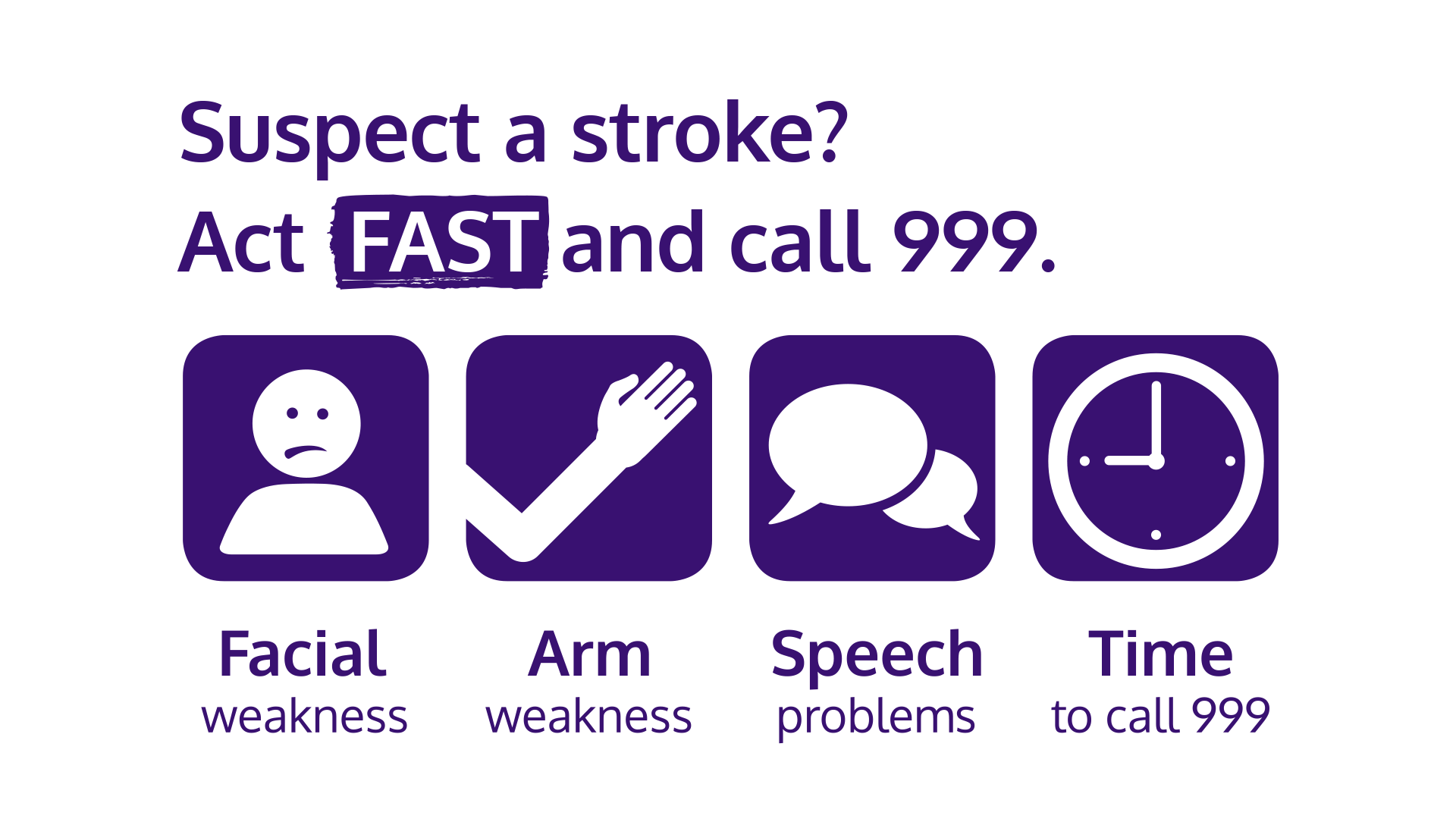
The symptoms of a stroke usually come on quickly. They vary depending on the part of the brain where the stroke is happening, and how big the affected area is, but the FAST acronym (Face, Arms, Speech, Time) will help you remember the most common signs of stroke.
Face weakness: Can the person smile? Has their mouth or eye drooped?
Arm weakness: Can the person raise both arms fully and keep them there?
Speech problems: Can the person speak clearly and understand what you say? Is their speech slurred?
Time to call 999 if you see any one of these signs.
The faster the treatment, the better the chance the has of minimising damage to the brain and getting back speech, movement, and other abilities. A stroke is a medical emergency. If you experience or spot any one of the FAST symptoms, call 999 straight away.
Stroke recovery
Almost two-thirds of stroke survivors leave the hospital with a disability, and the demand for ongoing care and support is growing. But we believe that with the right support, people can rebuild their lives after a stroke.
Visit stroke.org.uk or call our Stroke Support Helpline on 0303 3033 100 for information and guidance.
[1] Stroke Association. Surviving a stroke is the start of a long and difficult journey. https:// tinyurl.com/yc78tnku.
[2] Sentinel Stroke National Audit Programme (2021/22)
[3] Li, L., Scott, C. & Rothwell, P. (2022). Association of Younger vs Older Ages With Changes in Incidence of Stroke and Other Vascular Events, 2002-2018. https://tinyurl. com/2bhaz22t.