By Dr Rebecca Malik
Consultant Gynaecologist and RCOG spokesperson
After an endometriosis diagnosis, one of the questions I hear most often is: what does this mean for my chances of having children?
While endometriosis can affect fertility, a diagnosis is not a prediction of infertility. Many women with the condition conceive naturally. For others, becoming pregnant may take longer or require fertility treatment.
These conversations often take place after women have already spent years trying to get a diagnosis. According to Endometriosis UK, the average time between the onset of symptoms and diagnosis in the UK is nine years. Meanwhile, the RCOG Elective Recovery Tracker shows that over 575,000 women are waiting for gynaecological care. These delays can add to the uncertainty and worsen concerns about the future.
Endometriosis fertility varies by individual factors
It is estimated that around 60–70% of women with endometriosis can become pregnant without fertility treatment. However, an individual woman’s chance of pregnancy will depend on several factors: age, ovarian reserve, the extent and location of the disease, whether the ovaries or fallopian tubes are affected, previous surgery and other individual or partner-related fertility factors can all play a part.1
More research is needed to understand who is most likely to experience fertility difficulties and how best to support them. Earlier diagnosis can give women quicker access to treatment, reliable information and the opportunity to discuss their future fertility.
There is no single right time to start a family,
and you should not feel pressured because of your diagnosis
Have a discussion with your care team
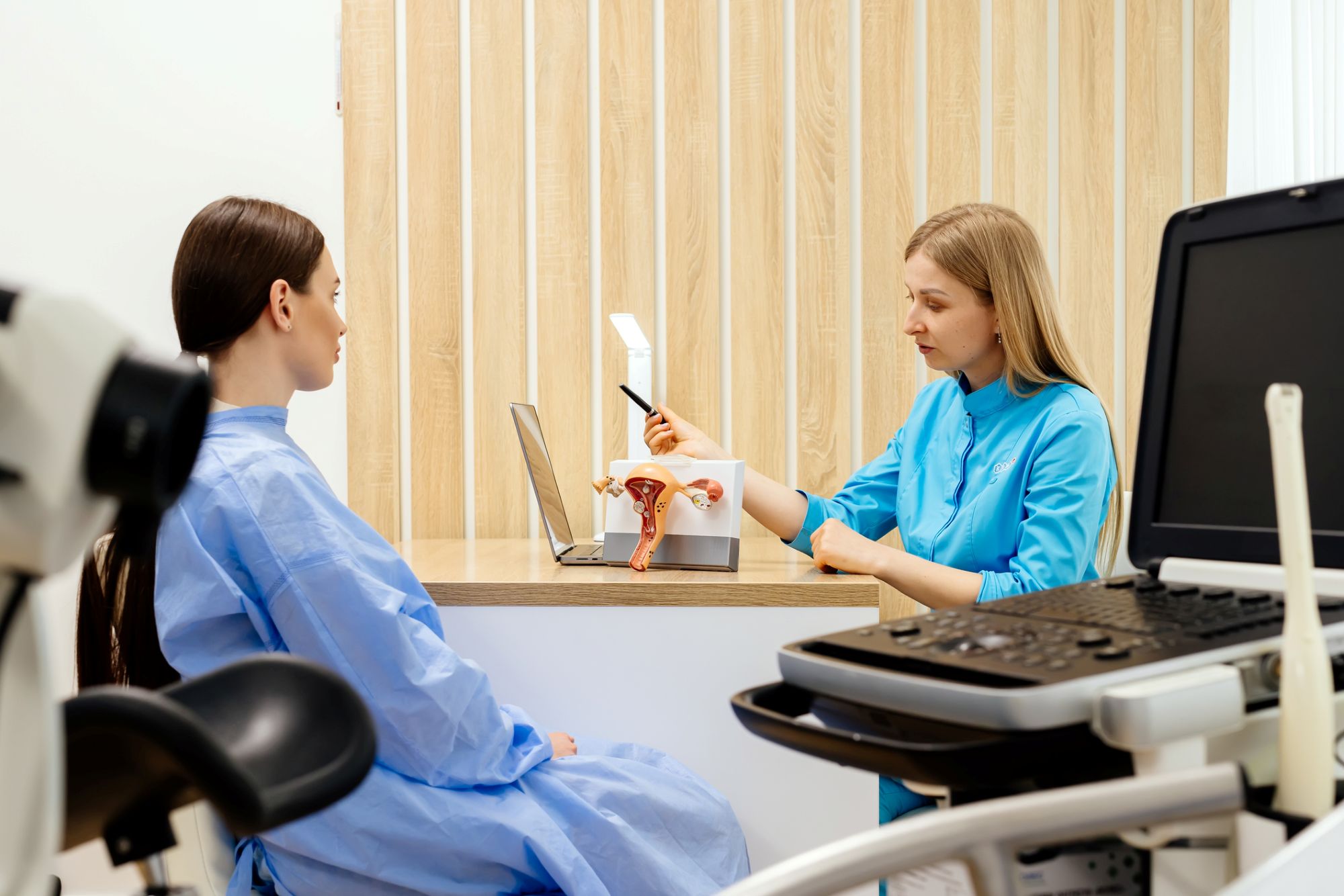
Whether you are thinking about having children now or are concerned about your future fertility, speak to your GP or endometriosis team. They can talk through your individual circumstances and whether you might benefit from further advice or support.
There is no single right time to start a family, and you should not feel pressured because of your diagnosis. In some circumstances, your healthcare team may advise thinking about fertility sooner or discuss whether fertility preservation might be appropriate. Talking to a partner, friend, support group or national charity can also help.
Specialist support for informed decisions
If you are trying to conceive and having difficulty, your healthcare professional can discuss your options and refer you to a fertility specialist if needed. They can also advise you about preparing for pregnancy and taking appropriate supplements, including folic acid.
Women need balanced, individualised information that acknowledges potential fertility difficulties without assuming they will occur. Earlier diagnosis, timely access to specialist care and informed conversations can provide reassurance and help women make the right decisions.
[1] Horne & Pearson, 2018. Endometriosis: The Experts’ Guide to Treat, Manage and Live Well with Your Symptoms.