Health Awareness




In this issue
-

Men, Mental health and COVID-19
Everybody’s mental health has been challenged this past year and it’s not over. As we emerge from what we hope will be the worst of the COVID-19 pandemic, many questions, concerns and anxieties remain. Even before the pandemic, men’s mental health was a cause for concern. There is a grave disparity in the high number...
-

Intermittent self-catheterisation changed my life
With bladder conditions still being something of a taboo subject, many men live in isolation with depression and anxiety. Something as simple as learning to use intermittent self-catheters can transform a life. Currently in the UK there are 14 million people living with a bladder condition1. A study conducted by the NHS found that up...
-
s Sponsored
Did you know that same day treatment is available for your kidney stones
We all know that staying hydrated is important, but sometimes genetics and not drinking enough can cause obstructions in our system, known as kidney stones. While it is normal for most of us to produce some sort of kidney stone that is passed out naturally through our urine, occasionally bigger stones do arise. Not only...
-

s Sponsored
Finding new solutions for ABL
Accidental bowel leakage (ABL) is a common condition, which people understandably find embarrassing, however, new innovations are helping patients to improve their quality of life. It is estimated that one in 10 men and women in the UK will experience bowel control problems at some point in their lives. Many are too embarrassed to talk...
-

s Sponsored
Finding new treatment options for bladder cancer
Bladder cancer affects over 10,000 people a year in the UK. A minimally invasive treatment offers hope to patients who wish to preserve their bladder or those who cannot undergo major surgery. While bladder cancer is the fourth most common cancer in men behind prostate, colorectal and lung cancer, about 80% of cases are the...
-

s Sponsored
Improved outcomes start with improved diagnostics
As healthcare battles to be more efficient and more effective, investing upstream in photodynamic diagnostics could help improve patient outcomes. When it comes to treating bladder cancer, time is of the essence. But the COVID-19 pandemic has led to delays at every stage of the patient journey. “Last March, we were doing more new non-muscle...
-

Bladder cancer – what you need to know
Bladder cancer isn’t rare – it’s one of the 10 most common cancers in the UK with, in total, over 20,000 people diagnosed each year and around three quarters of cases occurring in men. Importantly, bladder cancer has a high rate of recurrence following treatment – up to 80% – and is one of the most expensive cancers for the NHS to treat. Despite being common and...
-

Early detection is likely to give you a far better outcome
If you’ve had blood in your urine or an increased need to pee, it could be a sign of cancer. It’s probably nothing serious, but finding cancer early makes it more treatable, so just speak to your GP. The NHS has introduced measures to ensure your safety. Most people who are urgently referred are seen by a specialist within two weeks. As with most health issues,...
-

Encouraging men to open up about their health
As we begin 2021 and enter a new post-COVID world, health and wellbeing needs to be a priority. Men’s health presents us with a challenge, as traditionally men have struggled to start a conversation on the subject. Over the past few years, the conversation around men’s health has been changing and society has acknowledged that it is okay to talk. There is still a...
-

Rugby star looks to raise awareness for testicular cancer
In the autumn of 2019 life was looking good for former England and Lions rugby star Alex Corbisiero, when he found out he had testicular cancer. Retired from professional rugby, Alex Corbisiero was working as a pundit for NBC Sports and recently engaged to fellow rugby player, Abby Gustaitis, when he was diagnosed with testicular cancer. Alex says: “Due to the fact my father and uncle have both had testicular...
-
Why early detection for prostate cancer is vital
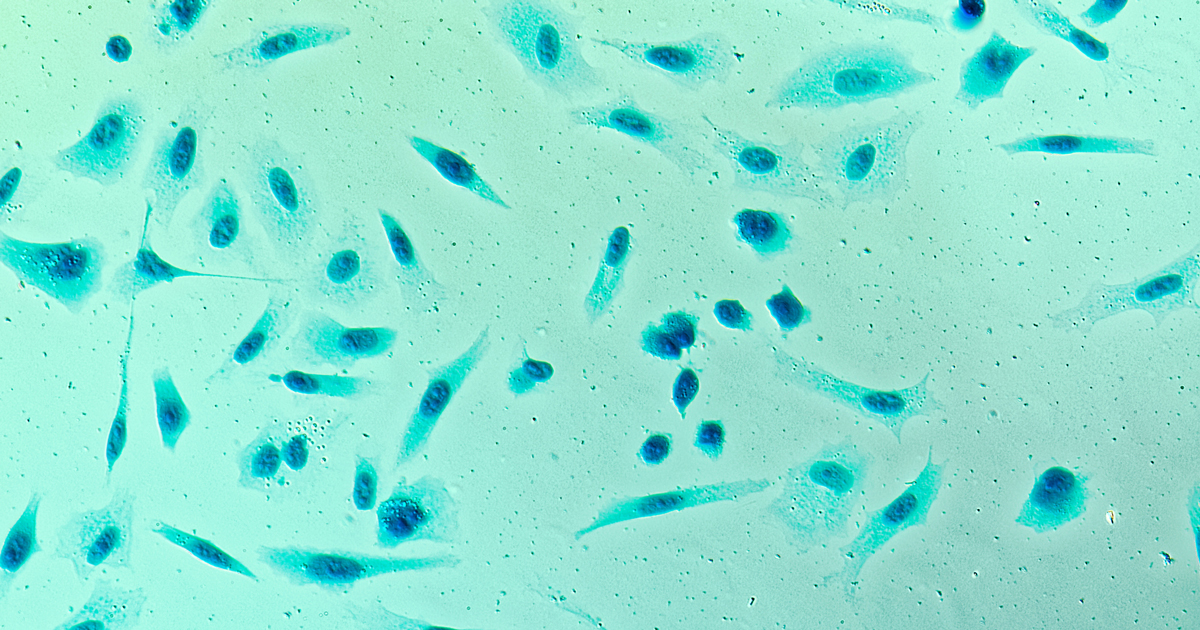
Prostate cancer kills one man every 45 minutes in the UK. Effective early detection is the key to reducing this mortality rate. Informing men about the risk of prostate cancer is crucial. Prostate cancer is the most common cancer in men and the disease kills over 12,000 UK men every year. It is estimated that one in eight UK men will develop...
-

s Sponsored
Advocating patient choice is the new normal, so why not in ISC catheters?
Lifestyle choices, human ability and a support network are all considerations to think about when choosing an ISC catheter, as there is no ‘one size fits all’. When a person’s bladder does not fully empty, the next step might be to recommend intermittent self catheterisation (ISC). This can be worrying for the patient, who will...
-

Our campaign partners
The European Association of Urology (EAU) represents the leading authority on urological practice, research and education in Europe. By facilitating research and education, EAU establishes healthcare policies and European standards for training and urological practice. The Men’s Health Forum is a charity working to improve the health of all men and boys in England, Wales and...
-

s Sponsored
Finding alternative treatments to treat erectile dysfunction
Erectile dysfunction (ED) should be more openly discussed given its prevalence and relation to a number of other conditions including high cholesterol, smoking, obesity, and diabetes. Now there are multiple options for treating ED including injectables. Self-administered penile injections became popularised in the 1980’s and had an instant appeal as an alternative to the only...