Health Awareness





In this issue
-

s Sponsored
Finding the right patient is the breakthrough: why precision matters in rare disease awareness
Rare disease innovation keeps advancing. New therapies and new mechanisms mean new hope. But here’s the reality: none of it matters if the people who could benefit are never identified. That’s the gap we need to close. Rare disease symptoms are often non-specific. Conditions get misunderstood. Patients spend years moving between appointments without a clear...
-
s Sponsored
Why scientific innovation alone does not deliver patient impact
Rare disease innovation matters, but it’s only successful if it has an impact on patients. Cross-sector collaboration can help turn Europe’s complexity into access. Scientific innovation is wonderful, agrees Adam Plich. On its own, it’s simply not enough. In fact, he points out, innovation is worthless if it doesn’t create patient impact. Not enough approved...
-

s Sponsored
The right strategic partners can open a gateway to Europe and the US
Post-Brexit, UK-based biotechs wanting to supply final products into Europe may benefit from the services of an EU-based Contract Development and Manufacturing Organisation (CDMO). When biotech companies move their cell and gene therapy (CGT) programmes from the lab into clinical development, they may not be considering later-stage challenges. Yet, they’ll save huge amounts of time,...
-

s Sponsored
The hidden cost of PBC fatigue
This article has been commissioned by Ipsen. Ipsen also provided editorial content for this article. Most of us think we understand tiredness: a long day, a short night, a few too many deadlines. Yet, fatigue is different. For many people living with the rare liver disease Primary Biliary Cholangitis (PBC), the exhaustion never fades, no...
-

Healthcare equity for rare conditions
Rare conditions affect 1 in 17 people in the UK. We need an equitable healthcare system to meet their needs. Scarcity of rare Genetic Alliance UK’s Equity for Rare report, launched on Rare Disease Day 2026, highlights that small patient populations are an immutable characteristic of these conditions. This leads to systemic challenges: low priority...
-

Connecting Europe for rare diseases
No country can tackle rare diseases alone, but cross-border networks can connect expertise to improve specialised care access. Rare diseases affect around 30 million people across the European Union.1 While each condition is rare, the collective impact is substantial. Challenge of diagnosis For many, the path to diagnosis is long and uncertain: 50% of patients...
-
Healthcare equity for rare conditions
Rare conditions affect 1 in 17 people in the UK. We need an equitable healthcare system to meet their needs. Scarcity of rare Genetic Alliance UK’s Equity for Rare report, launched on Rare Disease Day 2026, highlights that small patient populations are an immutable characteristic of these conditions. This leads to systemic challenges: low priority...
-
s Sponsored
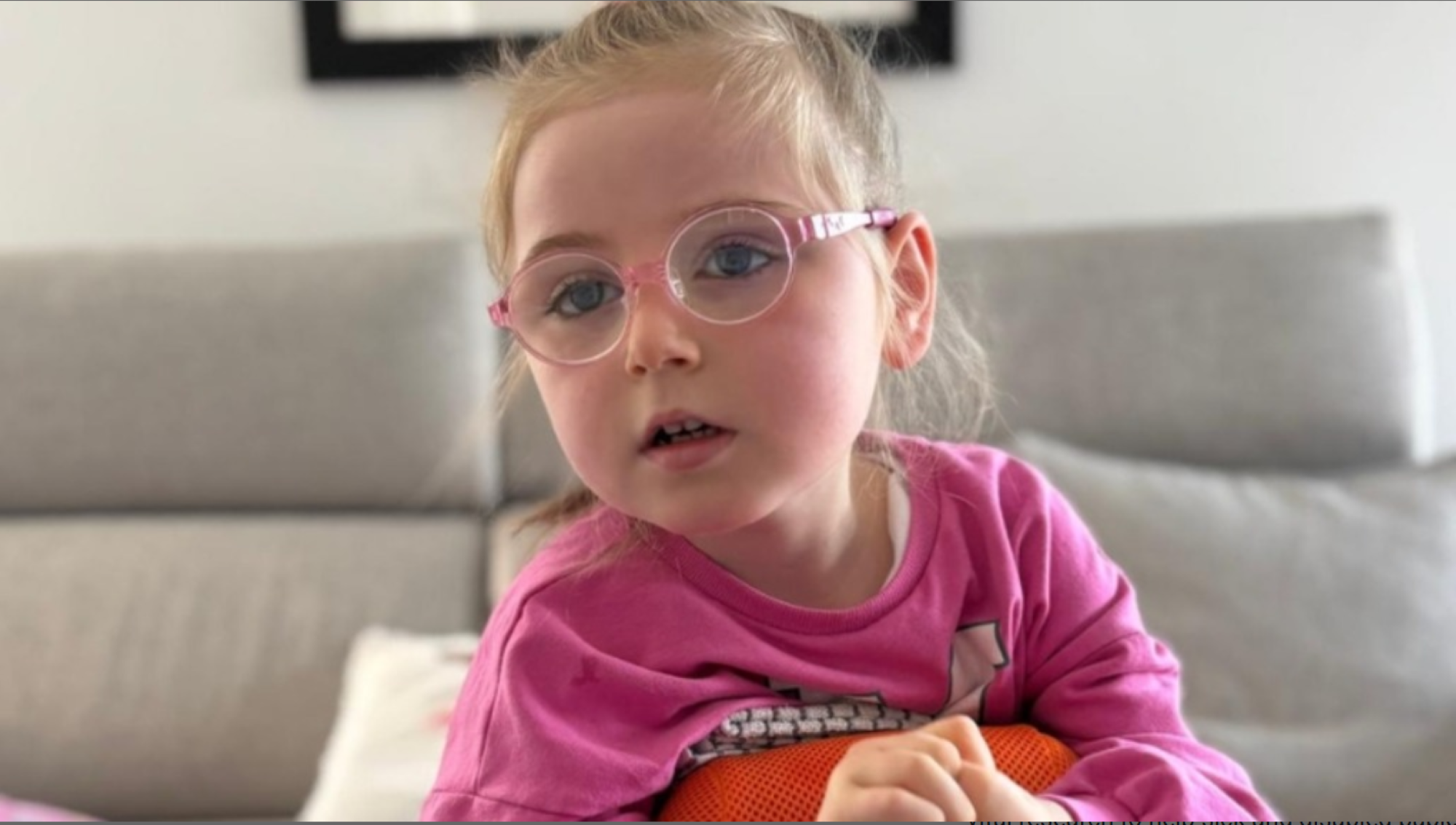
Meet Mollie
Mollie has Rett syndrome, a rare and severe neurological disorder. Although there is currently no cure, clinical trials have begun, offering renewed hope to families. As a baby, Mollie developed normally until around her first birthday. By 15 months, her parents, Mark and Claire, became deeply concerned when she stopped meeting milestones and began losing...
-

s Sponsored
Rare but costly: the importance of defining the true cost of rare diseases in the UK
The socioeconomic burden of a rare disease in the UK is ~£70,000 per patient per year ;1 it’s critical to acknowledge this cost to recognise the full value of new treatments. In 2025, we reviewed published evidence for ten rare conditions and estimated that the socioeconomic burden of a rare condition in the UK is...
-

s Sponsored
Advancing breakthrough science into life-changing medicines for rare disease
A bold scientific initiative is advancing promising rare disease discoveries, aiming to turn breakthrough research into future treatments for patients. Two years ago, the Oxford-Harrington Rare Disease Centre (OHC) made a commitment to advance 40 rare disease drugs into clinical trials by 2034. The partnership already has over 50 drugs in development reflecting the urgency...
-
s Sponsored
How collaboration and innovation are advancing rare disease care
Pharma companies can address unmet needs among people with rare diseases by taking a long-term, holistic and collaborative approach to this often-overlooked area of medicine. Working in the rare disease space is uniquely challenging, admits Faye Dack, UK Country Manager at Spanish pharmaceutical company Ferrer. Patient cohorts are small, clinical trials can be difficult and...
-

s Sponsored
Reshaping access to rare disease medicines to ensure no one is left behind
By building tailored partnerships with innovators and drawing on deep local expertise, a new European model is unlocking the potential of rare disease medicines and reaching patients across all 32 countries. Across Europe, patients with rare diseases are being let down,” admits Adam Plich, and it isn’t due to a lack of pharma innovation. The...
-
s Sponsored
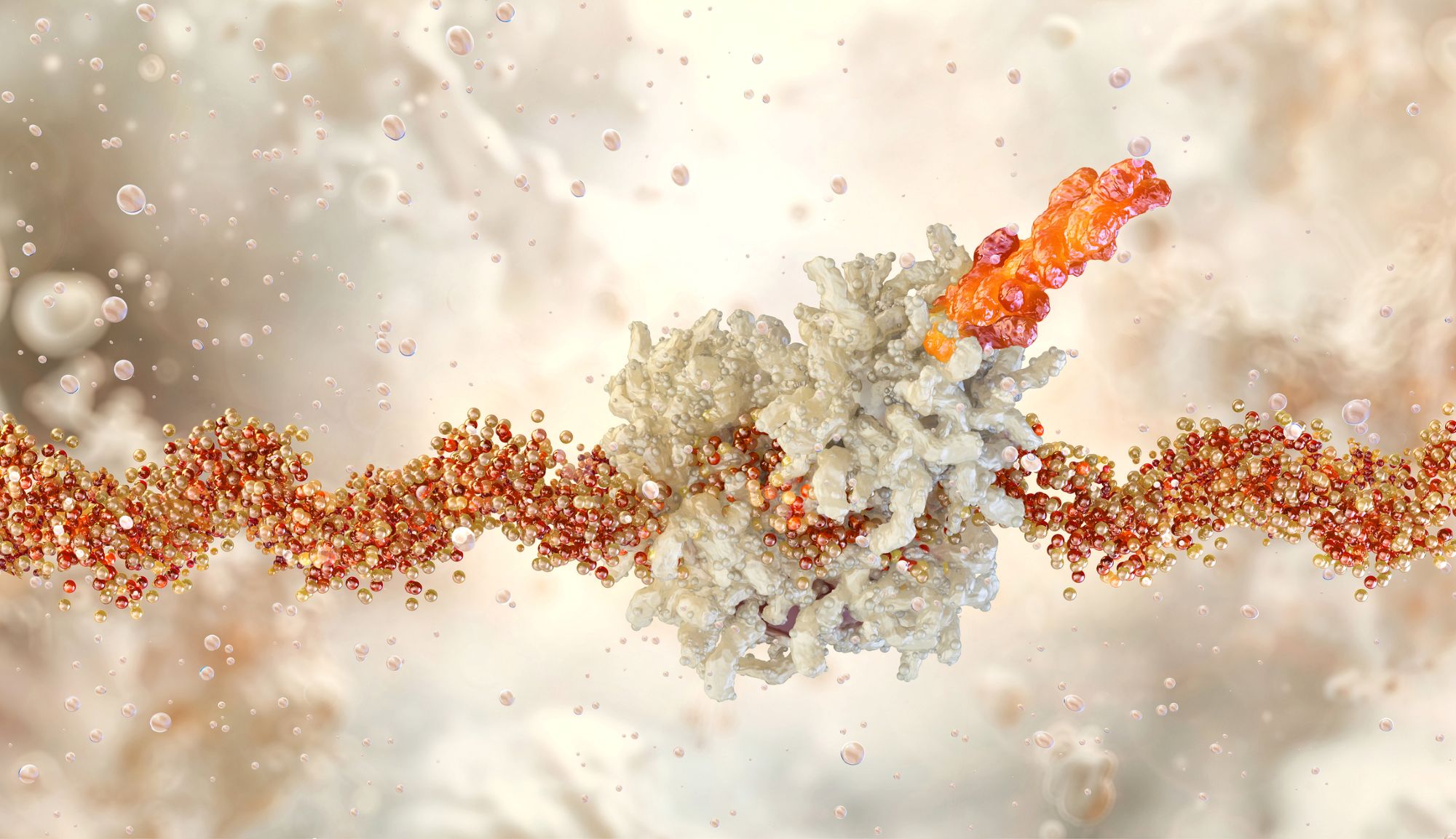
Why mRNA medicines could be a rare disease breakthrough
Breakthroughs in mRNA medicines could be transformative for patients living with rare diseases such as cystic fibrosis and ornithine transcarbamylase deficiency. Why mRNA medicines could be a rare disease breakthrough During the Covid-19 pandemic, advances in messenger ribonucleic acid (mRNA) technology accelerated vaccine development. Now this same technology may offer new hope to patients with...
-

Changing the future of healthcare through genomics
The Generation Study is providing earlier diagnoses and faster, life-changing treatment for babies around the country. Every year, thousands of babies are born in the UK with rare genetic conditions, and early intervention can enhance the health and quality of life of many babies. The Generation Study is an innovative research study looking to improve how...
-

The future is now: how young people are shaping the future of rare disease advocacy
The next generation is here, and they want you to take them seriously. Every year, Rare Disease Day unites communities worldwide in fighting for equity for the 300 million people living with rare diseases. New initiative: Raising Youth Voices Raising Youth Voiceswas born out of a collaboration between EURORDIS-Rare Diseases Europe, Rare Diseases International (RDI)...
-

Closing the global diagnosis gap
Around the world, an estimated 250 million children suffer from serious medical issues without even knowing the cause. This prolonged and exhausting “diagnostic odyssey” defines childhood. Clinical genomic sequencing offers a way out of that uncertainty. With a single test, doctors can examine a child’s DNA to identify a rare disease and/or provide more specific...
-

Why Clinical Trials Matter — Especially for Rare Diseases
Clinical trials may help in the creation of rare disease treatments by providing specific insight into a patient rather than approximations based on unrelated illnesses. Through careful, evidence-based research, trials help answer essential questions: What causes a disease? How does it progress over time? Who is most at risk? And which treatments are safest and...
-

Call for rare disease global action
People living with a rare disease face persistent challenges, but leaders have an opportunity to improve outcomes. The 300 million people1 living with a rare disease worldwide face delayed diagnosis, limited access to treatment and care and significant financial burdens. Urgent need for global action on rare diseases Global health is being reshaped, restructured and...
-

Turning rare disease data into actionable knowledge
The lack of reliable data represents a major challenge in the rare diseases field, hampering diagnosis, definition of care pathways and therapy development. Indeed, high-quality evidence is essential to take informed decisions on policies, research, innovation and care. The Orphanet knowledge base aims to address data gaps, while its non-profit spin-off, Orphanet-AISBL, aims to customise...