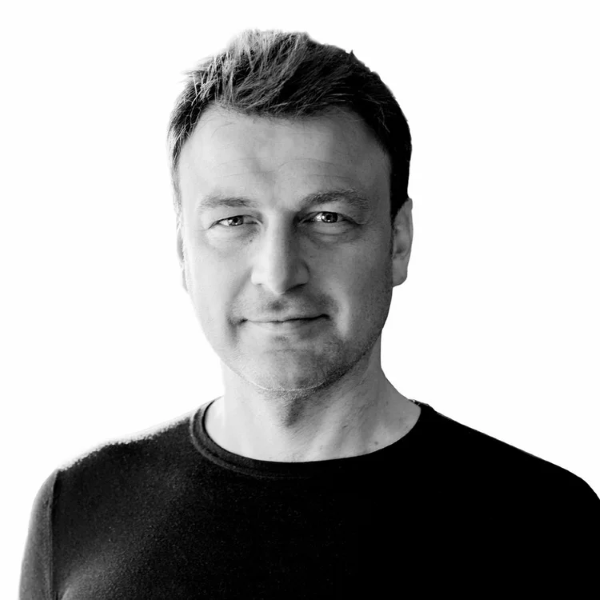
Adam Plich
Co-Founder and CEO Avanzanite Bioscience
Rare disease innovation matters, but it’s only successful if it has an impact on patients. Cross-sector collaboration can help turn Europe’s complexity into access.
Scientific innovation is wonderful, agrees Adam Plich. On its own, it’s simply not enough. In fact, he points out, innovation is worthless if it doesn’t create patient impact.
Not enough approved medicines reach patients
Plich has seen too many medicines leave the lab, get through clinical trials and then receive approvals from the world’s leading regulatory authorities. But then, nothing happens. “These therapies are not reaching the people they’re designed for,” he says. “Increasingly, patients in Europe are the ones who are being left behind.”
So, he co-founded Avanzanite Bioscience, a specialist pharmaceutical company exclusively focused on rare diseases. Its watchword is ‘no one left behind,’ and its explicit purpose is to get medicines to rare disease patients across all European countries.
A complex picture, but not an insurmountable challenge
Naturally, that’s easier said than done, because there is a set of ‘accepted’ assumptions about the healthcare picture in this part of the world. For example, reimbursement in Europe is lengthy and complicated; plus, ultra-rare medicines can’t be launched sustainably across a single country, several countries or a larger region.
Admittedly, the European healthcare picture is extremely complex with its 32 different markets, different languages, pricing, reimbursement, legal complexities and healthcare requirements. Nevertheless, Plich argues that these challenges are not insurmountable.
Rather than ignoring European complexity,
the idea is to use local knowledge to unlock potential and opportunity
Part of the answer, he says, is early collaboration between healthcare systems and patient communities to anticipate diagnostic needs, evidence requirements, access barriers, local care pathways and patient support requirements. “Integrating the patient voice into decision-making is so important,” he insists.
Better collaboration between commercial stakeholders
He also recognises that better cross-sector collaboration on the commercial side is critical. In response, his company has built the expertise and infrastructure needed to take ownership of biotech companies’ rare-disease medicines through tailored licensing, distribution or acquisition partnerships, ensuring those medicines reach patients in every country across Europe. Rather than ignoring European complexity, the idea is to use local knowledge to unlock potential and opportunity.
He says: “We needed to develop a disruptive operating model that brings the best minds in Europe together.” Working together across the ecosystem will create sustainable routes for orphan medicines to reach eligible patients. Yet, Plich admits that time is pressing because 100–150 new orphan medicines are expected to be approved globally in the next five years. “We have never had such an opportunity to make such an impact on rare disease patients,” he says. “We need to catch that momentum.”