Sophie Medlin
Consultant Colorectal Dietician
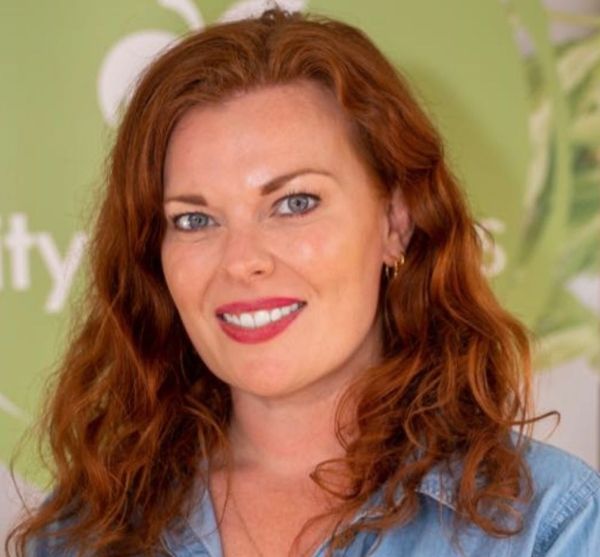
Sophie Medlin is a Consultant Colorectal Dietitian with nearly 20 years of experience working with people with bowel problems.
As a dietitian specialising in bowel problems, I’ve seen and heard it all when it comes to gut health. I work with people who have had major bowel surgery due to conditions like Crohn’s Disease and those struggling with common but distressing issues like IBS, anal fissures and haemorrhoids.
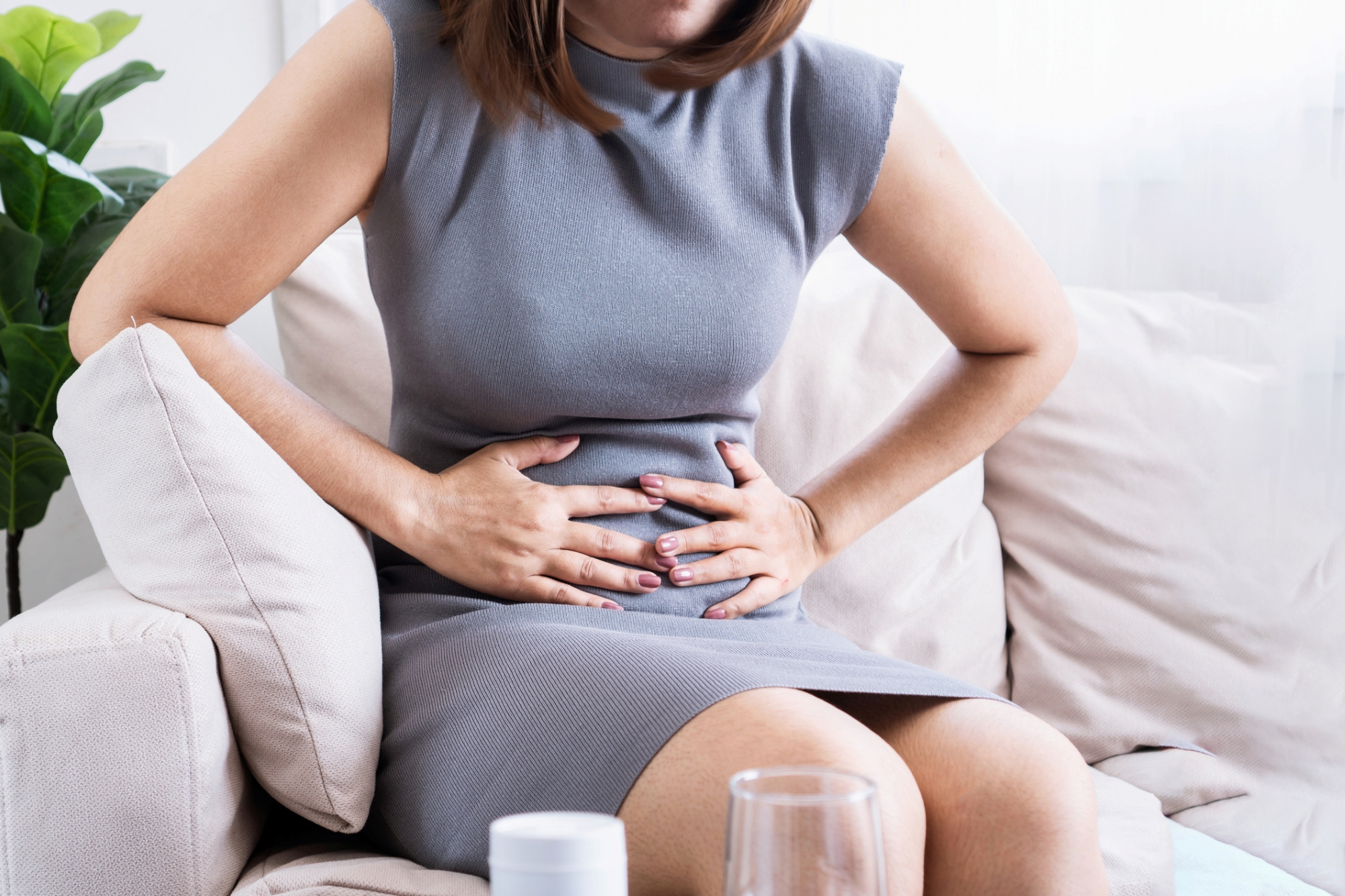
Most patients take bowel and rectal function for granted until something’s wrong. Our bowels not functioning properly can impact daily life, affecting confidence, relationships, work and even leaving the house.
when symptoms persist despite medical investigations or treatment, dietitians can play an important role in improving bowel function and quality of life
Diet’s impact on bowel conditions
Diet can make a remarkable difference to the quality of life for many bowel conditions. That’s what drew me in nearly 20 years ago, when the “poo taboo” was very much alive.
Many people feel embarrassed about bowel symptoms that they delay seeking help for years, sometimes decades. Creating a safe, non-judgmental space and asking the right questions has allowed me to help people manage problems they were often told to live with.
Everything we eat affects what comes out the other end. Digestion is a complex process involving the mouth, stomach, pancreas, gallbladder, small bowel and colon before waste reaches the rectum and anus.
What to do if you have bowel symptoms
Problems at any stage can affect bowel habits and symptoms. Much of my work involves identifying clues from stool patterns alongside symptoms like bloating, pain and excess gas.
Your GP should always be the first port of call for bowel symptoms, particularly “red flag” symptoms, like persistent pain, bloating, blood in the stool or unexplained weight loss. But when symptoms persist despite medical investigations or treatment, dietitians can play an important role in improving bowel function and quality of life.
One issue I commonly see is faecal incontinence, which can result from childbirth injuries, pelvic floor weakness during menopause, nerve damage or difficulties emptying the bowel properly. Although many people suffer in silence, it’s not something anyone should simply accept, and there’s often more that can be done to help than people realise.
INFO BOX:
Sophie worked in the NHS before becoming an academic, and she set up her private practice CityDietitians to support those living with complex gastrointestinal problems. Sophie was the lead clinician on Channel 4’s flagship gut health programme, Know Your Sh*t.