

Dr Paul Brooks
Chief Executive Officer, CN Bio

Dr Tomasz Kostrzewski
Chief Scientific Officer, CN Bio
Organ-on-a-chip systems are helping improve the predictive value of preclinical research, reduce translational risk and accelerate decision-making in drug development.
Why does the pharmaceutical industry need better preclinical models?
Dr Tomasz Kostrzewski (TK): Predicting how drugs will behave in patients is a big challenge for every drug developer. Traditionally, it’s a process that uses animals or in-vitro single-cell culture systems. These types of preclinical models have their value, but their usefulness is limited because they don’t fully reflect what actually happens in human tissues or organs. What’s needed is more predictive human biology earlier in development because the pharma industry’s Achilles’ heel is the huge number of drugs that fail in the later stages. When this happens, it’s because researchers don’t properly understand the drugs they are developing due to poor or conflicting data.
How are microphysiological systems changing drug development?
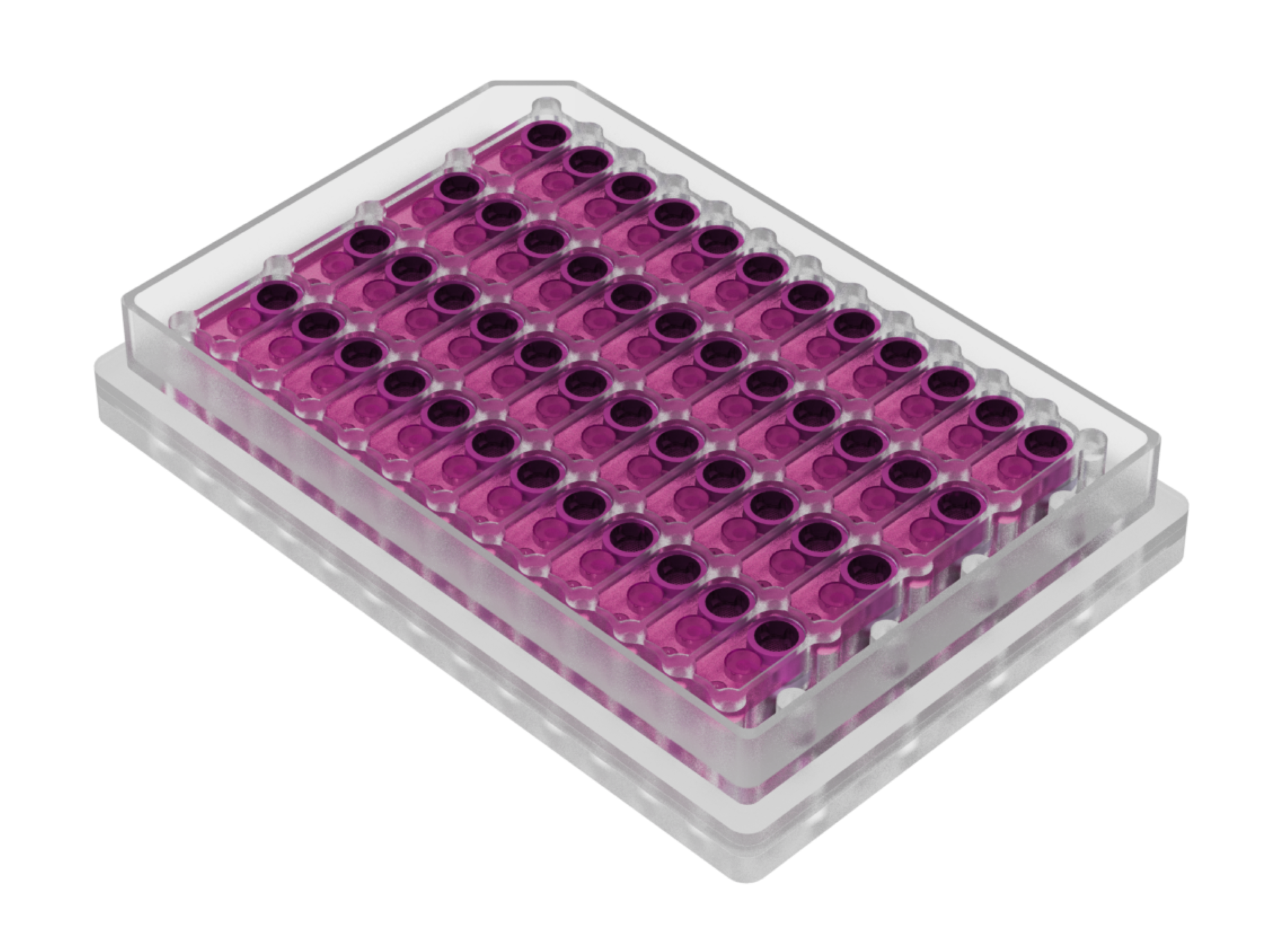
TK: Microphysiological systems (MPS) — otherwise known as organ-on-a-chip technology — are miniature human organ tissue mimics grown in a laboratory. These models recreate key aspects of human organ function, including immune responses, enhancing the translational potential of pre-clinical drug testing. We have developed liver, lung and intestinal models as well as multi-organ systems that simulate human processes—an area where animals have traditionally been relied upon to provide insight.
Our users employ these tools throughout development: to evaluate drug efficacy, identify potential toxicity, and support more accurate dose predictions ahead of clinical testing. Many use MPS routinely to inform decision-making or address uncertainty. Others utilize the technology to provide a viable path forward for developing newer, human-specific, drug types where animal testing is where animals have traditionally been relied upon to provide insight. Our users employ these tools throughout development: to evaluate drug efficacy; identify potential toxicity; and support more accurate dose predictions ahead of clinical testing. Many use MPS routinely to inform decision-making or address uncertainty. Others utilize the technology to provide a viable path forward for developing newer, human-specific, drug types where animal testing is less suited. Some are still validating where MPS adds the greatest value alongside established approaches.
There’s a massive push from regulators to move away from traditional animal assays
Where are these systems already having an impact?
TK: These systems provide the data-rich insights needed to make more confident go/no-go decisions by showing how a drug is likely to behave in humans. For US biotech Inipharm, our PhysioMimix® technology supported progression of a liver disease drug into clinical development. For a major Pharma, it helped explain unexpected clinical data for two hepatitis B molecules, showing why the backup candidate had greater promise. That insight gave them confidence to continue, and the molecule has since been approved in Japan. For more examples, join CN Bio’s e-Symposium ‘From Insight to Decision’ this December.
How do organ-on-a-chip technologies align with regulatory trends?
Dr Paul Brooks: There’s a massive push from regulators to move away from traditional animal testing —but it’s not a global mandate. It will take time for the pharma community to make the transition to non-animal methods, especially as their biggest constraint is the status quo. Scientists are used to working with established models, even though they don’t always translate into the clinic. That is why we focus discussions on the quality of data that organon-a-chip generates, and how it provides a more comprehensive understanding of the drugs they are developing. With the introduction of AI and models like our own workflows are changing. Successful companies will implement both alongside current approaches.
What is the future of human-centric drug development?
TK: The industry is clearly moving towards human-relevant models, so animal tests will decrease. But advanced in vitro systems are not a direct one-to-one replacement. Animal models provide insights that organ-on-a-chip can’t. Researchers will win by having the right combination of tools, including AI, and using them in a more effective, efficient, and informed way. While AI has the potential to process data much faster, its value depends on the quality of data it’s trained on. That’s where our platform also adds value: by generating translationally relevant endpoints that strengthen AI models and create a more meaningful feedback loop between human-relevant biology and better drug development decisions.