Health Awareness
Life Science Innovation 2026
-

UK biotech boom: Momentum or mirage?
UK biotech is thriving with record investment and faster trials. The challenge now: scaling success before advantages slip away. Britain’s life sciences sector is showing what happens when the right conditions align. Since the Life Sciences Sector Plan launched in 2025, the sector has attracted over £3 billion in new investment and clinical trial set-up...
-

Science parks and innovation clusters: critical infrastructure for UK life sciences
World-class research has established the UK as a global life sciences leader. The ambition now is to create the conditions for more innovative companies to start, scale and manufacture here. The Government’s Life Sciences Sector Plan reinforces that ambition: to make the UK Europe’s leading life sciences economy by 2030, and third globally by 2035. Scientific...
-

Founders with the right support can achieve their full potential faster
The UK has no shortage of world-class science or entrepreneurial ambition. The challenge (and opportunity) now is to ensure that these innovative companies have everything they need to grow, scale and succeed right here. At BioUK, we work closely with founders, investors and industry leaders. One message consistently emerges: companies that progress fastest are rarely...
-

Britain’s cell and gene therapy moment
The UK has built a nationwide engine for advanced therapies. Now, the task is to lead in scale and low-cost manufacturing, playing to its competitive advantage: innovation. In 2025, the UK hosted 57% of Europe’s cell and gene therapy trials, and 9% of the global total. Homegrown companies are transforming cancer and inherited rare disease...
-

Working with the nucleus of the UK biotech landscape
There’s a growing sense of optimism among UK biotech leaders brought about by the rise in venture financing and progress being made in the UK Life Sciences Sector Plan 2025 goals and a healthy M&A dynamic. Notable have been the £1bn deals by Myricx Bio and Isomorphic Labs, creating impressive headlines while demonstrating the value the industry places on UK innovation. Below these headline makers, there is improved deal flow...
-

New minister for life sciences predicts a bright future for the sector
We have some of the world’s best scientific minds, world-class universities and most innovative businesses making breakthroughs that can give real hope to patients through new treatments, while supporting hundreds of thousands of livelihoods across the country. In my time so far as science minister, I have already seen that the life sciences sector embodies...
-

From world-leading science to real-world patient benefit
How can discoveries made in the lab genuinely benefit patients? In biomedical engineering, new technologies are transforming what is possible, from brain-computer interfaces and AI-assisted clinical decision support to cell and gene therapies and lab-grown tissues. Research conducted in The Stevens Group explores the interface between material science and biology to develop new approaches to...
-

s Sponsored
Infrastructure can be built, but a scientific ecosystem must be cultivated
The UK is recognised globally for the quality of its life science research. Britain has extraordinary scientific assets, but success is also judged on our ability to translate, commercialise and scale. The UK’s scientific excellence gives it an enviable position in global life sciences, but discovery alone does not guarantee economic or societal impact. The...
-
s Sponsored
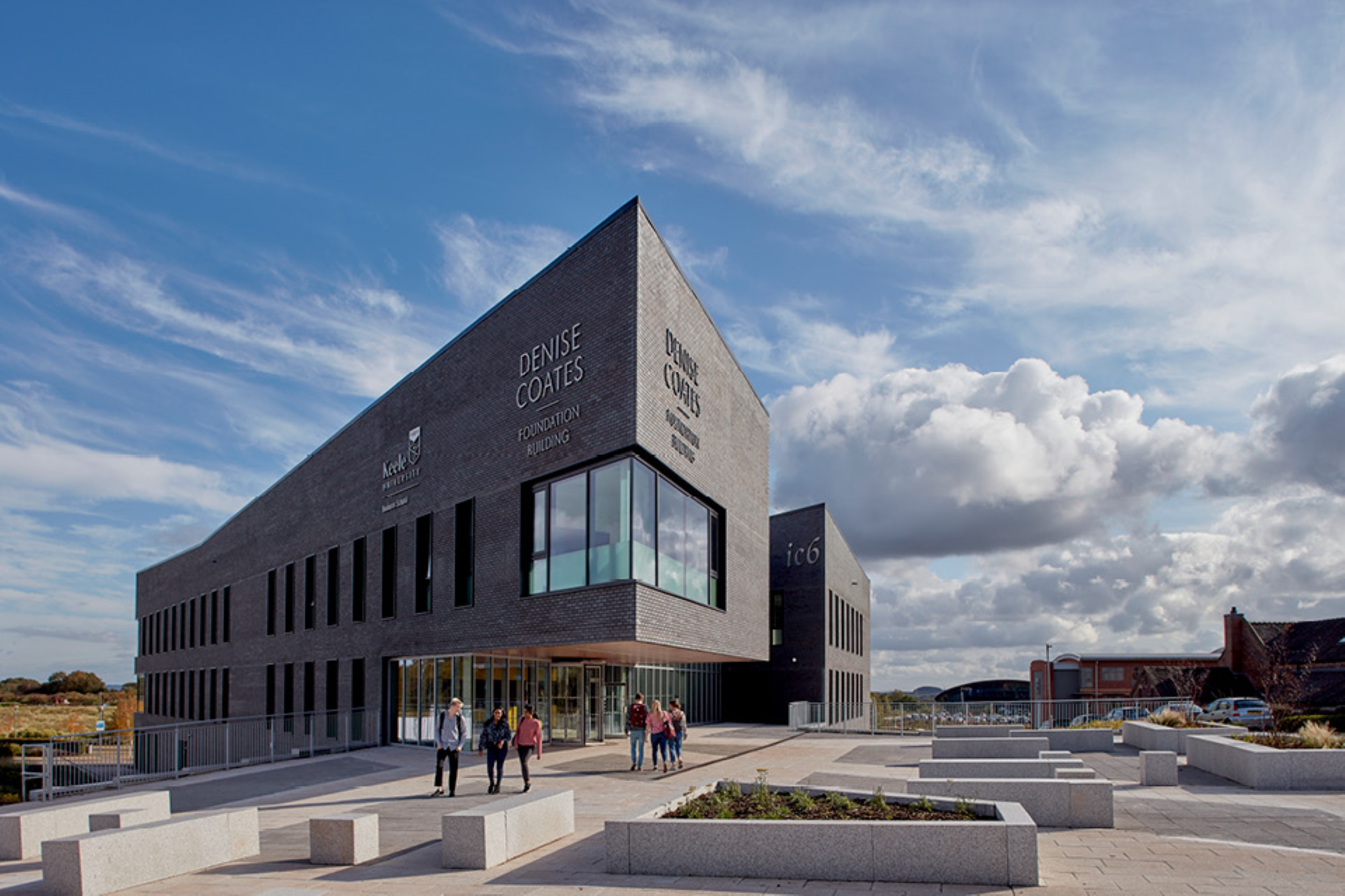
Why businesses are choosing Keele Innovation District
Innovation ecosystems take time to build. They grow when businesses, researchers, healthcare organisations and investors come together to share expertise, collaborate and turn ideas into impact. At the heart of North Staffordshire, Keele Innovation District builds on a proven track record of innovation-led development. Its established community, Keele University Science and Innovation Park, is home...
-

s Sponsored
London’s life sciences future depends on inclusive growth
London’s position as a global life sciences powerhouse is the product of centuries of medical discovery, world-class universities, entrepreneurial ambition, investment, clinical excellence and, crucially, people. Today, the city hosts to over 3,400 life sciences companies, attracts billions in investment and ranks among the world’s leading health innovation hubs. However, maintaining its position requires sustained...
-

s Sponsored
Understanding the basis of human diseases for drug discovery
Drug discovery has a human biology problem. We have the capability to read the genome, yet we struggle to understand which genetic changes cause disease, in which cells, and through which molecular mechanisms. Many diseases are associated with genetic variation within the non-coding genome. These variants regulate gene expression through interactions that cannot be understood...
-

s Sponsored
Where science, technology and real estate converge
Real estate company empowers life science organisations to innovate, supporting them to navigate the growing complexity and financial pressures facing the sector. The Covid-19 pandemic showcased the UK’s excellent life sciences ecosystem, with world-leading research contributing to the rapid development of vaccines. This success supercharged investment in the sector, as investors sought to capitalise on...
-

Healthtech is not just about innovation but a healthy nation
Healthtech is helping transform healthcare, supporting prevention, productivity and economic growth while ensuring innovation reaches patients faster. Encompassing medical devices, diagnostics and digital health technologies, healthtech is crucial to translating discovery into practical solutions for patients, healthcare systems and the economy. It will be central to the NHS’s strategic shifts: treatment to prevention, hospital to...
-
s Sponsored
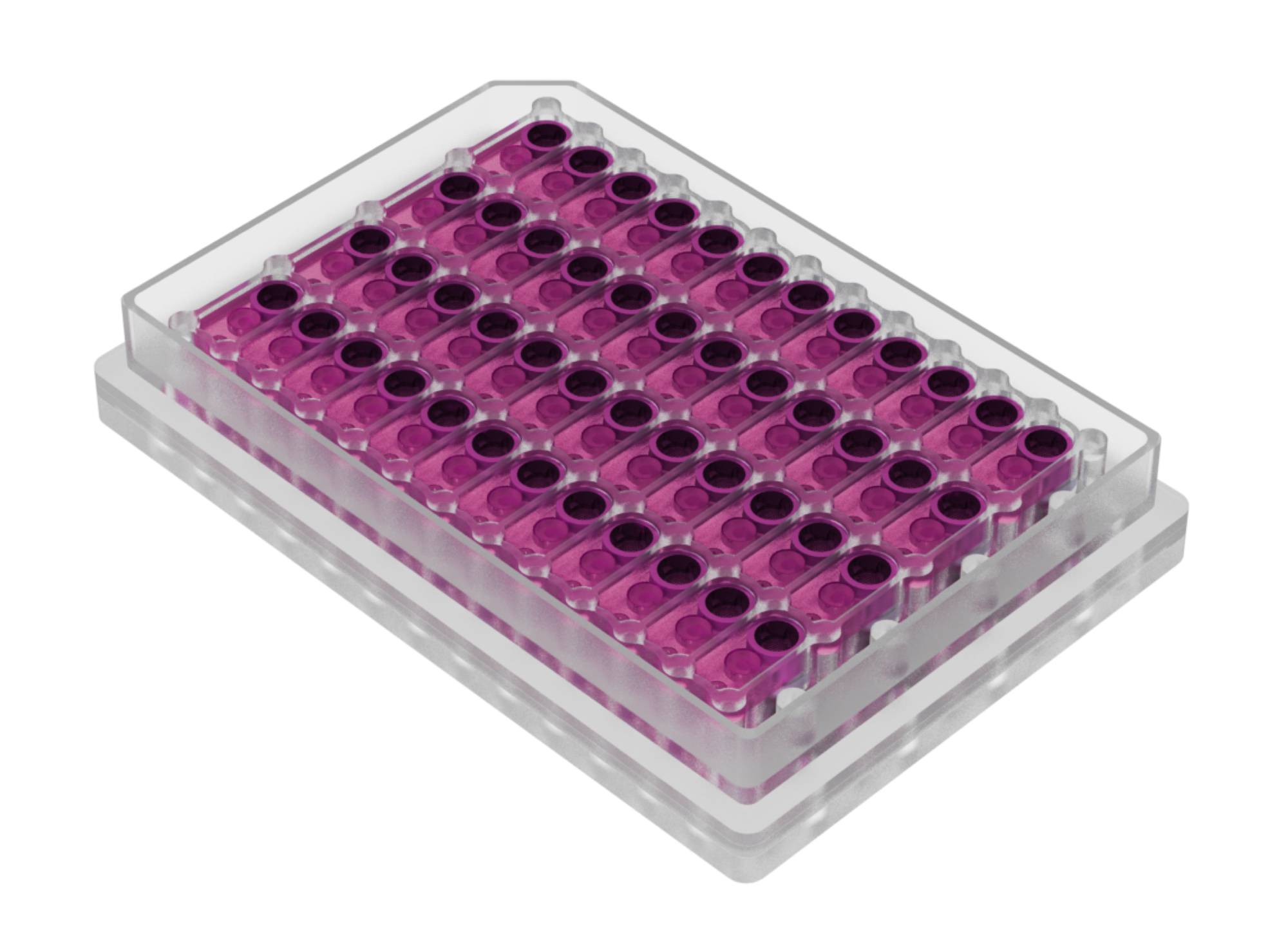
How ‘organ-on-a-chip’ is transforming preclinical drug discovery
Organ-on-a-chip systems are helping improve the predictive value of preclinical research, reduce translational risk and accelerate decision-making in drug development. Why does the pharmaceutical industry need better preclinical models? Dr Tomasz Kostrzewski (TK): Predicting how drugs will behave in patients is a big challenge for every drug developer. Traditionally, it’s a process that uses animals...