
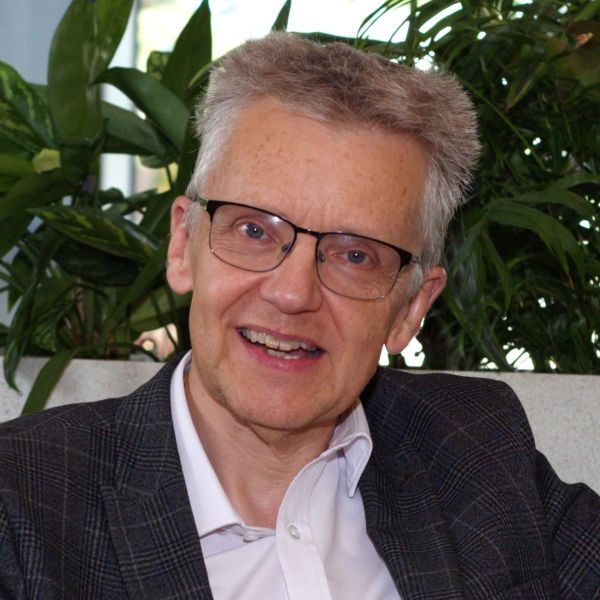
Andrew Waters
CEO, Stevenage Bioscience Catalyst (SBC)
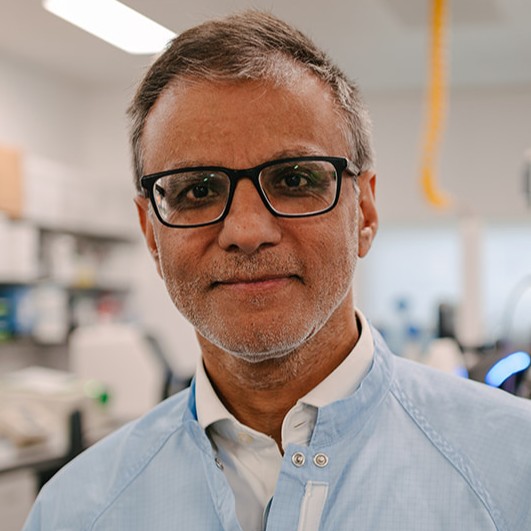
Dr Rafiq Hasan
Founder and CEO, Complement Therapeutics
Bioscience clusters provide pharma companies with wraparound support, helping them accelerate innovation — and potentially deliver transformative medicines to patients.
Drug and therapeutics development is notoriously time-consuming, expensive and risky. “Typically, it takes 10 years and at least £100 million of investment,” says Andrew Waters, CEO of Stevenage Bioscience Catalyst (SBC). “Unfortunately, the success rate of a new drug candidate moving to final approval is low. Only around 9% make it.”
Golden triangle life science collaboration
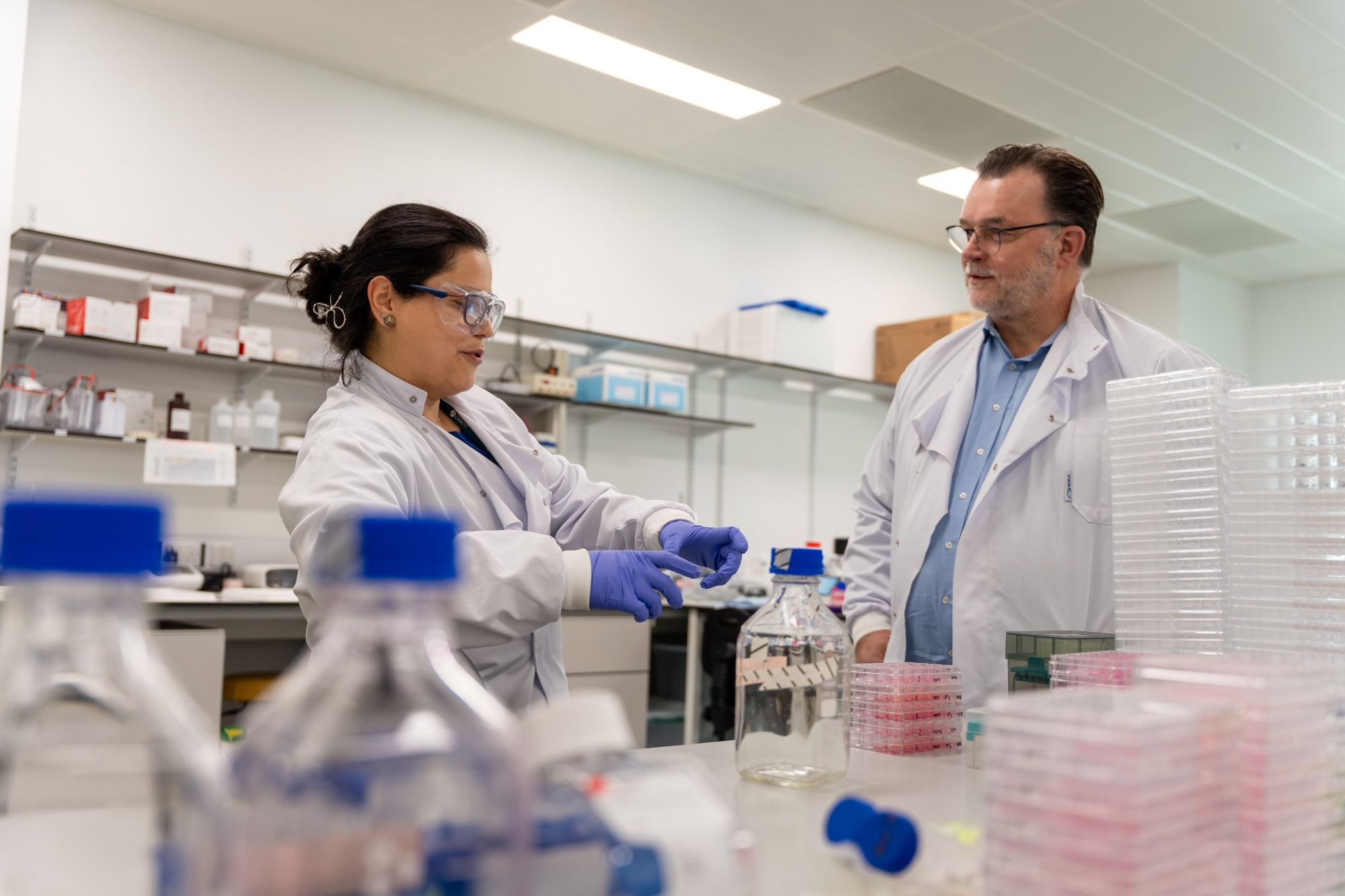
Nonprofit Stevenage Bioscience Catalyst wants to shorten those odds by making it easier for life science companies to innovate. Formed in 2012 through a collaboration between the Government, GlaxoSmithKline, Wellcome and Innovate UK, it’s based in the ‘golden triangle’ between Oxford, Cambridge and London and has grown into a cluster of over 45 companies ranging from startups to multinationals. Befitting a location with deep roots in cell and gene therapy, it also includes a Cell and Gene Therapy Manufacturing Catapult designed to help companies develop their processes and accelerate commercial-scale production.
We’re increasingly seeing people from different companies sitting together and chatting about fun activities
— but also discussing science
Access to state-of-the-art facilities and technologies
Part of the appeal of such a campus is that companies can benefit from a range of wraparound support. In the case of SBC, this includes business workshops and an accelerator programme, plus outreach and STEM initiatives, including mentoring mornings for local sixth-form students and an annual work experience programme. It also offers facilities and technologies that startups and SMEs might otherwise struggle to access.
“That’s been critical for us,” says Dr Rafiq Hasan, Founder and CEO at Complement Therapeutics, which has been based at the Stevenage site since 2023 and is developing a gene therapy for an advanced form of dry macular degeneration, a leading cause of irreversible vision loss. “For example, at one point, we required the use of a specialist piece of equipment called a capillary electrophoresis machine, which we were able to access on campus. We’ve been able to complete our studies in four years, which is very fast for gene therapy. There’s also a collegial, community approach — a genuine desire among the companies based here to help each other out.”
Waters agrees. “We didn’t just want to create a physical environment of laboratories and space,” he says. “We also wanted to develop a broader ‘ecosystem’ of scientists, advisors, mentors, investors and others with connections to pharmaceutical companies. We wanted to make the atmosphere positive and vibrant because if your surroundings are enjoyable, enthralling and inspiring, you’ll deliver better results.”
As a result, the Catalyst runs a programme of social events including salsa dancing classes. “Those classes have had a profound effect on networking,” says Waters. “We’re increasingly seeing people from different companies sitting together and chatting about fun activities — but also discussing science.”
Potential for treatments that offer life-changing results
Results from the campus have been impressive. Innovations include the first approved non-hormonal treatment in a new class of medicines for menopausal symptoms, which began at KaNDy Therapeutics based at SBC before being acquired by Bayer, plus therapies targeting neurodegenerative diseases. Then, there is the headline-grabbing work of Autolus Therapeutics, a biopharma and SBC graduate which grew and scaled at the campus, developing advanced T cell therapies with the potential to deliver life-changing results for cancer patients.
Meanwhile, Complement Therapeutics’ lead asset targeting macular degeneration is in early-phase clinical trials. Dr Hasan says, if successful, “there could be great opportunities to grow our organisation and build out a pipeline of products to treat a host of inflammatory diseases.”
For Waters, the aim is to improve on that 9% success rate and see a greater number of therapies making it from bench to bedside. Curative treatments could offer huge improvements to a person’s quality of life with a one-off cost. We want new treatments to get to patients. That’s what motivates everyone here.”