Health Awareness
Rare diseases 2026
-
Future for rare: why the UK needs a policy for rare conditions
As the UK Rare Diseases Framework ends, Genetic Alliance UK urges Governments across all four UK nations to renew their policy commitment and guarantee equitable care for everyone living with a rare condition. The UK Rare Diseases Framework recognised that strategic policy was needed to improve care. However, with it ending in January 2027, and...
-
After the breakthrough: The race for patient access to cell and gene therapies
Cell and gene therapies (CGTs) offer a new paradigm of medicine. The scientific community must now work to ensure they reach all patients. CGTs use a patient’s own cells – often immune cells or stem cells – and genetically engineer them to address the disease directly. Examples include T-cells for blood cancers like leukaemia and...
-

The financial challenges facing cell therapy patients
For many patients with blood cancers or disorders, cell therapies like stem cell transplant or CAR T-cell therapy can be lifesaving. Yet, the treatment journey is often intensive and complex. Cell therapy patients often spend prolonged periods of time in hospital and require years of follow-up care. This can result in significant physical, emotional and...
-
CGT adoption could generate billions in health and economic value
New evaluation model finds that widespread adoption of cell and gene therapies may unlock billions for the UK economy. Structural barriers hinder routine use When it comes to cell and gene therapies (CGT), the UK is in a strong position, with globally recognised research, MHRA-authorised manufacturing sites, a strong clinical trials ecosystem and a national...
-
Untapped potential remains in gene therapy
The Orphanet knowledge base maps the research landscape in rare diseases, providing important insight into trends in therapy development when coupled with curated disease-gene relationships. “Although most rare diseases we record are genetic in origin, and a large proportion have an identified causative gene, we observe that only a minority are currently represented in the...
-

How regulation can drive life sciences innovation for the benefit of patients
If penicillin’s discovery marked a turning point in medicine in the twentieth century, then the development of cell and gene therapies, turbo-charged by AI, could be the defining moment of the early twenty-first. The evolution of these new therapies represents a paradigm shift in how we treat a wide range of genetic disorders and diseases, including cancers and rare diseases. While welcome, it also presents scientific questions...
-
Britain’s cell and gene therapy moment
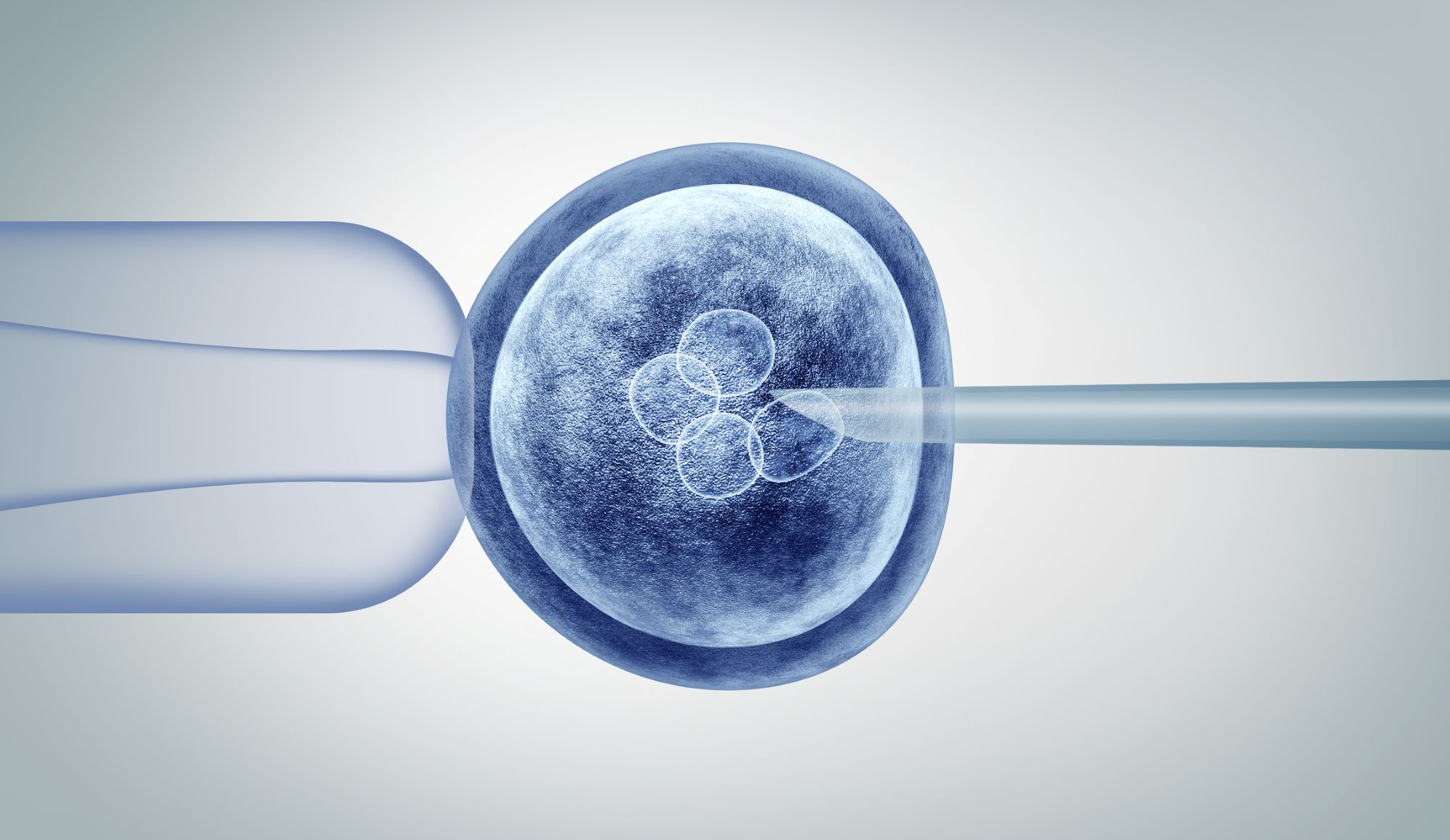
From CAR-T manufacturing in Stevenage to CRISPR production in Edinburgh, the UK has built a nationwide engine for advanced therapies. The task now is to lead in scalable, low-cost manufacturing, playing to the UK’s competitive advantage: innovation. The UK is Europe’s clear leader. In 2025, it hosted 57% of Europe’s cell and gene therapy trials...
-
Local approaches fall short for rare disease patients
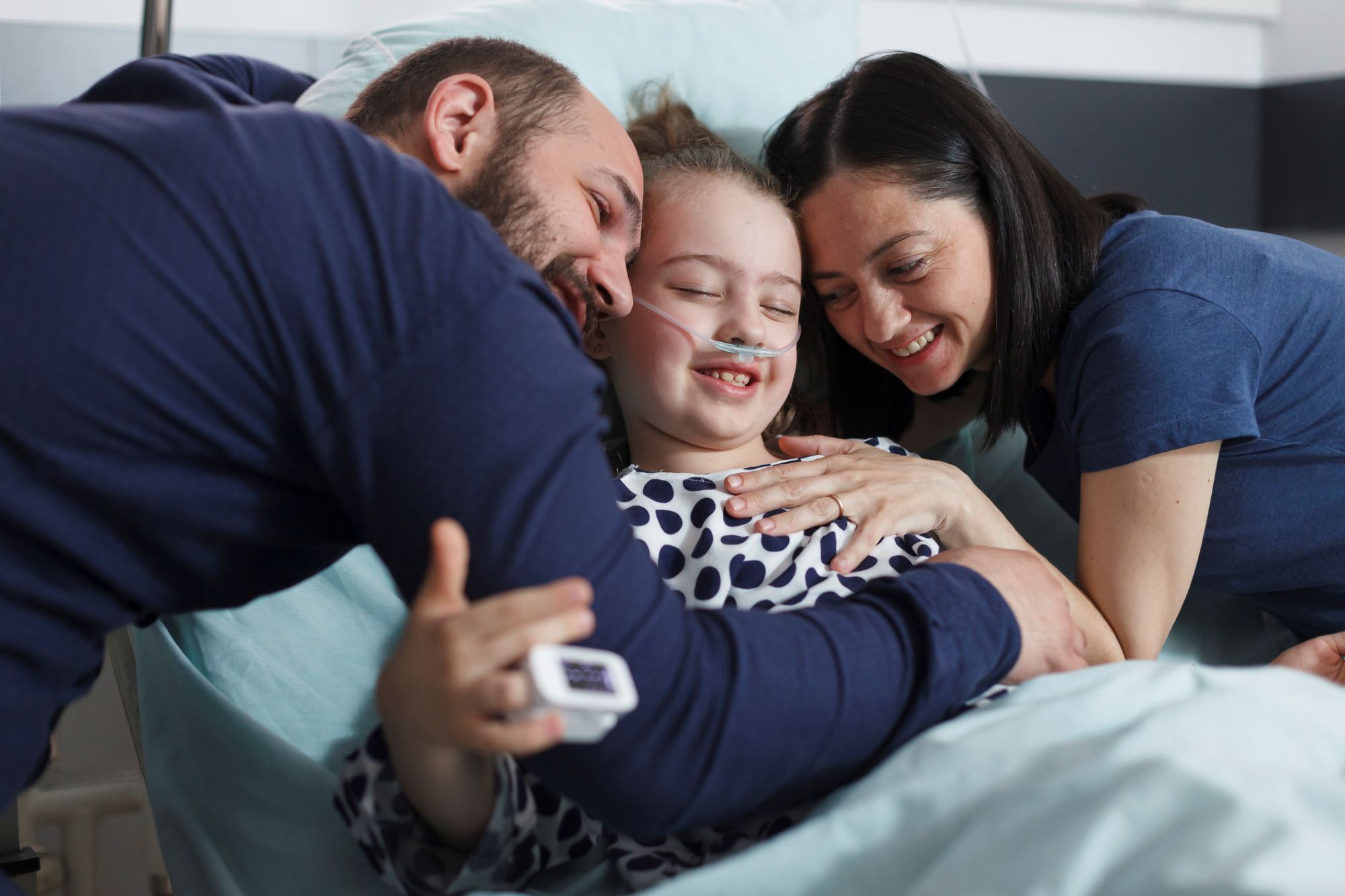
Rare diseases do not recognise geography. Yet, the infrastructure, funders and healthcare services supporting people affected by them are increasingly regional. For instance, recent changes to The National Lottery Community Fund’s Reaching Communities grant mean it no longer supports national work. Consequently, patient groups face a growing challenge: supporting communities spread across the country while...
-

Start the PBC conversation to help the unseen patients
It’s not easy living with an invisible condition: unseen, often undiagnosed, untreated and all too often misunderstood and alone. However, it doesn’t have to be this way. A tiredness that sleep doesn’t fix; an itch under the skin that cannot be scratched; undetected damage to the liver for years; these are common features of primary...
-
Genomic data matches patients with new treatments
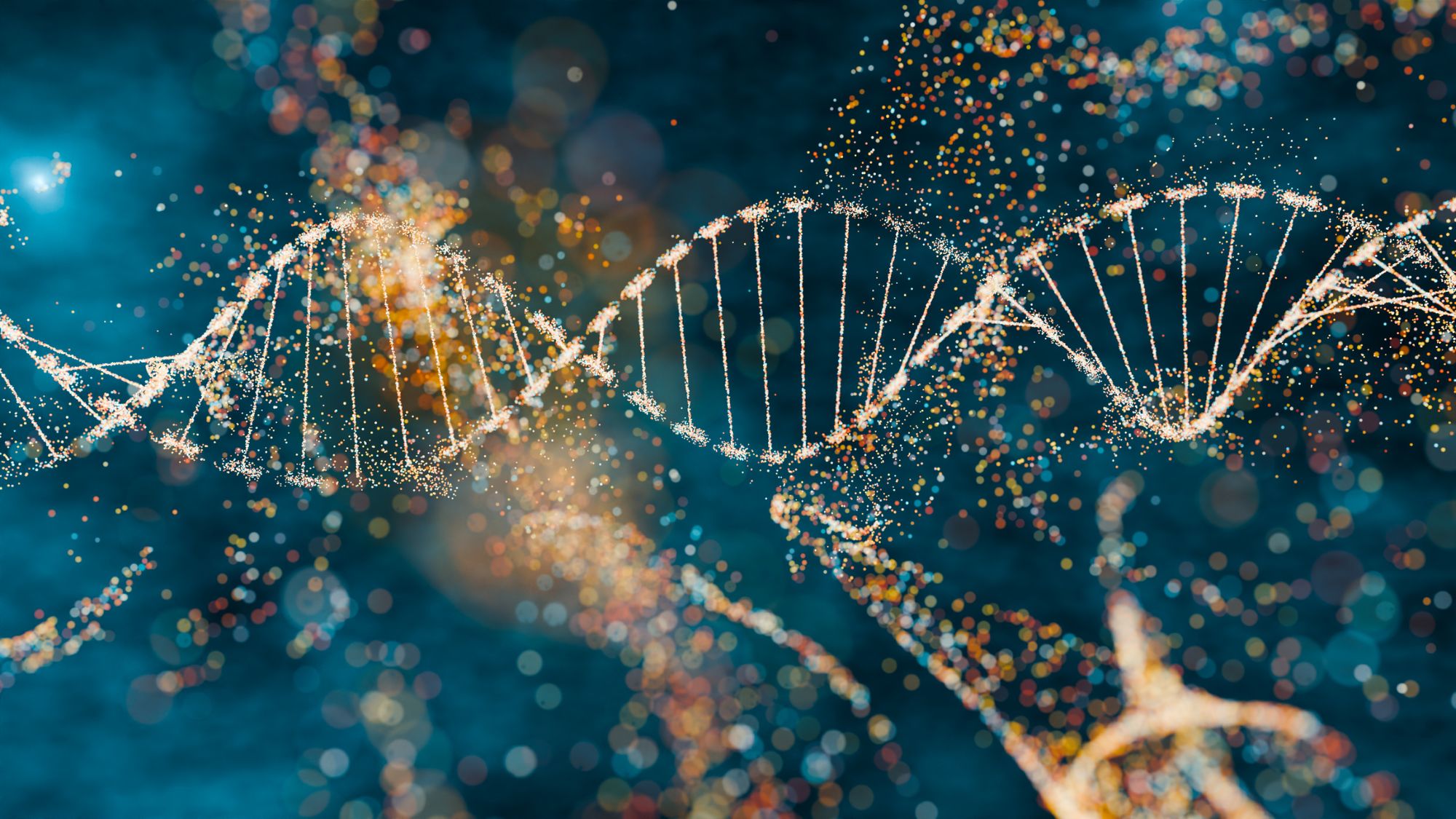
Genomic data is helping to identify eligible patients for groundbreaking treatments, with real opportunity to scale this for wider benefit. We’re in a golden age of medical innovation — but not access. Breakthroughs in genomics, artificial intelligence, rapid sequencing and next‑generation editing tools mean we can now design therapies that target the root genetic cause...
-
Natural history studies for rare diseases: What they are and why they’re important
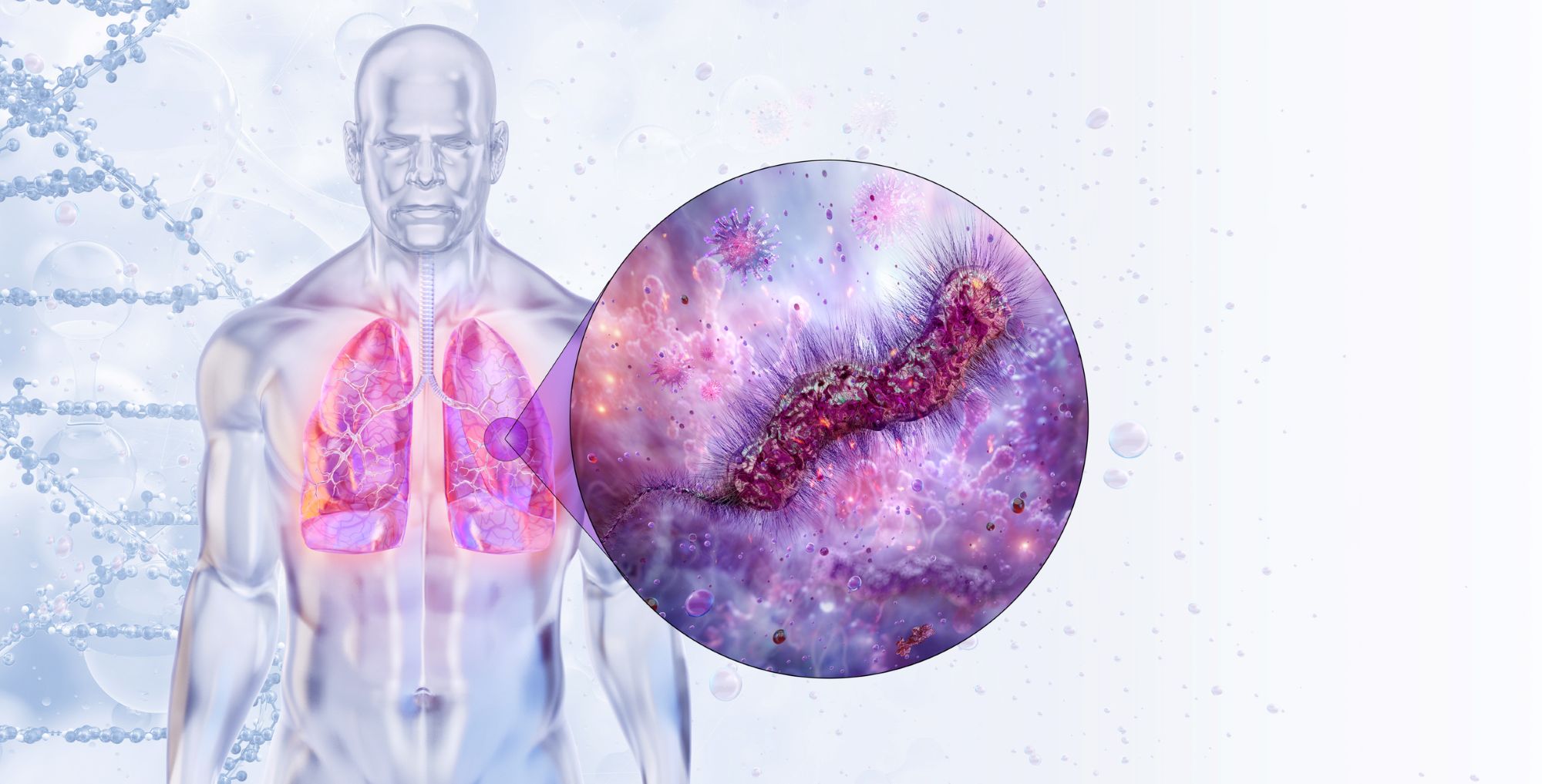
Natural history studies help us learn more about rare diseases and how to treat them. Here’s why they are important and how you can get involved. A natural history study documents the course of a disease over time in the absence of an intervention. Rather than testing a therapy, we observe systematically, applying the same...
-
How sequencing changes childhood
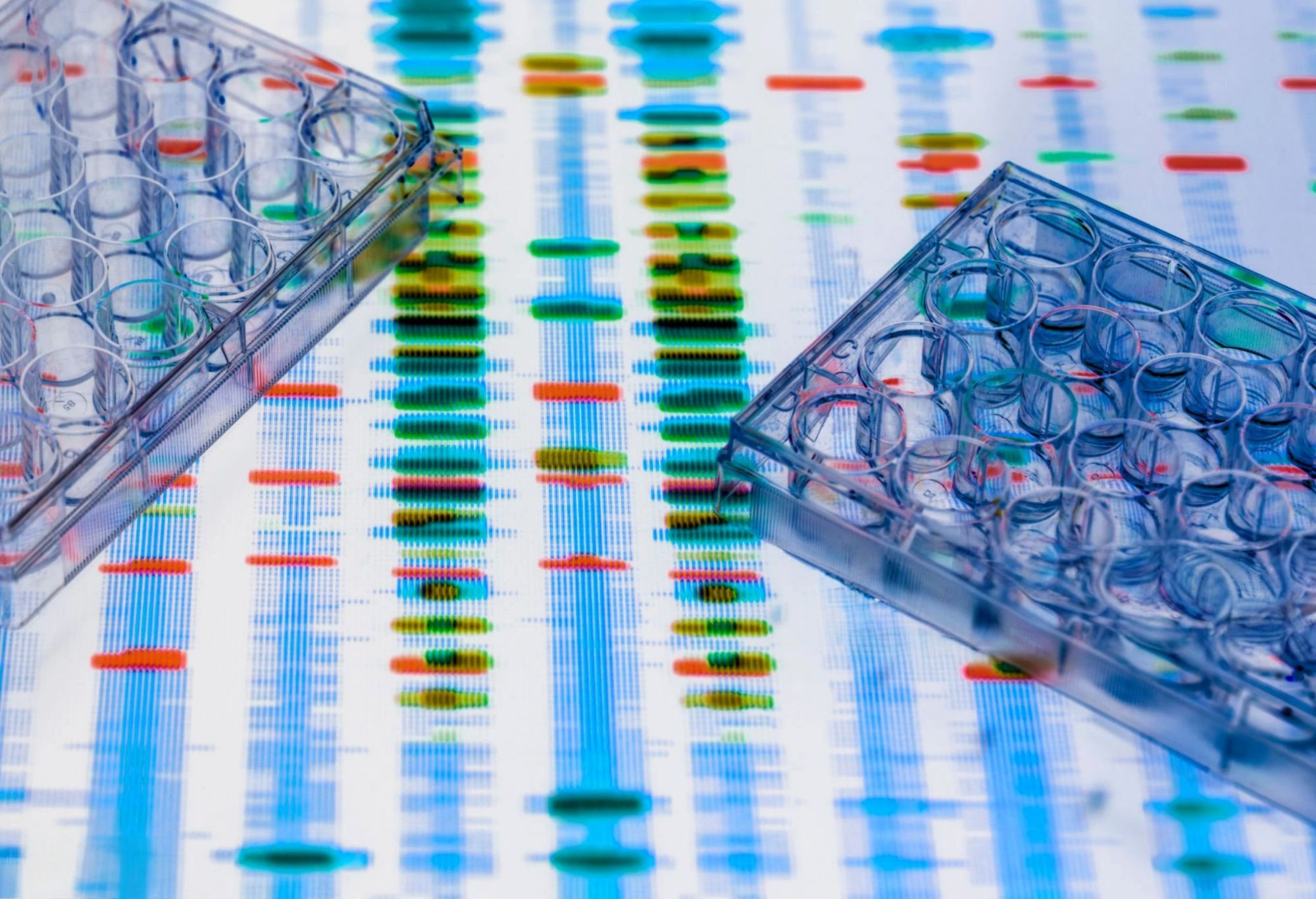
Genomic sequencing can change a child’s future, potentially leading to treatment, support and care close to home. A six-year-old girl couldn’t walk. To cross a room, she scooted on her bottom. Her family watched other children run, climb and play while they moved from appointment to appointment without an answer. Then, genomic sequencing identified her...
-

Newborn screening across EU needs to become more equitable
For many rare diseases, irreversible damage begins before symptoms appear. Newborn screening (NBS) can identify certain conditions shortly after birth, enabling timely care before serious harm occurs. Yet, access remains uneven across the EU. Only congenital hypothyroidism and phenylketonuria are screened in every Member State, while national panels range from fewer than 10 conditions to...
-

Improving rare disease outcomes with innovative financing
From outcome-based agreements to venture philanthropy, innovative financing is changing who carries the risk in rare disease care. Redistributing uncertainty Rare diseases carry inherent risk. Patients often wait years for a diagnosis, only to face continued uncertainty about the effectiveness of treatments. Manufacturers risk decades of research in therapies without a guaranteed return. Payers must...
-
Ensuring Africa is not left behind
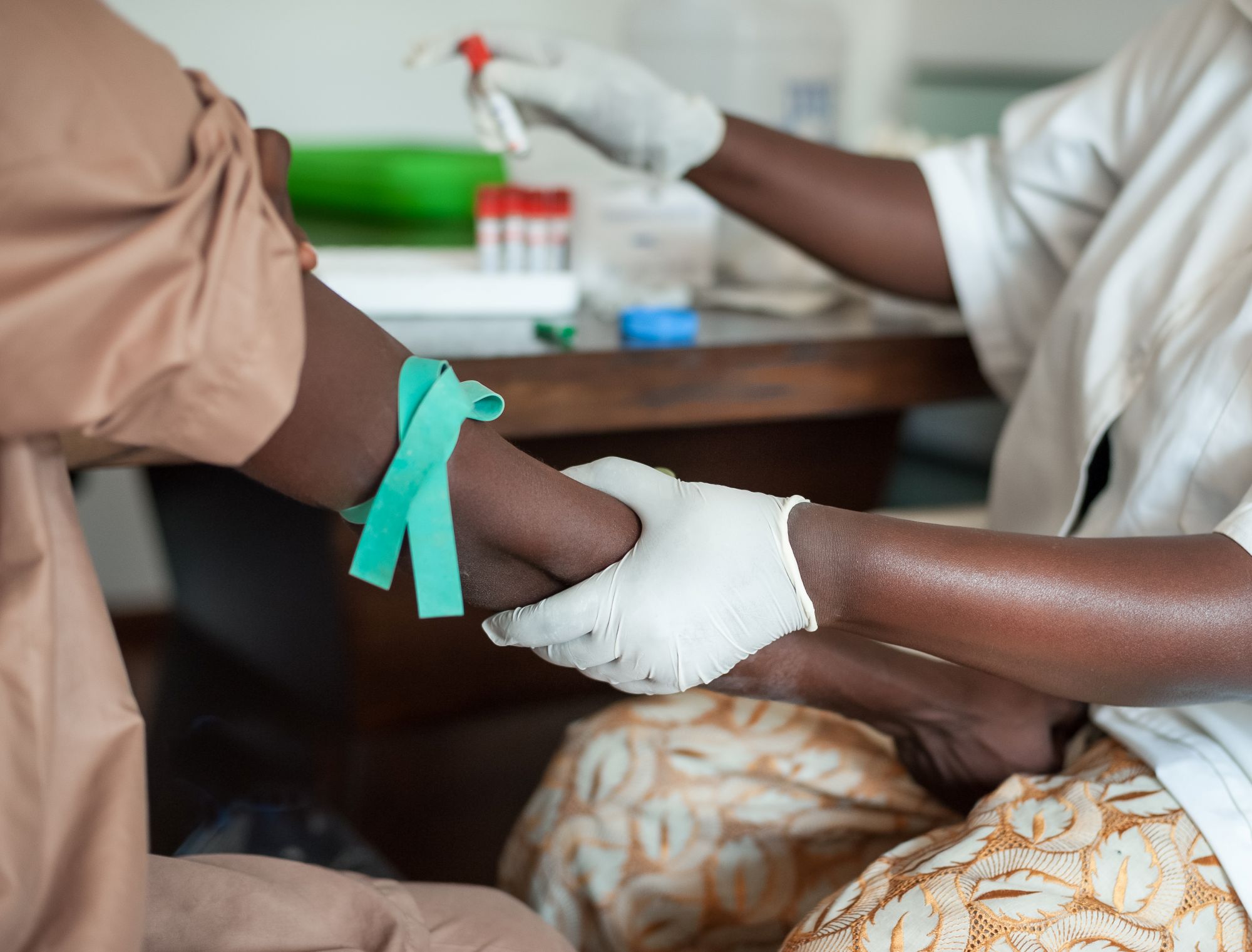
The WHA Resolution on rare diseases is historic. In Southern Africa, translating it into care means building from the ground up. In Zimbabwe, a family can wait several years to receive a diagnosis, not only because genetic testing is scarce, but because rare conditions are still widely attributed to curses or family wrongdoing. That stigma...
-
s Sponsored
Bioscience clusters drive drug development breakthroughs
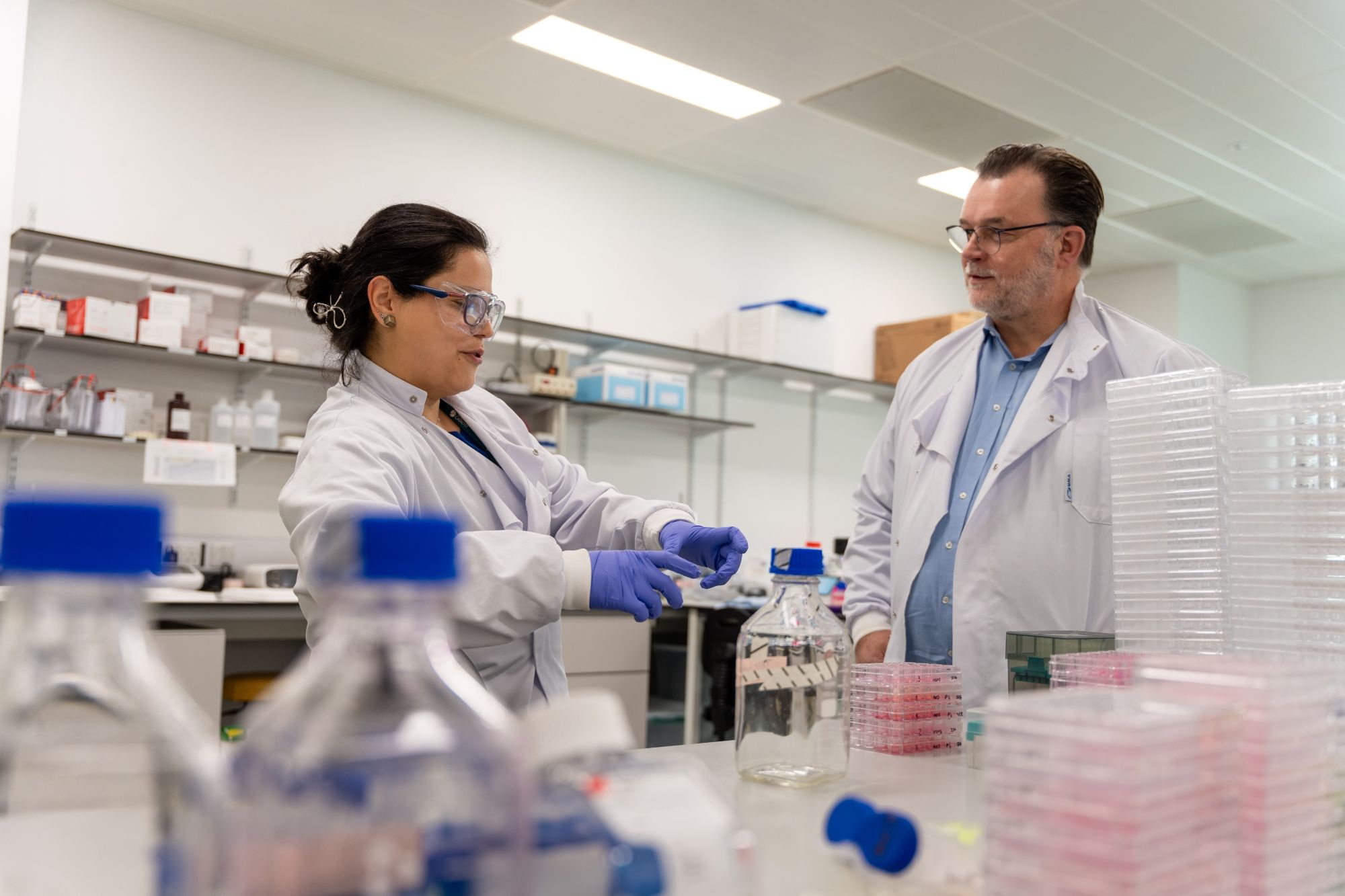
Bioscience clusters provide pharma companies with wraparound support, helping them accelerate innovation — and potentially deliver transformative medicines to patients. Drug and therapeutics development is notoriously time-consuming, expensive and risky. “Typically, it takes 10 years and at least £100 million of investment,” says Andrew Waters, CEO of Stevenage Bioscience Catalyst (SBC). “Unfortunately, the success rate...
-
s Sponsored
DNA ‘built without bacteria’ is changing the world of synthetic biology
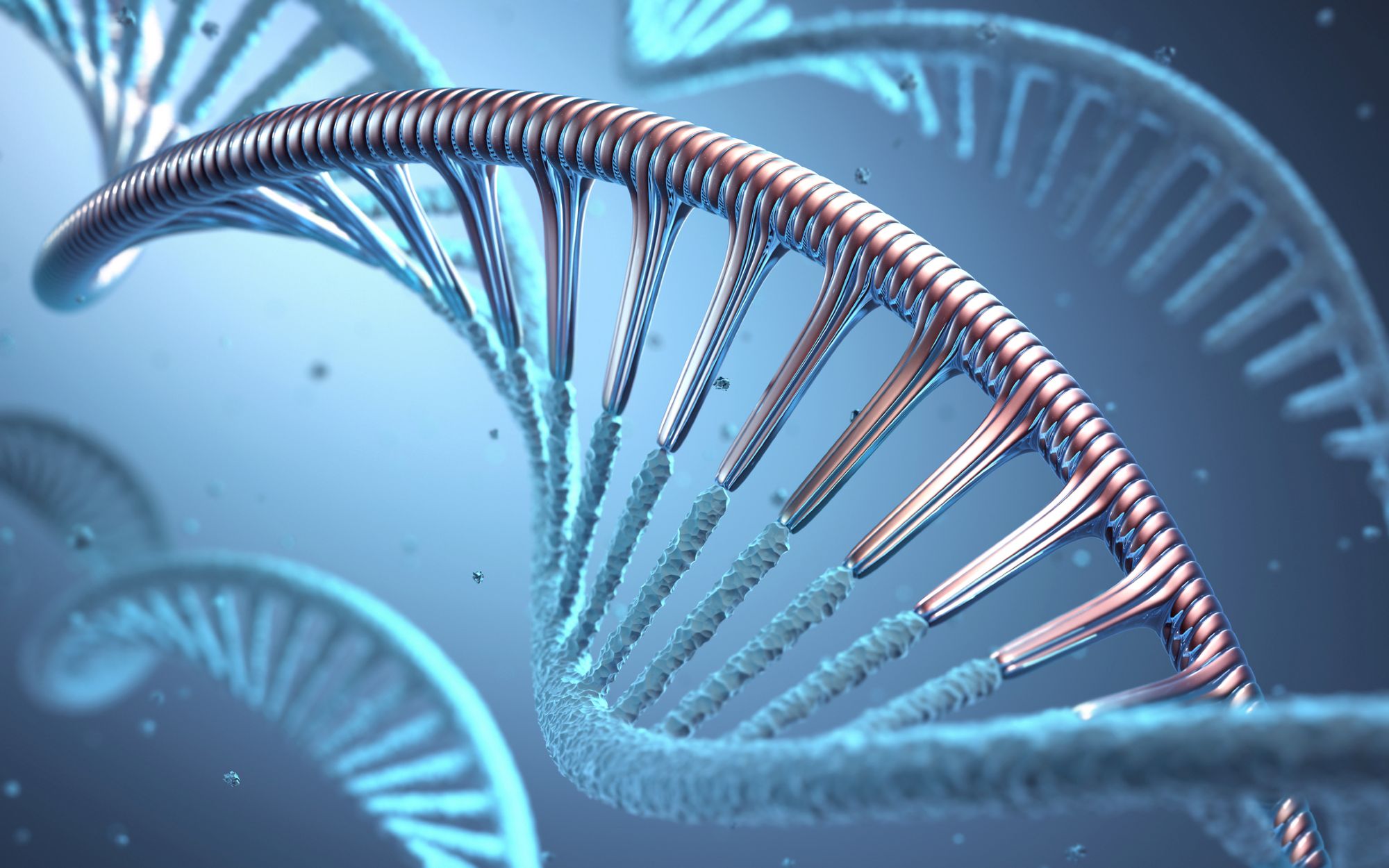
When cell and gene therapy (CGT) developers have access to complex and accurate DNA, it makes it easier for them to translate ambitious therapeutic designs into viable programmes. Jodi Barrientos, CEO of synthetic biology company Ribbon Bio, says: “In the next five years, we expect to see increasing numbers of biotechs working with cell-free DNA....
-
s Sponsored
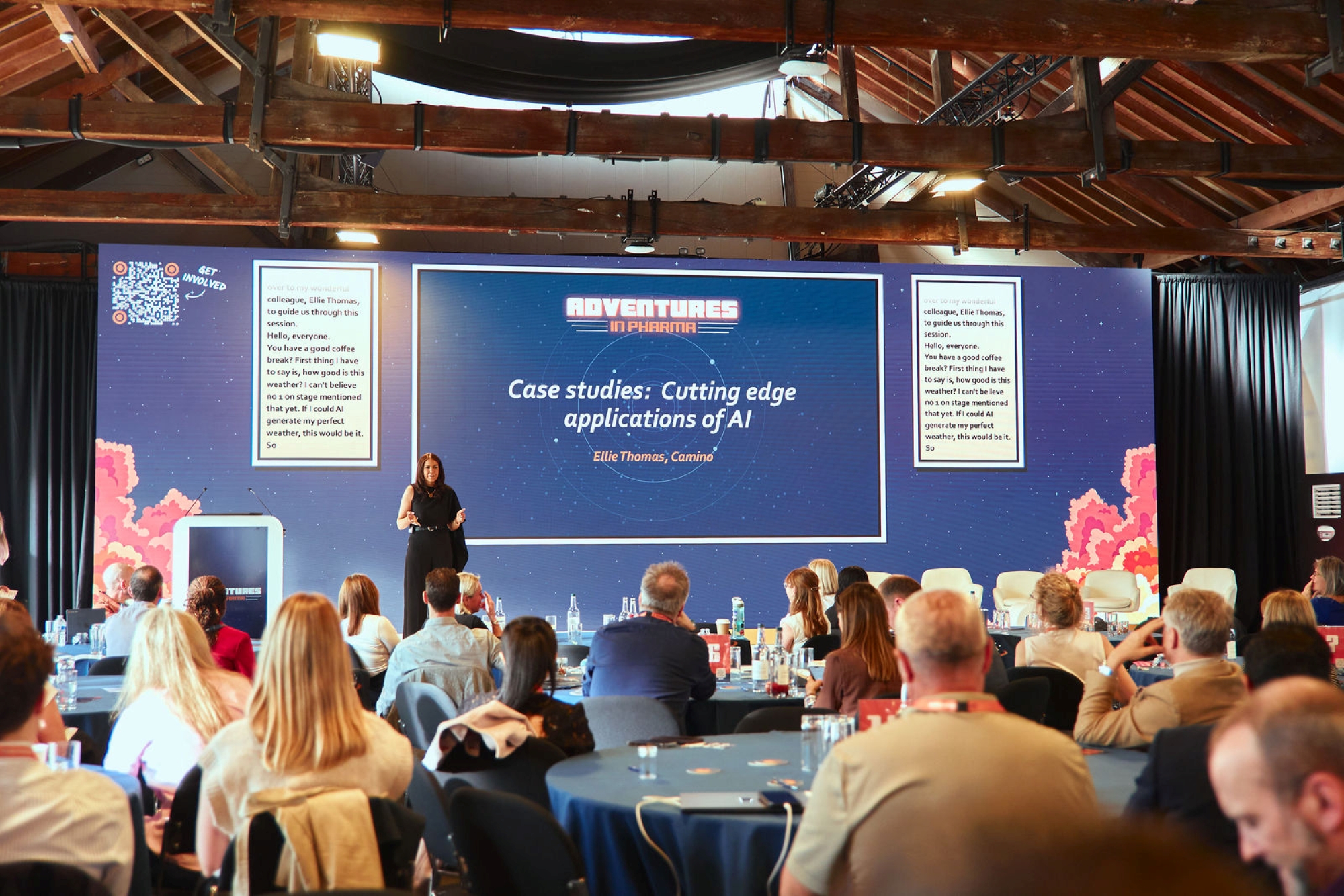
‘Appropriate intelligence’ for rare disease conversations
AI is already reshaping rare disease diagnosis. What if it could do the same for how we communicate with patients and healthcare professionals? A breakthrough year AI has enabled remarkable progress in rare disease. Among the advances in the last 12 months, AI can now: score genetic variants to flag likely disease causing mutations;¹ explore...
-

s Sponsored
Making more robust, fundable decisions in rare diseases
Rare disease health economics is being transformed with a new approach that manages limited data, assesses broader value and supports fairer funding decisions. At its heart, health economics is about squeezing the greatest health benefit from constrained healthcare budgets. That’s hard enough for common conditions, but for rare diseases, it’s an entirely different challenge. Challenges...