Health Awareness
Reproductive & gynaecological
-

s Sponsored
Understanding fertility tests: helping you find the best course of treatment
UI-NONF-00176 | June 2021 When thinking of having a child, it’s important you keep your body healthy and working well so your baby can develop with minimal risks of complications. Over the past thirty years, fertility science has helped millions of couples overcome their difficulties and have a family of their own. There are a range...
-

Providing reliable information about the fertility journey with IVF
Right now, you might feel like you’re the only person in the world who understands the pain, loneliness and heartache of infertility. But you’re not alone. IVF is tough. Infertility can make you feel like no one understands what you are going through. When people keep telling you to “relax and it will happen,” you probably feel hopeless and panicked. It’s not...
-
s Sponsored
NHS adopts blood test for pregnancy condition
Pre-eclampsia is being identified in pregnant women via a rapid, quantitative fluorescence immunoassay, being rolled out across the NHS in England. A highly specific blood test, is helping pick up the potentially dangerous condition of pre-eclampsia among pregnant women. PlGF (placental growth factor) testing is available across the NHS in England to identify the condition,...
-

s Sponsored
How a new generation of lasers can help improve women’s health and quality of life
The use of lasers to treat pelvic floor problems has become increasingly popular in recent years, thanks to new minimally invasive treatment protocols. Many women experience urine leakage and other bothersome symptoms of pelvic floor dysfunction during their lifetime; still, these are rarely talked about. The pelvic floor is a hammock of muscles and connective...
-
Why we need to reduce the stigma around endometriosis
Endometriosis affects 176 million people worldwide and costs the UK economy £8.2 billion annually. Yet many of us have never heard of it, the main reason being that we feel too embarrassed to discuss it. This most archaic of taboos and woeful of social stigmas is leading young girls to inherit a generational legacy of shame and biases. Shame around discussing...
-

Why women struggle to talk about vaginal atrophy
Vaginal atrophy is one of the more common of the 34 symptoms of the menopause, however it is unsurprisingly one of the least talked about. We know that there is an awareness problem with the menopause in general and that women just don’t realise it is coming. Layered into that, their intrinsic way of putting other people first and you...
-

Teaching women to be bold about gynae health
Gynaecological health affects every single woman we know, so why do we find it so hard to have the conversation? When working in clinic, I take pride in ensuring all patients leave feeling they’ve been heard and that I’ve answered their questions and concerns. Having over 135,000 followers on my social media account, now means I can educate...
-
s Sponsored
What’s the most important part of women’s health? Education
The fight for women’s healthcare continues, as both GPs and women themselves clamour for information. With a declining take up of HRT after the flawed WHI study, hormone related products were left to gather dust. Research stalled, companies even discontinued products. Theramex rescued crucial HRT products and fixed supply issues to once again provide GPs...
-

s Sponsored
How virtual consultations help GPs to better understand menopause
While women may feel that they are taking up precious resources, women’s health is still a top concern for clinicians such as GPs. Dr Jane Davis is a GP and British Menopause Society Specialist. She also fronts Rock My Menopause, a campaign of the Primary Care Women’s Health Forum (PCWHF), a group of 10,000 healthcare...
-
s Sponsored
GPs and menopause: How advice can differ and why
The impact of the media debate around the Women’s Health Initiative (WHI) study in 2002 is still being felt today as women and GPs lack confidence in HRT, despite newer studies confirming its effectiveness. For Dr Paula Briggs, previously a GP and now a Consultant in Sexual and Reproductive Health in Liverpool, many issues with...
-
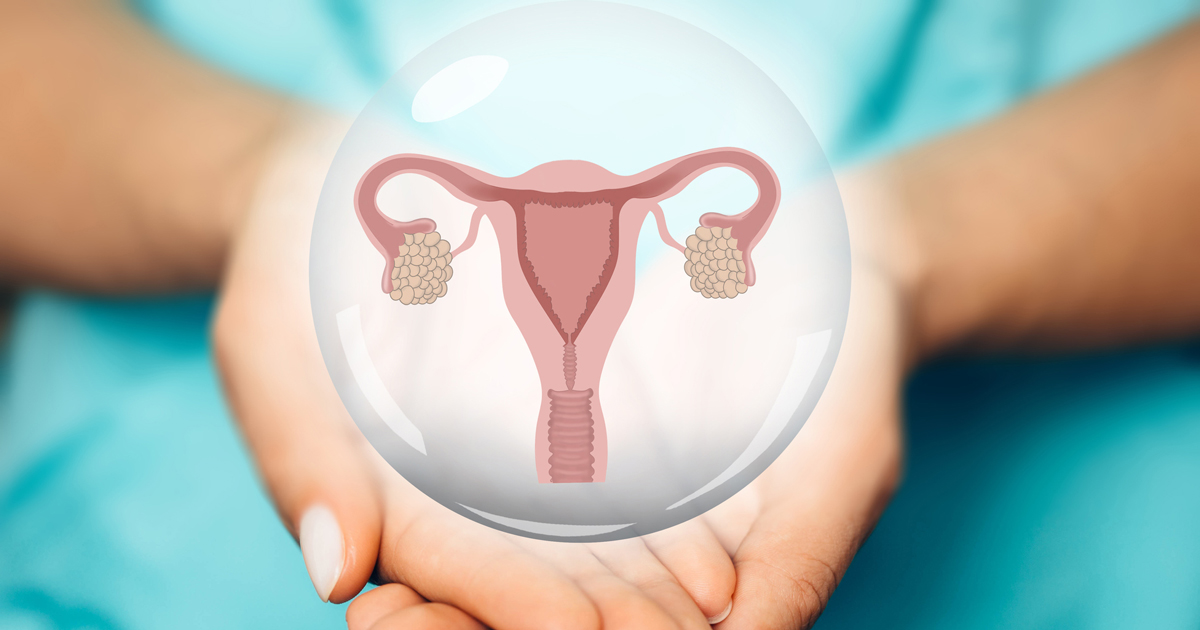
Time to give women reproductive choice
Increasing numbers of women in the UK are facing the stark choice of having to destroy their frozen eggs because of an outdated and unscientific law. Social egg freezing – freezing your younger, healthy eggs in order to be able to use them at a later date – has the potential to empower women, in...
-

Comprehensive relationships and sex education must include abortion
Young people have the right to access comprehensive relationships and sex education. Compulsory relationships and sex education is a step in the right direction, but teachers need the right resources to teach about topics such as abortion. In recent years, relationships and sex education (RSE) has been made compulsory in England, Wales, and Northern Ireland....
-
Smashing taboos is key to improving women’s health
Long before the COVID-19 pandemic, women were already facing barriers to accessing healthcare due to taboo and stigma. As a society we need to address these challenges. Recent headlines have been worrying, but hardly surprising. The pandemic has disproportionately affected women who are struggling to access basic health services such as contraception, fertility treatment, antenatal...
-

Challenges to improve care in endometriosis
Endometriosis is made up of many aspects and challenges; it is vital that we work collaboratively to improve the lives of those affected by the disease. Endometriosis is a disease of many illnesses. It is a disease that is surrounded by taboos, myths, delayed diagnosis, hit-and-miss treatments and a lack of general awareness – overlaid...
-

Being in control of your own healthcare
For Ovarian Cancer Awareness Month this March, it is important to raise awareness of the symptoms you need to know and why self-advocacy is important when it comes to your health. Evidence tells us that if you’re involved in your own healthcare decisions, you’ll not only have a better experience in the health system, but...
-

Fertility treatment delayed by COVID-19
Going through fertility tests and treatment is not an easy process at the best of times, but the COVID-19 pandemic has brought many added challenges with delays and uncertainty for patients. When the UK went into lockdown last year, fertility clinics across the country were asked to suspend assisted conception services and patients waiting to...
-
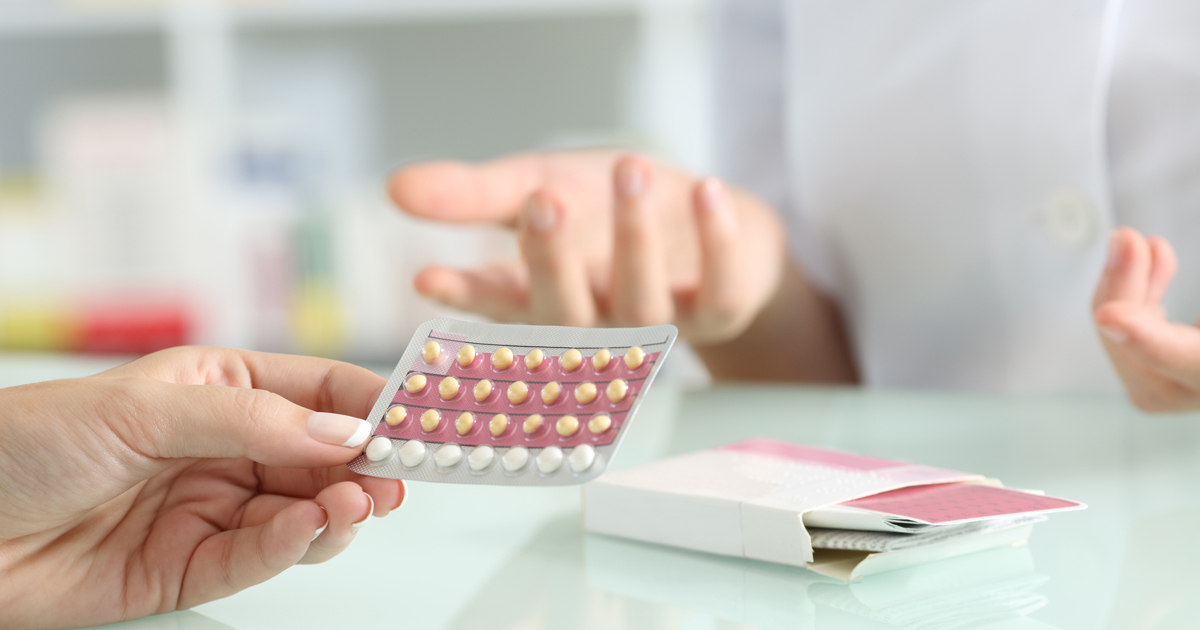
Why access to contraception is getting harder
Contraception is essential – it allows us as women to plan our lives. But for many, accessing contraception is becoming more difficult. Last September, the All-Party Parliamentary Group on Sexual and Reproductive Health, a cross-party group of MPs and Peers, published a report examining access to contraception in England. We found that women are finding...
-
How COVID-19 has impacted women’s health
The pandemic has negatively impacted many areas of women’s health, but in other ways it’s brought important issues to the forefront and forced through advancements in healthcare. This year has been an incredibly challenging year for the healthcare sector and sadly the ripple effect will have been felt by many women across the UK. Women...
-

My four years of perimenopausal despair
I was a 43 year old, happily married mum of four healthy kids with a lovely job, so I couldn’t understand why I would wake up each morning feeling really low and tired.