Health Awareness
Future of Imaging February 2019
-
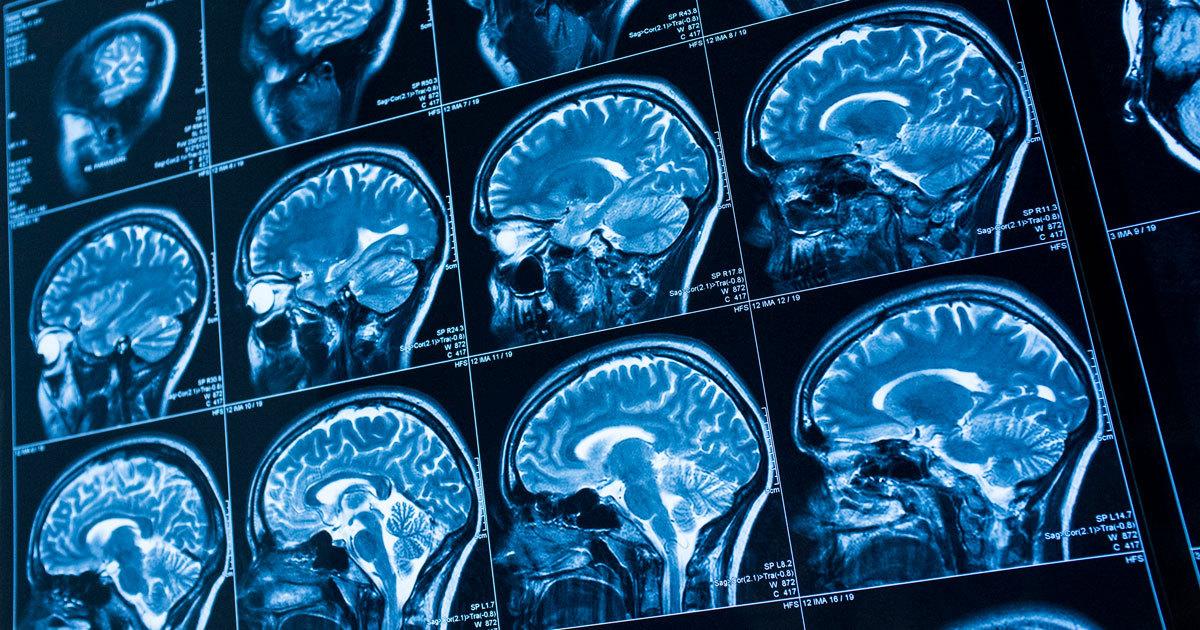
ECR 2019: where 28,000 imaging professionals get up to speed
How do imaging professionals keep up with the relentlessly expanding boundaries of imaging science? Events like the European Congress of Radiology (ECR) have the answer. Two numbers hold special significance for the European Society of Radiology (ESR) in early 2019. One we already know: 25. This is the number of ECRs that will have been...
-

How the power of pairing can tackle cancer
A new theranostic imaging technique, offering unprecedented levels of accuracy in diagnosing advanced prostate cancer, will soon be available for treating it. The theranostic tool is being hailed as a major step forward in diagnosis and treatment of metastatic castration resistant prostate cancer (mCRPC), which has returned and spread after standard androgen-deprivation treatment has become...
-

How can nuclear medicine, theranostics, and molecular radiotherapy benefit patients?
Nuclear medicine diagnostics and molecular radiotherapy (mRT) has always been ahead of the curve. Theranostics, multidisciplinary teams and just-in-time medicine are its business well before these became the future of healthcare. Theranostics For over sixty years, nuclear medicine has used tracer amounts of radioactive radioiodine to diagnose thyroid cancer. Areas of disease are highlighted by...
-

Touchscreen tables and giant boards make imaging more visible
Long-imagined in hit TV shows and films, futuristic devices for displaying diagnostic medical imaging data are now becoming a common sight across the NHS and universities. Patients’ diagnostic pathways are now all in one place Until now, a key cause for lost time in medicine was the disconnect between the display of radiology, pathology, cytology...
-

s Sponsored
Smart scanning and image interpretation
Artificial intelligence not only facilitates the generation of medical images. With its help, image data can also be interpreted in new ways – and diagnoses can be made more precise and meaningful. The idea is visionary, but nevertheless obvious: could artificial intelligence (AI) make diagnostic scans more precise and meaningful – and thus ultimately make...
-

What the AI revolution could mean for you
AI looks set to transform the world of imaging, cutting reading times, boosting accuracy, and improving patient care. Where is it now? Artificial intelligence (AI) has the power to revolutionise imaging, saving time, money and lives. Within the next few years it’s forecast to be a standard feature of UK healthcare – but what does...
-

Diagnostics centres to transform UK healthcare
There is a growing consensus that early detection and prevention of disease is the key to the future of healthcare and in particular cancer. Rutherford Diagnostics, a network of diagnostic centres, the first being built in Liverpool, is set to become a leader in this effort. Construction of a new state-of-the-art diagnostics facility in Liverpool...
-
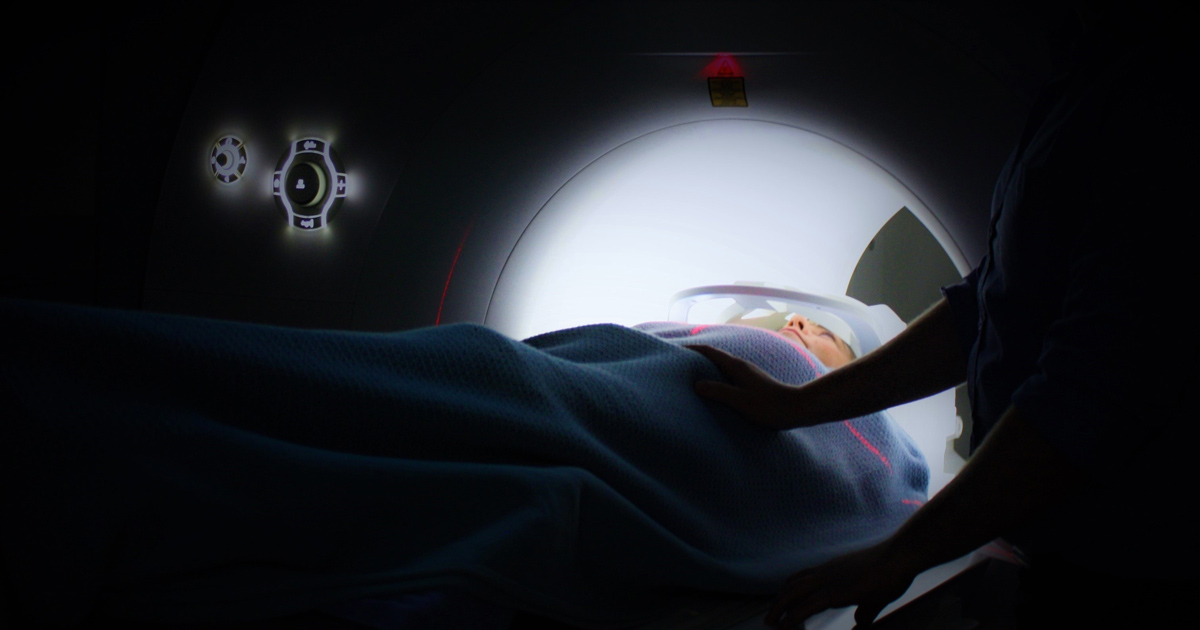
Imaging: the transformation of healthcare
This year we will commemorate the centenary of the birth of Godfrey Hounsfield, founder of the CT scanner. His discovery in 1972 changed the landscape of imaging and had a major impact on medicine in the second half of the 20thcentury just as the discovery of the X-ray by Röentgen did in 1895. Since then the world of imaging has grown exponentially. Today, it is routine practice for a medical condition to require a diagnostic scan, image guided intervention or therapy.
-

What are the top 3 trends affecting European radiology?
Brexit is already exerting an influence on European radiology, having contributed to untold numbers of radiologists and radiographers leaving the UK and returning to their native EU countries. This is a serious blow for the UK, but positive news for the healthcare system of other nations.