Health Awareness
Managing Diabetes Q2 2022
-

s Sponsored
Making personalised care and support work for people with type 2 diabetes
Personalised plans of care and support, created as part of a shared decision-making process with healthcare professionals have been shown to improve outcomes and empower people with type 2 diabetes in a recently published innovative new study. Proactive personalised care is about enabling people to understand the set of health choices that are available to...
-

s Sponsored
A needle-free CGM system is set to change Type 2 Diabetes care
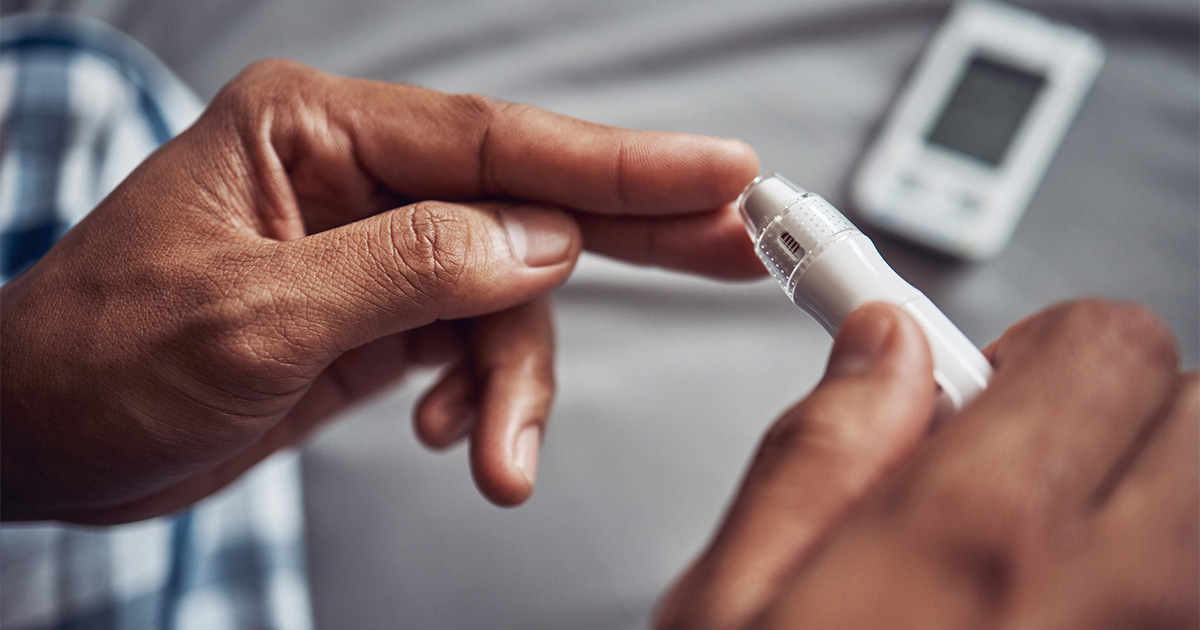
A new CGM system can help train users to keep their blood glucose levels within healthy ranges without the use of a needle. Needles are a part of the daily routines of a person living with diabetes, for checking blood glucose levels in Type 2 Diabetes, their continuous use can be challenging for many. Whilst...
-
s Sponsored
Harnessing innovation with life changing potential
One hundred years on from the first patient receiving insulin injections, scientists’ continued research is helping people with diabetes better manage their condition, reducing the burden of existing treatments and improving quality of life. Diabetes has reached pandemic levels, with 537 million people living with diabetes worldwide. In the UK, 4.9 million people have diabetes,...
-

s Sponsored
Chronic kidney disease associated with type 2 diabetes: testing could help save lives
Chronic kidney disease is a common complication of type 2 diabetes, yet many patients and healthcare practitioners do not understand it. There are now around 4.4 million people with type 2 diabetes (T2D) in the UK, including an estimated 1 million who are undiagnosed. About one in ten of the over 40s have it –...
-

s Sponsored
Type 1 diabetes from the perspective of an active 11-year-old
Skye, an adventurous 11-year-old Omnipod® user shares her experience identifying the signs of type 1 diabetes. She started her diabetes management during the global pandemic and faced a diagnosis challenge. It can be easy to miss the signs and symptoms of diabetes. It’s even easier to miss them in the middle of a global pandemic,...
-

s Sponsored
Low calorie diets can contribute to diabetes remission
According to recent research, following a low calorie diet through meal replacements can contribute to sending type 2 diabetes into remission. The ‘Diabetes Remission Clinical Trial’ (DiRECT study) has been investigating the impact of low-calorie diets on those living with type 2 diabetes. The latest findings have shown that over a third of people who...
-

The importance of widening access to glucose monitoring technology
Updated NICE guidelines aim to help people with diabetes get access to the right technology, resources and information and improve the management of their condition. Daniel Newman knows all about the challenges of living with type 1 diabetes: he was diagnosed with diabetes when he was just 10 years old. Now, 25 years later, he...
-

Helping people live their best lives through an online diabetes community
Two girls share their experiences of living with their diabetes and how their online presence has helped to connect people living with diabetes. Q: When were you diagnosed with diabetes and how did you and your friends/family react? Ellen – I was diagnosed with type 1 diabetes the week before I turned seven, so it...
-

s Sponsored
A targeted campaign has reduced blindness risk in South Asians
Researchers show that vision loss due to diabetes can be largely prevented with culturally and linguistically appropriate information. Many people with diabetes know that blindness is a major risk of uncontrolled diabetes. People of Asian and Black ethnicities, older people and those who have had diabetes for a long time, have an even higher risk....
-

Diabetes is serious and missed checks can be devastating
There is an immense backlog facing diabetes care. We need to do more to help tackle it and make diabetes a greater priority within the healthcare agenda. Diabetes cannot be switched on and off. It’s a serious condition and it is with you constantly. Imagine not being able to get the essential checks, care and...
-

Educate today to protect tomorrow
One in nine adults will be living with diabetes by 2030. Healthcare professionals and people affected must be equipped with the knowledge to understand and manage the condition. Diabetes represents a significant challenge to global health and development. It is responsible for almost seven million deaths per year, according to latest figures from the International...
-

Greater awareness is needed of diabetes mental health impact
Type 1 diabetes is a life-long health condition, requiring continual self-management. The result of which can have a significant impact on peoples physical and mental wellbeing. Type 1 diabetes occurs when the pancreas can no longer produce the hormone insulin. People living with type 1 diabetes require life-long treatment with insulin either in the form...
-
It’s no joke – getting the facts straight on type 1 diabetes
The myths and misconceptions that underlie jokes around diabetes have a real impact on those living type 1. I won’t name names, but two statements were broadcast on national prime time TV: “That’s diabetes on a plate” and “I think I’ve just developed diabetes.” As a type 1 diabetes charity, our supporters have told us...