Health Awareness
Neurological Conditions 2025
-
A data-driven acquired brain injury strategy can change lives
Government leadership can join up data, raise awareness and transform quality of care for the millions living with acquired brain injuries. Acquired brain injuries (ABIs) are a shrouded spectre in public health. These ‘hidden’ disabilities affect the lives of millions of Britons, but the public and responsible professionals alike are broadly ignorant of their pervasiveness...
-

s Sponsored
Global partnerships and patient-centricity fuelling neurological innovation
Neurology-focused pharmaceutical company accelerates research into neurological treatments with equitable access. Medical innovation is accelerating at an unprecedented scale. Harnessing the full ecosystem of patients, caregivers, clinicians and payors is quickly becoming an essential component in the development of treatments that are not only effective but practical and accessible. Ecosystem of neurological product development Stefan...
-

Navigating life after stroke and the road to recovery
Life after a stroke is a lifelong journey. With the right care and support, survivors can rebuild their lives and regain independence. Stroke is one of the leading causes of death and disability worldwide. Each year, nearly 1.5 million people suffer a stroke in Europe. It can be devastating and deeply affects survivors and their families....
-
s Sponsored
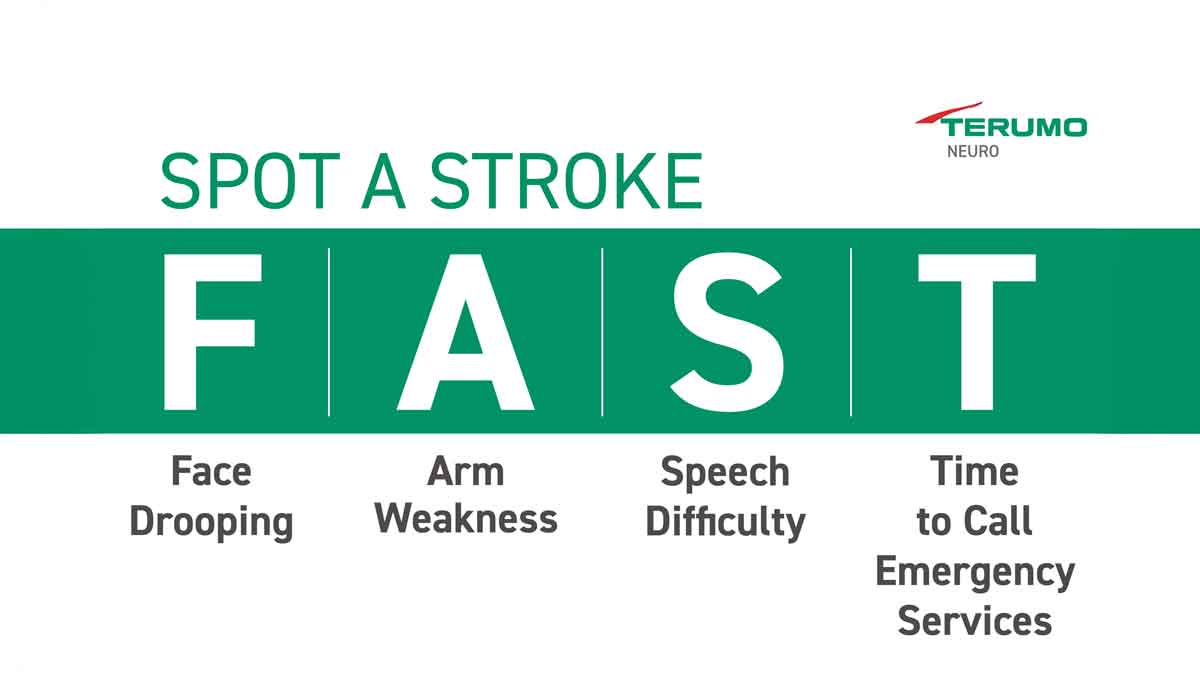
Time is brain: leader in stroke and brain aneurysm medical device innovation
Global neuroendovascular innovation leader urges, ‘Time is brain,’ developing groundbreaking ischemic stroke and brain aneurysm medical device technology deeply rooted in clinical evidence and physician collaboration. Amplified by the American Stroke Association, the globally recognised acronym F.A.S.T. (Face drooping, Arm weakness, Slurred speech, Time to call emergency services) was created to ensure a speedy and...
-
s Sponsored
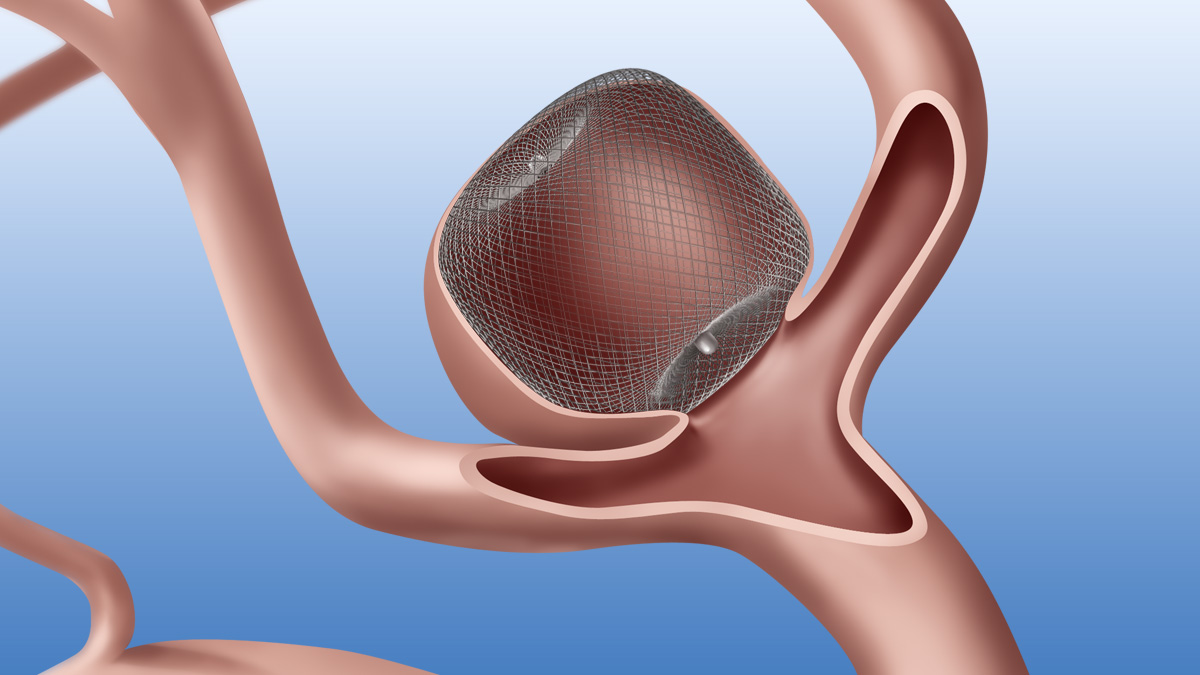
Advancing the field of stroke and brain aneurysm therapy through innovation
Incorporating physician feedback into the stroke and brain aneurysm device innovation process can more accurately address clinical needs, explains Carsten Schroeder, President and CEO of Terumo Neuro. Can you provide an overview of the company and the conditions you treat? Our neuroendovascular business originated as MicroVention, a California-based company acquired by Terumo in 2006. We...
-
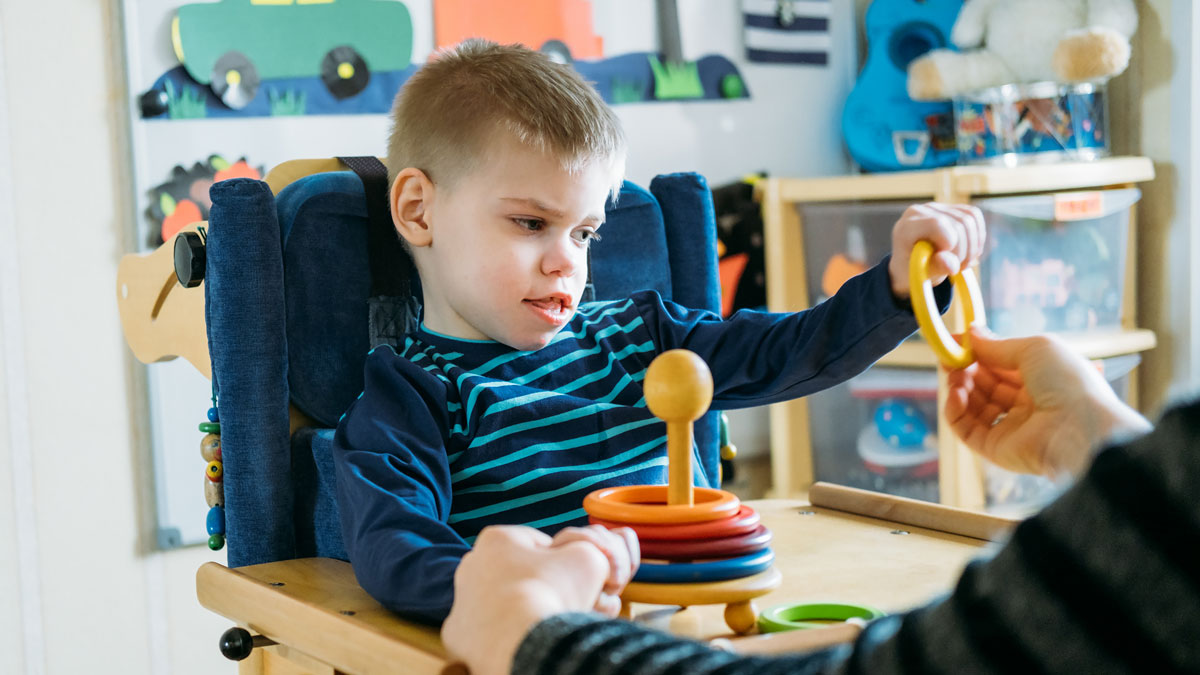
Living with cerebral palsy and why society’s perception needs to change
Cerebral palsy (CP) is a lifelong condition affecting movement and muscle control. Despite its prevalence, it remains overlooked and misunderstood. Cerebral palsy (CP) is caused by an issue with the brain that develops before, during or soon after birth. It is a condition that affects muscle control and movement. It is the most common lifelong...
-

Discover cervical dystonia with key insights from the patient journey map
Cervical dystonia affects daily life in significant ways. Understanding the patient journey helps improve care, support and awareness of this condition. Living with dystonia presents unique challenges, making it essential to understand the patient’s journey for better care and support. In collaboration with the European Reference Network for Neurological Diseases (ERN-RND) and with support from...
-

Dystonia signs, symptoms and how to get help in the UK and beyond
Dystonia is a neurological movement disorder affecting over 100,000 people in the UK, yet so few have heard of it. We aim to change that. What is dystonia? Dystonia is a neurological movement disorder. However, there is so much more to this often misunderstood condition. Dystonia causes uncontrollable muscle spasms, triggered by incorrect signals from...
-

Dementia is a growing health crisis — we must get care right
The Health Secretary has ambitious plans to fix the NHS. Transforming dementia care must be on his agenda. All eyes are on Wes Streeting, Secretary of State for Health and Social Care, as he prepares to unveil a plan to reshape the NHS over the next decade. With nearly 1 million people living with dementia...
-
What people affected by Parkinson’s can do now to access healthcare
Parkinson’s is the fastest-growing neurological condition, affecting 153,000 people in the UK. With over 40 symptoms that evolve, each person’s experience is unique, and there is currently no cure. Receiving the right care from health professionals following a diagnosis is important to ensure symptoms are well managed. Types of Parkinson’s professionals A Parkinson’s healthcare team...
-

Health literacy: a lynchpin to improved quality of life for neurology patients
Health literacy refers to the ability to access, understand, appraise and use information and services to promote and maintain good health and wellbeing. Health literacy is vital in neurology. Many neurological symptoms are difficult to describe, leading to misdiagnosis and delays in care. Health literacy empowers patients and clinicians The more people understand their brain...
-

National and international collaboration to improve life after stroke
There have been major advances in the treatment of stroke. Drugs and procedures administered in the first hours following a stroke can be life-saving and life-changing. Stroke (an interruption of the blood supply to the brain) is a devastating condition and the most common cause of death and disability in the world. Improving life after...