Health Awareness
Understanding The Brain 2020
-

You can help the one in six living with a neurological disorder
One in six of us in the UK has a neurological disorder. That’s more than those affected by coronary heart disease, cancer and diabetes combined. Supporting these 14.7 million people is therefore vital, if costly, work. It is a staggering statistic, that one in six of us suffers from a neurological disorder, such as stroke, brain tumours,...
-

Why epilepsy is about more than coping with seizures
Epilepsy can cause seizures and developmental problems, and may not respond to medication. Yet those with a drug-resistant form of the condition still have treatment options. Epilepsy — a serious neurological condition which can cause seizures — affects around 600,000 people in the UK and is a surprisingly common childhood disorder. “Thankfully, the majority of...
-
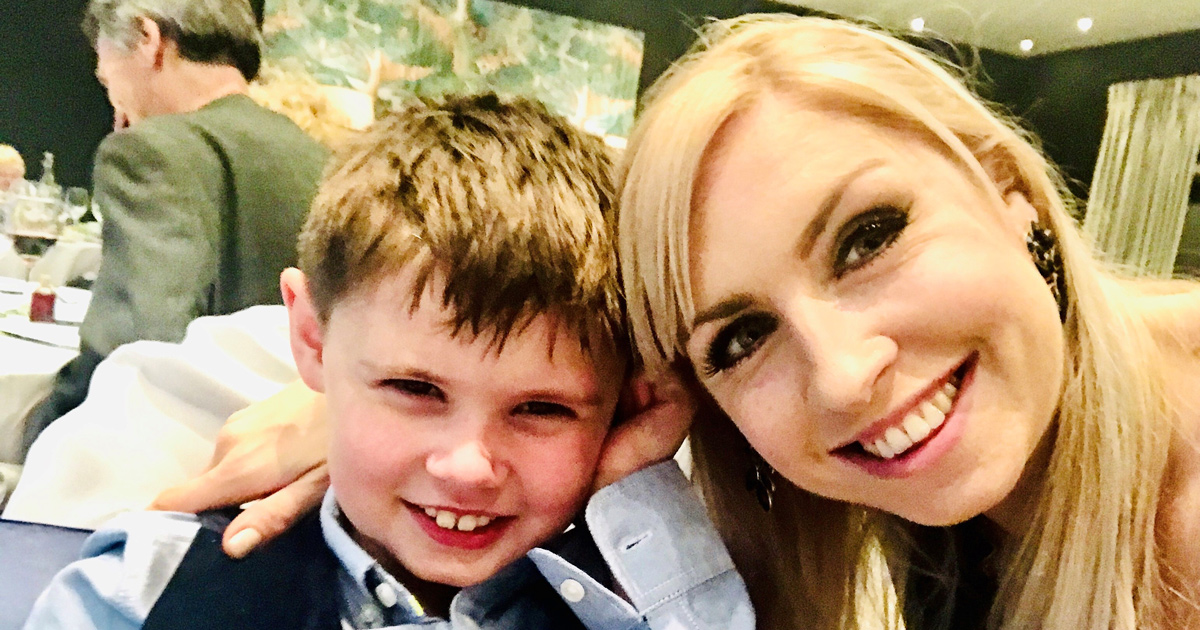
Measuring successful treatment outcomes for epilepsy, for children like Harry
Successfully treating epilepsy isn’t simply about reducing seizures, say two lead nurses for epilepsy surgery. It’s also about improving the quality of life for patients and their families. Treatment for epilepsy — drug-resistant or otherwise — can be challenging and vary for everyone. Ultimately, the aim of any treatment is to stop, reduce or control...
-
Less stagnation, more innovation – removing barriers to advancing mental health therapies
There haven’t been any major innovations in mental health therapies since the 1990s. Why is progress so slow, and what can we do about it? How important is mental health care in UK? At any one time, one in six people in England are affected by common mental health disorders, which vary in symptoms, recurrence...
-

Dealing with the myths and stigma attached to epilepsy
When Nina Mago was a toddler, she would sometimes run to one of her parents and hug them tightly around the legs. They assumed she was frightened or just being affectionate, but in hindsight, it’s likely that Nina was having a seizure and needed something to hold onto. At first, doctors in Uganda told Anita...
-
The silent emergency of brain disorders
The human brain is immensely complex. It is the control centre of our bodies, directly affecting every vital function, ranging from our heartbeats, breathing, food and fluid intake, sleep, emotions and sex. A healthy brain is the ultimate prerequisite for quality of life and sustainable well-being. 2014 figures indicate that 179 million Europeans live with...
-

Why I’m confident research could stop MS like mine
Jacqueline Krarup is one of over 130,000 people living with MS in the UK. She explains why research is so important to her, and why she believes MS can be stopped. When I woke up one morning in 2008, with double vision, I brushed it off as a problem with my glasses’ prescription. But, after...
-

We’re on the cusp of stopping MS
Despite dramatic progress in treatment, MS remains a devastating diagnosis. But, Dr Susan Kohlhaas explains, stopping MS is finally a very real prospect. Twenty-five years ago, a multiple sclerosis (MS) diagnosis was even more terrifying than it is today. With no treatment available on the NHS, it meant going through life not knowing if you’d...
-

#LIFEGOALS vs. #BRAINLIFEGOALS
Sharing #LifeGoals has become a popular trend in social media. These #LifeGoals are often frivolous wishes like living in a beach hut in the Bahamas, driving a Maserati or buying a ridiculously expensive designer handbag! So, what are #BrainLifeGoals? The European Federation of Neurological Associations [EFNA] has put a new spin on this trend by...
-

Epilepsy: The common disease that’s still in the shadows
Epilepsy affects more than 50 million people worldwide—but most of them aren’t receiving treatment. Why? Epilepsy seizures are caused by abnormal electrical signaling in the brain. Most people probably think of a seizure as jerking or thrashing, but there are other types too. Some look like the person is ‘spacing out’; during other types, people...