
Trudie Lobban
MBE, CEO, Arrhythmia Alliance
Pay attention to your heart health before a serious event, like heart disease or stroke, occurs. Start by knowing your pulse and your blood pressure.
For generations, preventing heart disease meant eating healthier, exercising, quitting smoking and maintaining a healthy weight. Those habits remain the foundation of good heart health. Today, prevention also means detecting problems earlier. Two simple habits can make a difference: know your pulse and know your blood pressure.
Consequences of high blood pressure
About one in three people in England with high blood pressure don’t even know they have it.1,2 Even fewer realise it also increases the risk of atrial fibrillation (AF), the most common heart rhythm disorder. 3 In AF, the upper chambers of the heart beat fast and irregularly instead of keeping a normal rhythm. Both conditions increase the risk of heart disease and stroke.4,5 People with high blood pressure have about a 50% higher risk of developing AF than those with healthy blood pressure. 6
Monitoring is easier than ever.
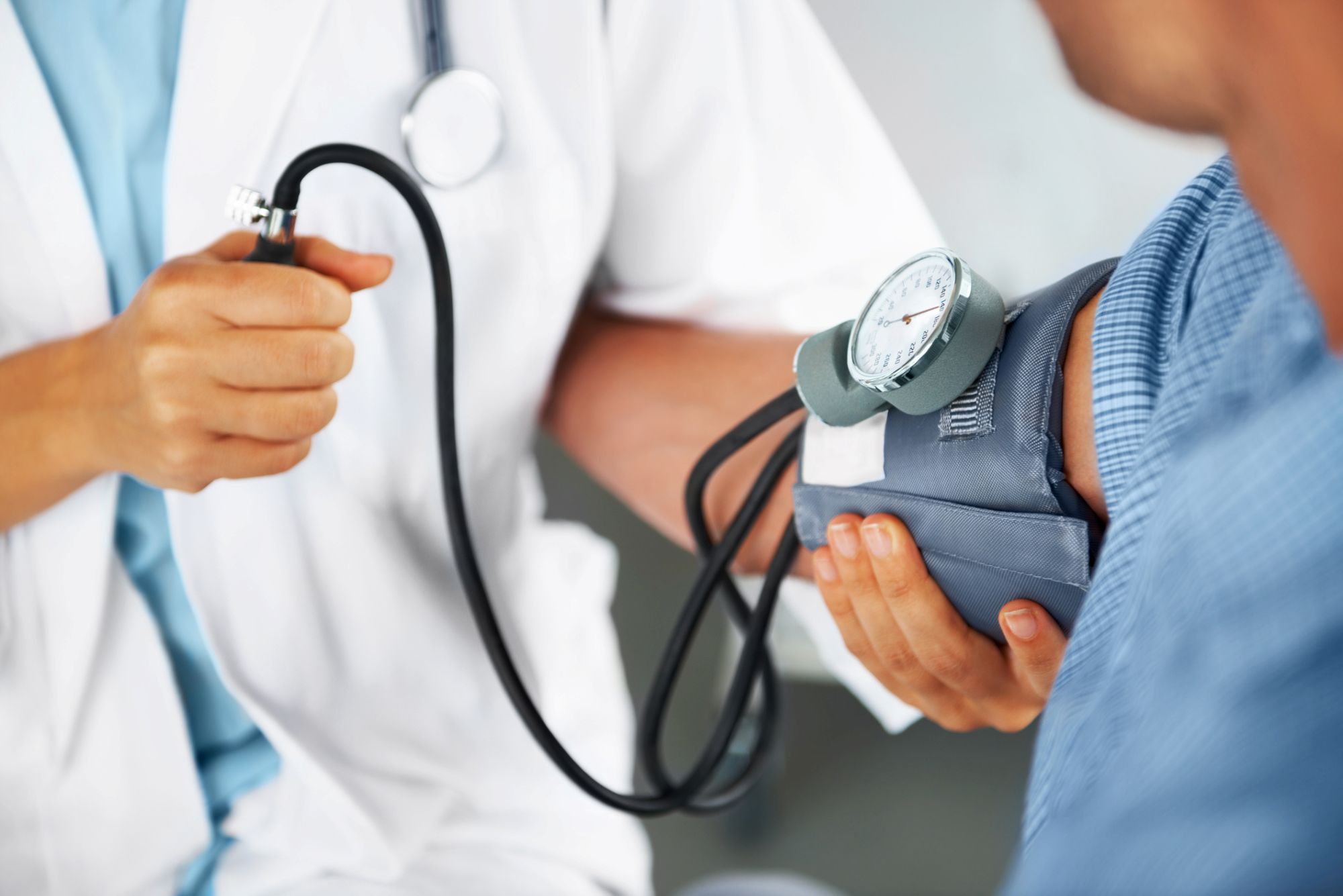
Home blood pressure monitors can help you track your readings over time
Silent conditions need monitoring
One of the biggest challenges is that both high blood pressure and AF can be silent conditions; you may have no symptoms and feel completely well.7 Without regular monitoring, they may go undetected until a serious event occurs.
Monitoring is easier than ever. Home blood pressure monitors can help you track your readings over time. Some devices can also record an ECG that may help detect an irregular heart rhythm.8 Learning to check your pulse is another simple, free skill you can do anywhere. It helps you recognise what is normal for you and when something has changed. However, home monitoring does not replace medical care. If you notice an irregular pulse or an abnormal blood pressure reading, talk with your healthcare professional, who can recommend appropriate tests and treatment if needed.
Know how to protect heart health
Sometimes the first step toward prevention is simply knowing: knowing your pulse, knowing your blood pressure, knowing when something isn’t normal. This awareness can help you recognise problems earlier, start important conversations with your healthcare team and take an active role in protecting your heart.
[1] Office for National Statistics. 2023. Risk factors for undiagnosed high blood pressure in England: 2015 to 2019. tinyurl.com/yc6ffwr5.
[2] Fryar, C. D. et al., 2024. sion prevalence, awareness, treatment, and control among adults age 18 and older: United States, August 2021–August 2023 (NCHS Data Brief No. 511). National Center for Health Statistics. https://doi.org/10.15620/cdc/164016
[3] Gawałko, M., et al. 2024. Diet and risk of atrial fibrillation: a systematic review, European Heart Journal, Volume 45, Issue 40. doi.org/10.1093/eurheartj/ehae551.
[4] National Institute for Health and Care Excellence. 2019. Hypertension in adults: Diagnosis and management (NG136). NICE. nice.org.uk/guidance/ng136
[5] National Institute for Health and Care Excellence. 2021. Atrial fibrillation: Diagnosis and management (NG196). NICE. nice.org.uk/guidance/ng196
[6] Aune D., 2023. Blood pressure, hypertension and the risk of atrial fibrillation: a systematic review and meta-analysis of cohort studies. Eur J Epidemiol. 2023 Feb;38(2):145-178. doi: 10.1007/s10654-022-00914-0.
[7] National Institute for Health and Care Excellence. 2021. Atrial fibrillation: Diagnosis and management (NG196). NICE. nice.org.uk/guidance/ng196
[8] National Institute for Health and Care Excellence. 2019. Lead-I ECG devices for detecting symptomatic atrial fibrillation using single time point testing in primary care (HTG508). NICE. nice.org.uk/guidance/htg508