Maeva May
Director of Policy and Research, Stroke Association
Learn how to spot a stroke and the value of prevention. Simple checks (such as blood pressure monitoring) and lifestyle choices can help reduce the risk of stroke, which can cause long-term disability.
A stroke happens when the blood supply to part of the brain is cut off or when there is bleeding in the brain. It is a medical emergency that can cause lasting brain injury, disability or death. Although stroke affects the brain, brain and heart health are closely connected. They share many of the same risk factors, including high blood pressure and diabetes.
Ways to reduce stroke risk
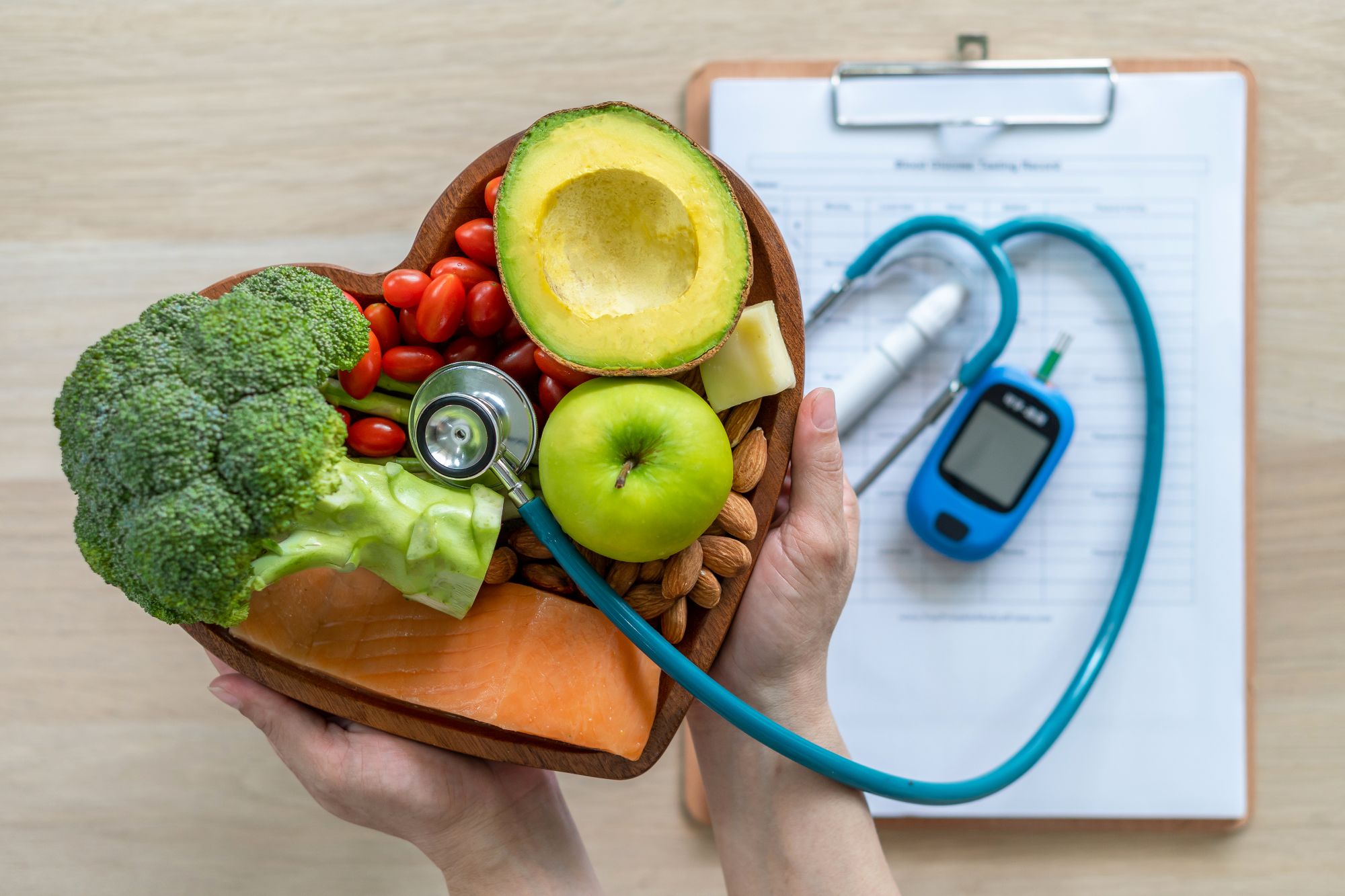
There are simple ways in which people can help reduce their risk of stroke by getting regular exercise, eating a healthy diet, not smoking and monitoring alcohol consumption. However, stroke prevention goes further than people’s individual choices and is often shaped by their wider circumstances, such as housing and access to healthcare.
Regularly monitoring blood pressure is one of the most important ways to protect both your brain and your heart. Free blood pressure checks are available from local clinics, pharmacies or GP surgeries. Home blood pressure monitors are available for around £20. If you are over 40 in England and Wales, we recommend attending an NHS Health Check, which includes a blood pressure check.
Regularly monitoring blood pressure is one of the most important
ways to protect both your brain and your heart
Spotting a stroke and when to call 999
While prevention is key, knowing how to spot a stroke can save lives and reduce the risk of long-term disability. The NHS’ FAST campaign helps identify the three most common signs: facial drooping, arm weakness or slurred speech mean it’s time to call 999. Other less common symptoms of stroke include sudden headaches, vision problems or balance issues. If you recognise these in yourself or someone else, call 999 immediately.
Anyone can have a stroke
Unfortunately, strokes can happen to anyone of any age due to certain genetic or treatable conditions, including high blood pressure. If you can make one small change, get your blood pressure regularly checked.
For more information, visit www.stroke.org.uk or call the Stroke Support Helpline on 0303 3033 100