Health Awareness
Transforming Healthcare
-

s Sponsored
Why Marylebone is a microcosm of London’s global success
Long-term vision and sustained investment are turning Harley Street Health District into a global hub for health innovation; a model for how London stays competitive. Julian Best is Executive Property Director of The Howard de Walden Estate, which owns, manages and leases approximately 95 acres of Marylebone in central London, a highly desirable district running...
-

New AI modality for health appointments
AI scribe and ambient voice technologies are improving both clinician workload and patient experience. It is rapidly being deployed across the NHS, and more is coming. Ambient voice technologies (AVT) have exploded in use and scale across health and care in the last two years. They utilise AI to transcribe verbal consultations, taking notes automatically....
-

Missing elements for digital health to succeed within NHS
The NHS isn’t short on technology; it’s short on the culture, trust and time needed to make digital transformation stick. The NHS is not an analogue healthcare system. Walk into any NHS service, and you’ll find technology in use. Yet, there are also digital platforms and pathways which are not delivering on their potential. Some...
-
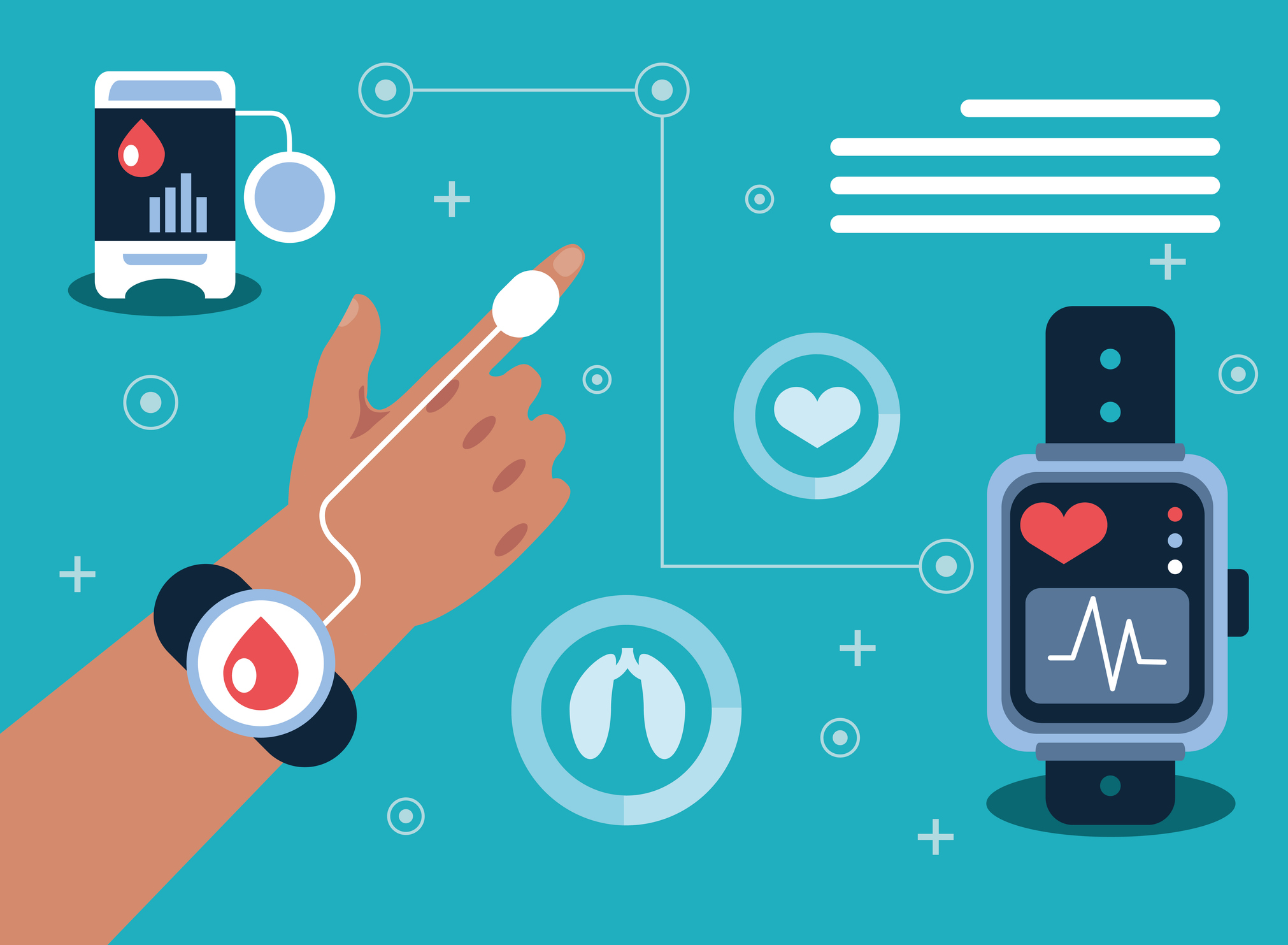
More than monitoring: What comes next for wearables in healthcare?
From fitness devices to sleep trackers, wearables are transforming how we monitor health and creating new opportunities for proactive care. Healthcare systems are facing mounting pressure from ageing populations, rising rates of chronic disease and multi-condition management. In parallel, wearable technologies have evolved significantly, offering opportunities to support more proactive models of care. Their functionality...
-

Why does healthcare innovation stop at the pilot?
Britain invents, funds and proves new healthcare technology, but almost nobody can say who decides whether it reaches a patient. Closing that gap requires more than evidence, according to industry leaders. This is what healthcare innovation looks like: a patient in intensive care with severe respiratory distress could die within 72 hours without the correct...
-
Great technology deserves great care pathways
Health systems are under growing pressure to improve outcomes amid workforce shortages, rising demand and constrained resources. New technologies, from AI-enabled diagnostics to digital platforms, offer real opportunities, but technology alone does not transform care. Lasting impact depends on whether systems are equipped to use innovation well. Too often, implementation focuses on adopting a new...
-

‘Connected’ care brings technology and compassion together
Connected medical devices and remote monitoring are changing how care is delivered, shifting the focus from treating illness after it occurs to preventing it in the first place. Wearable sensors, connected blood pressure monitors, glucose meters and smart cardiac devices now provide clinicians with a continuous picture of a person’s health rather than occasional snapshots...
-
s Sponsored
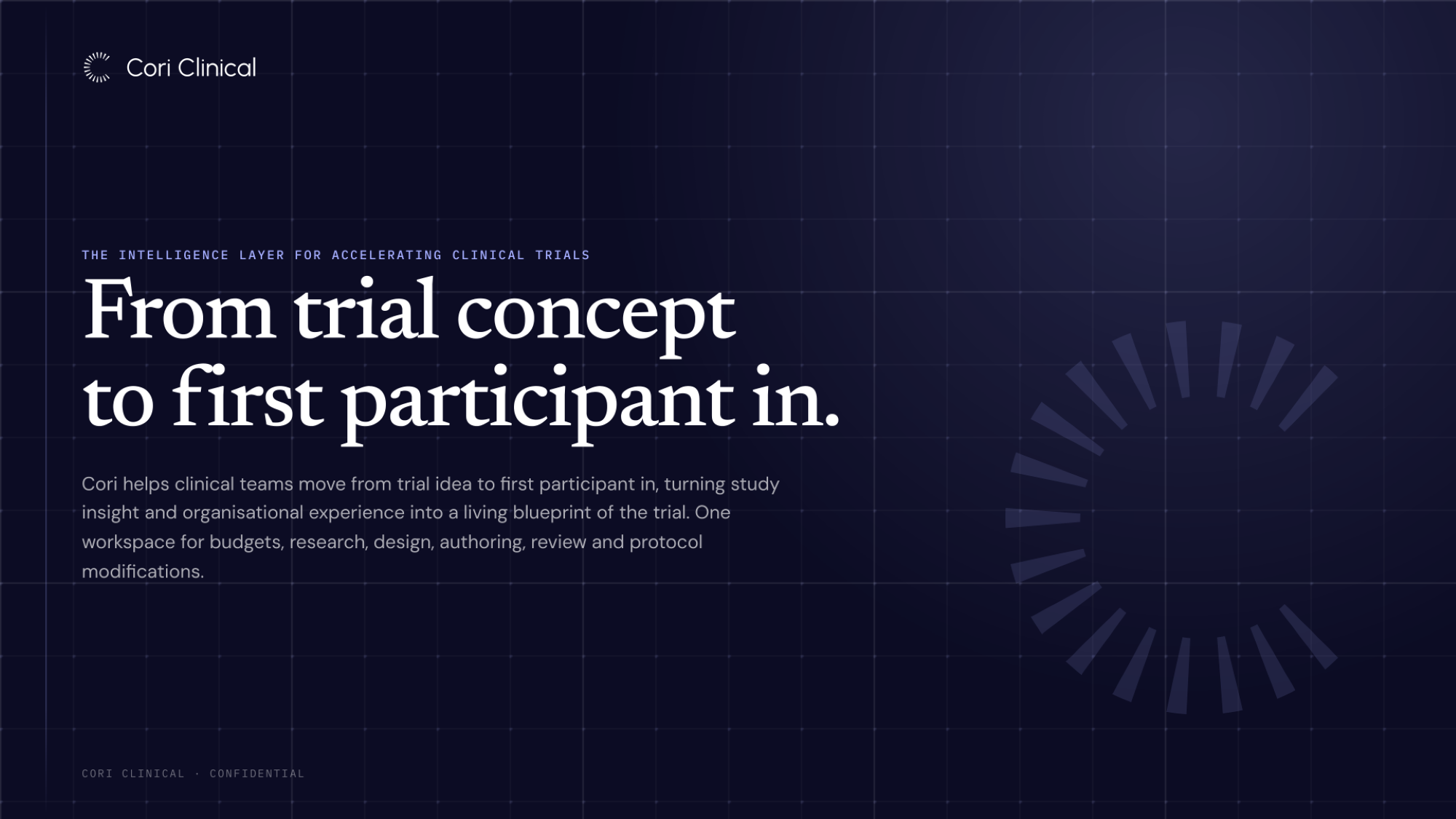
Getting new drugs to patients faster than ever
Patients could receive new drugs faster, thanks to a revolutionary new clinical trials system. Too often, trial teams repeat work their organisation has already done. Disconnected processes, siloed teams and untraced decisions add delays before new treatments reach patients. Dr Emma Ogburn has seen firsthand that it doesn’t have to be this way. She led...
-

s Sponsored
Latest innovations that have transformed employee health screening
Employee health screening can now assess risk of — and diagnose — a huge range of conditions, including cancer, cardiovascular disease and metabolic disorders. Biotech entrepreneur Professor Sir Chris Evans OBE believes that every company, large and small, should have its own employee health screening programme. It’s great for staff wellness and morale, he argues...
-

s Sponsored
Rethinking how medicines are made
When medicines are unavailable, the consequences are immediate. Treatments are delayed, healthcare systems come under pressure, and patients are left without medicines they urgently need. Shortages reflect a bigger challenge: translating scientific breakthroughs into medicines that can be manufactured reliably, affordably and at scale. Tackling medicine manufacturing challenges The NHS 10 Year Health Plan is...
-

s Sponsored
London’s life sciences future depends on inclusive growth
London’s position as a global life sciences powerhouse is the product of centuries of medical discovery, world-class universities, entrepreneurial ambition, investment, clinical excellence and, crucially, people. Today, the city hosts to over 3,400 life sciences companies, attracts billions in investment and ranks among the world’s leading health innovation hubs. However, maintaining its position requires sustained...
-
Innovation is our healthcare’s future
Transforming healthcare starts with modern diagnostics, smarter technology and bold national ambition. The pressure on NHS diagnostic services has become a defining challenge of our time. Imaging, radiotherapy and digital health are no longer supporting functions, but the backbone of modern care pathways, enablers of early diagnosis and catalysts for systemwide efficiency. To transform UK...