
John Rayner
Regional Director – Europe, HIMSS
Connected medical devices and remote monitoring are changing how care is delivered, shifting the focus from treating illness after it occurs to preventing it in the first place.
Wearable sensors, connected blood pressure monitors, glucose meters and smart cardiac devices now provide clinicians with a continuous picture of a person’s health rather than occasional snapshots during clinic visits. For people living with long-term conditions such as heart failure, diabetes or chronic obstructive pulmonary disease, this means earlier intervention, fewer complications and greater independence. However, these benefits depend on more than technology alone. They require secure, interoperable systems that allow information to flow seamlessly between patients, clinicians and care settings.
Digital care that helps the patient
Yet, digital transformation has also raised understandable concerns. Too many patients feel that healthcare professionals spend more time looking at screens than listening to them. As healthcare becomes increasingly data-driven, compassion, communication and human connection must remain at its heart.
Technology can identify when someone is deteriorating,
but only skilled professionals can understand the fears behind the numbers
The real promise of connected care is not replacing clinicians but empowering them. By automating routine observations, reducing administrative workload and identifying patients most at risk, remote monitoring can give healthcare professionals something increasingly scarce: time. Time to visit patients at home, have meaningful conversations, reassure anxious families and make shared decisions based on trust alongside data.
Professionalism aided by precision
Preventive healthcare is about more than detecting changes in vital signs. Technology can identify when someone is deteriorating, but only skilled professionals can understand the fears behind the numbers or tailor care to an individual’s circumstances.
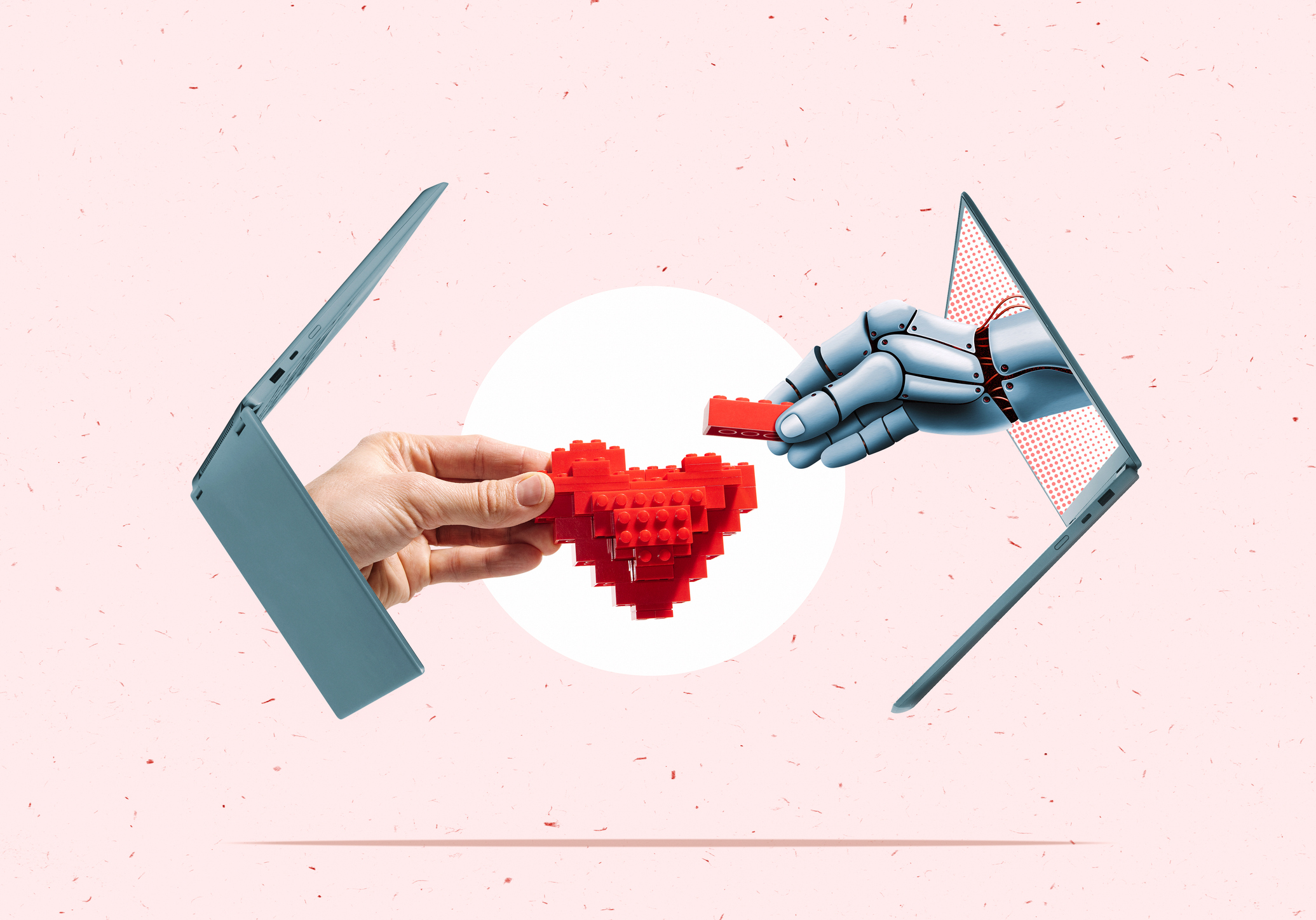
The future of healthcare should not be framed as a choice between technology and compassion. The greatest advances will come from combining the precision of connected devices with the empathy and professionalism that define high-quality care.
When digital innovation is designed to support clinicians rather than distract them, healthcare becomes not only more efficient but more personal. It can and should improve outcomes while preserving the trust on which every patient-clinician relationship depends.