
Julian Best
Executive Property Director, The Howard de Walden Estate
Long-term vision and sustained investment are turning Harley Street Health District into a global hub for health innovation; a model for how London stays competitive.
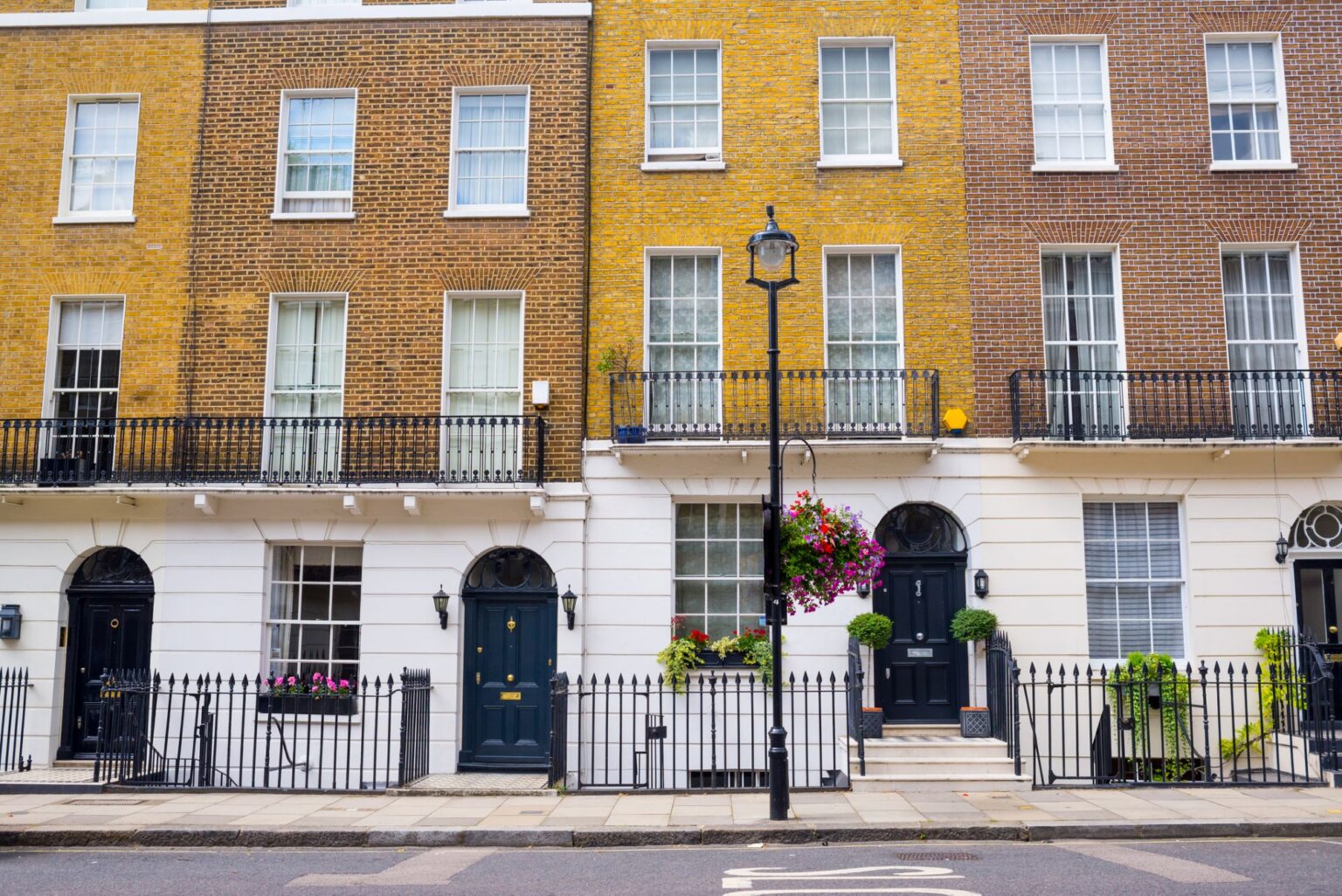
Julian Best is Executive Property Director of The Howard de Walden Estate, which owns, manages and leases approximately 95 acres of Marylebone in central London, a highly desirable district running from Marylebone Road in the north to Wigmore Street in the south. Its portfolio of around 850 properties, roughly a third of which are listed, includes the Harley Street Health District and Marylebone Village, a vibrant residential area featuring a range of boutiques, restaurants and schools.
Best says the secret of the Estate is that it doesn’t just plan for now; it keeps an eye on the horizon. “We make long-term decisions to encourage development and investment that ultimately benefit future generations,” he says.
Keeping London competitive and attractive
Best believes this far-sighted approach will help London remain a leading global city. “The Elizabeth Line was born out of decisions made more than 30 years ago and has changed commuting patterns,” he says. “We need that sort of long-term, consistent vision to make sure London is competitive and attractive well into the future. It’s already a great place, with fantastic education, innovation, research and infrastructure, but it needs to invest more in digital technology and ensure its buildings, services and utilities are fit for purpose and resilient.”
A magnet for global health innovation
Nowhere is that long-term thinking more visible than in the Harley Street Health District, which marks its 165th year this year and is now home to more than 300 healthcare providers and over 2,500 consultants. Best points to a run of recent milestones as proof the vision is being delivered: the opening of Hale House as a dedicated home for HealthTech innovators, the arrival of global providers such as Cedars-Sinai, and the announcement of a £100 million ambulatory surgery centre at 1 Harley Street.
The scale behind that ambition is considerable. According to the District’s first Impact Report, its private healthcare activity is worth an estimated £1.85 billion a year, representing 11.2% of the UK’s total independent healthcare market by volume. Howard de Walden invested £42.4 million in HealthTech property in the District last year alone as it continues to foster innovation, research and investment. However, the early-stage healthtech companies we meet require more long-term, reliable sources of domestic funding to stem the flow of having to seek funding abroad.
Part of the draw is the calibre of neighbours on the doorstep. The District has attracted five of the six major US healthcare organisations active in London, and Best sees it as one important hub within a wider “knowledge corridor” running from Paddington to King’s Cross.
Creating and maintaining a sense of community
When London neighbourhoods attract investment, talent and innovation, they become real communities, which in turn attracts further investment, talent and innovation. It becomes a virtuous circle. “What makes Marylebone special is that people actually live here,” says Best. “We also have schools and fantastic facilities, and it’s all within walking distance. Part of our long-term commitment is to ensure it’s a place where people continue to want to spend time.”