
Rebecca Parkin
Associate Director of Digital Health, ABHI
From fitness devices to sleep trackers, wearables are transforming how we monitor health and creating new opportunities for proactive care.
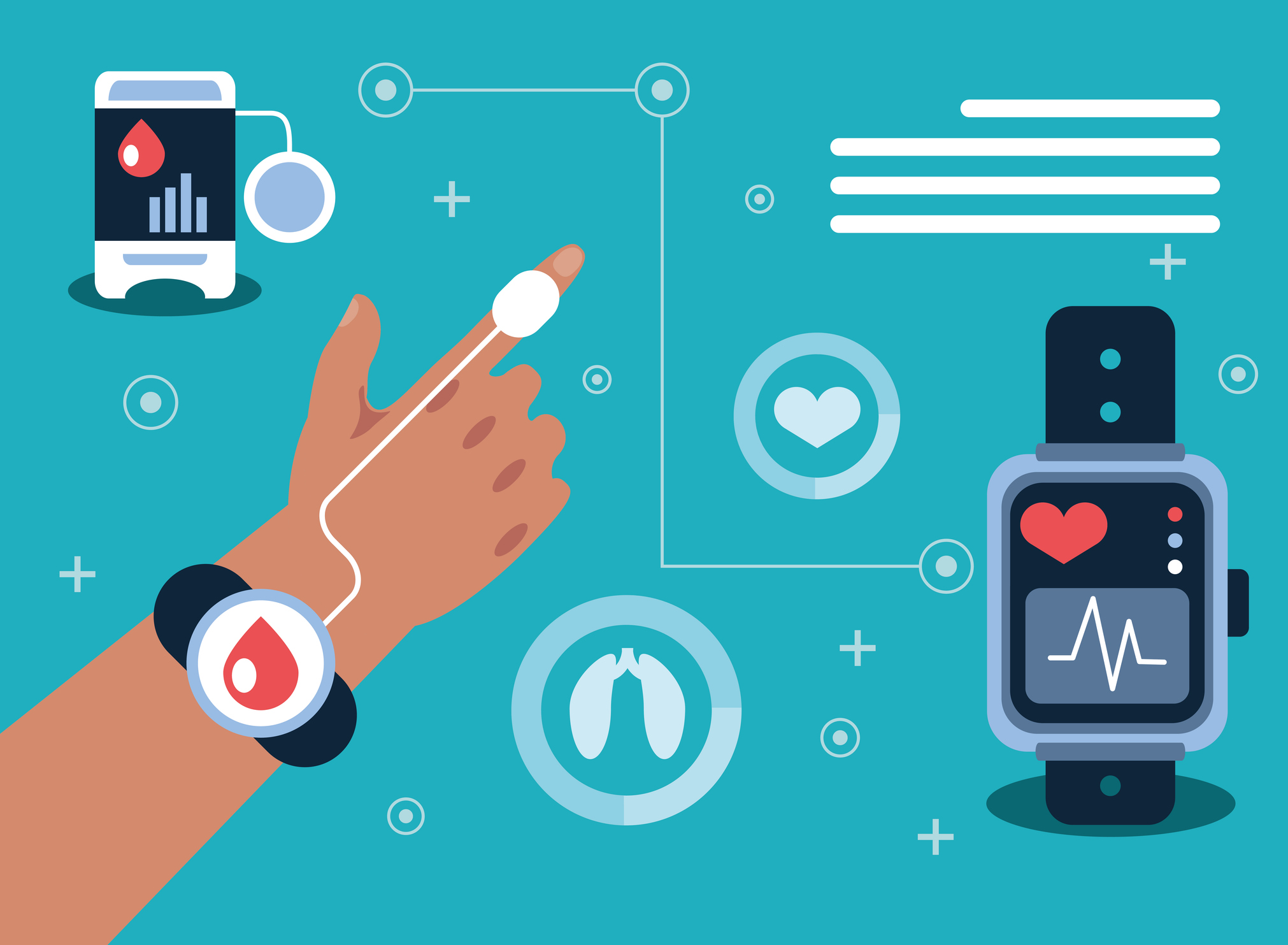
Healthcare systems are facing mounting pressure from ageing populations, rising rates of chronic disease and multi-condition management. In parallel, wearable technologies have evolved significantly, offering opportunities to support more proactive models of care. Their functionality ranges from tracking steps and sleep scores to supporting the early discharge of patients from hospital, offering reassurance of remote monitoring.
The wearable landscape has become increasingly diverse. While some devices focus on wellness, self-management and behaviour change, others support diagnosis, treatment or the delivery of therapeutic interventions.
As healthcare strives towards more preventative and personalised models of care, a key question remains: not ‘What can wearables do?’, but ‘How can we realise their full value?’
Building trust
Firstly, trust matters. As the market evolves, greater clarity around the distinction between consumer wellness devices and medically certified technologies is crucial to building confidence among healthcare professionals and the public. After all, the value of any health insight depends on confidence in the data behind it.
Turning data into better care
Beyond trust lies the question of how we use the information these technologies generate. Not every data point collected through a wearable needs to flow into a healthcare record, but these insights can still play an important role in informing clinical conversations, identifying population health trends and enabling earlier intervention. Combined with advances in predictive analytics, wearable data could help healthcare systems anticipate need rather than simply respond to it.
a key question remains:
What can wearables do?’, but ‘How can we realise their full value?
Realising the opportunity
We’re now seeing more partnerships emerge across healthcare and industry, integrating wearable data into digital health applications to create more connected patient experiences and greater continuity of care.
However, technology alone is not enough. Establishing reimbursement pathways for clinically validated wearables could improve access and support more equitable access across patient populations. Realising the true potential of wearables will also require a focus on inclusion, trust and lasting behaviour change. If we get that balance right, wearables could help deliver a more preventative, personalised and predictive future for healthcare.