Health Awareness




In this issue
-
Preventing late diagnosis of breast cancer in younger people
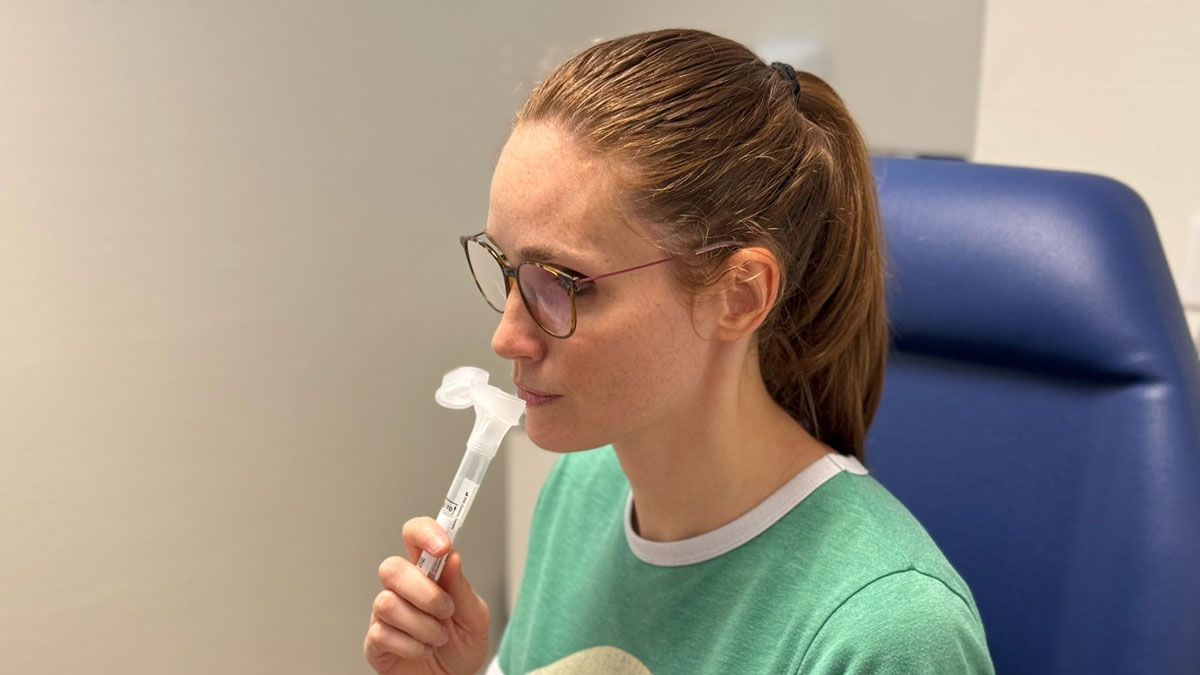
Charity CoppaFeel! is on a mission to prevent the late diagnosis of breast cancer in younger people through awareness and education. In the UK, one in seven women will be diagnosed with breast cancer in their lives.1 The national screening programme starts from age 50 for anyone registered with a GP as female. However, more...
-
Menstrual health across the life course: addressing inequality from the start
Menstrual health is often treated as a narrow or early-life issue despite playing a critical role in women’s health across the life course. From adolescence through reproductive years and into perimenopause, menstrual health shapes physical wellbeing, mental health and access to care. When overlooked, inequalities emerge early and compound over time. Menstrual health: key entry...
-

The opportune time for change: how governments can improve endometriosis care
The average wait time for an endometriosis diagnosis in the UK is unacceptable: nine years and four months, up from eight years in 2020. Endometriosis UK’s latest data shows that diagnosis times for endometriosis are getting worse. For ethnically diverse communities, diagnosis takes even longer: 11 years on average. There’s a significant opportunity to turn these...
-

Menopause Action Plans to reshape workplace
No longer just a ‘nice to have’ for employers, Menopause Action Plans will shift menopause support from informal good practice to employment rights, accountability and meaningful action. This year’s International Women’s Day on March 8 marked a significant step for women in the workplace. Its theme ‘Give To Gain’ couldn’t be more apt as it...
-

Improving the earlier detection of ovarian cancer
March is Ovarian Cancer Awareness Month, and we want to raise awareness of ovarian cancer and what we need to help improve outcomes for patients in the UK. Ovarian cancer is the second most common gynaecological cancer and the sixth most common cancer in women in the UK. It affects 7,500 women and people with...
-

Davina: “Why it’s time to talk more openly about the menopause”
Davina McCall struggled with perimenopausal symptoms. She urges women to learn more about how this time of their life could affect them, and not suffer in silence. You were 43 when perimenopause started. Did you recognise the symptoms? No. But it got to the point where, on live TV, I couldn’t remember Laurence Llewelyn-Bowen’s name...
-
s Sponsored
How female underrepresentation in clinical trials leads to poorer outcomes
Clinical trial technology provider discusses female underrepresentation in clinical trials, and how they’re addressing it through targeted surveys and the development of a national women’s research registry. Medicines have historically been developed following testing in men. Hence, they were found to be suboptimal or even unsafe for women, who are nearly twice as likely to...
-
Gynaecology waiting lists are holding back women’s health; tackling them could transform care
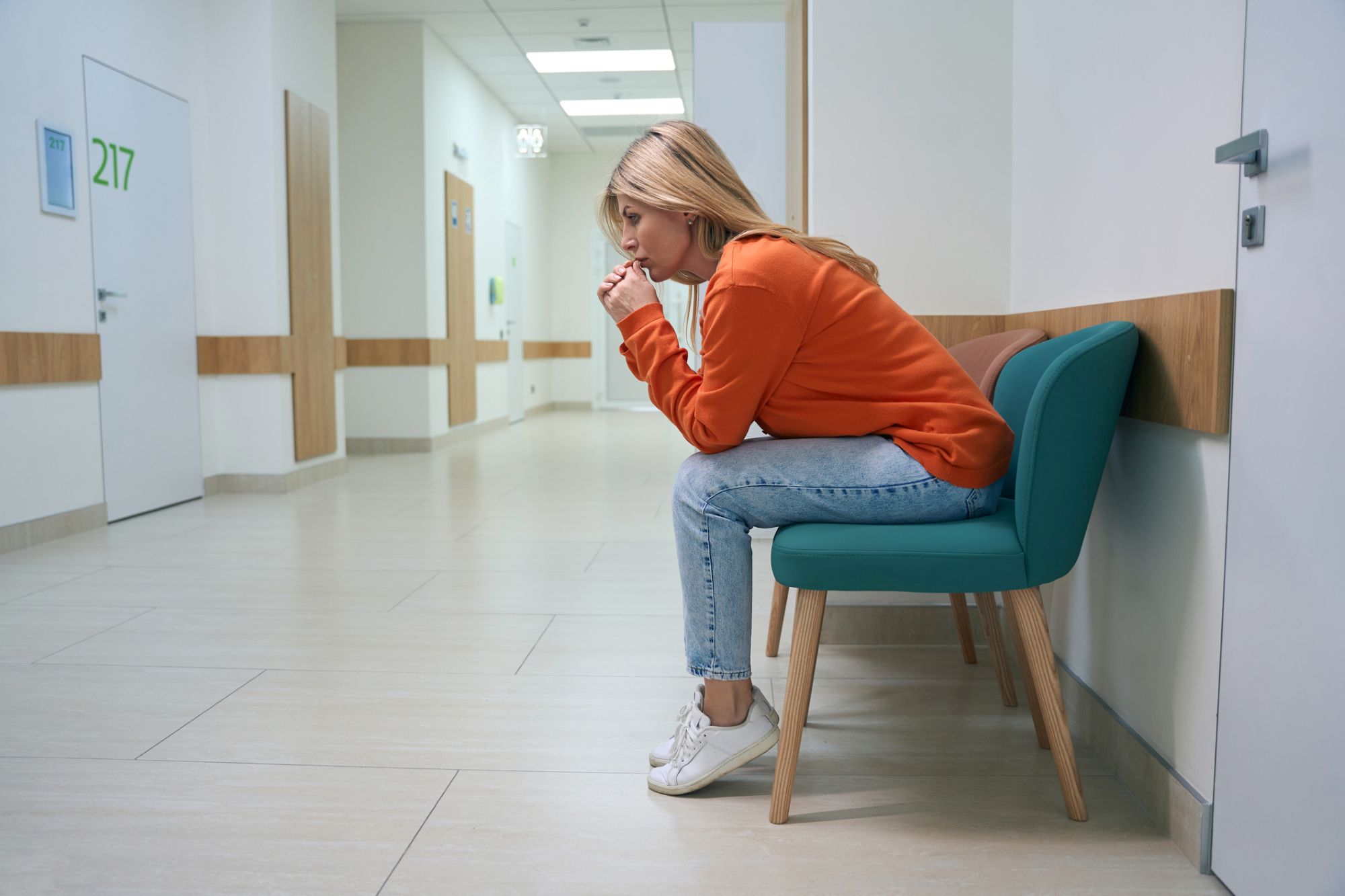
As we look forward to the renewed Women’s Health Strategy, the Government has a crucial opportunity to make a lasting difference to women’s health — to address gynaecology waiting lists. At the Royal College of Obstetricians and Gynaecologists, we hear daily from women whose lives are ‘on hold’, and their suffering gets worse, while they...
-

Ending the normalisation of heavy and painful periods starts in the classroom
Imagine missing school every month because of pain so severe you can’t get out of bed, sitting exams while battling nausea and cramps or cancelling plans because you’re terrified of bleeding through your clothes. For many girls, this is a reality, but instead of being acknowledged, it’s brushed off as “just a period.” How menstrual health stigma is holding back girls...
-

What the UK women’s health plan must address in the next decade
The new Government’s recent policy announcements have highlighted a renewed commitment to improving women’s health services in the UK. Key to this objective is the development of a comprehensive 10-Year Health Plan, which aims to create an NHS fit for the future by addressing existing challenges and anticipating future healthcare needs. Despite this early promise,...
-

What adjustments can you ask for at your cervical screening?
Cervical screening is a test offered to women and people with a cervix between the ages of 25 and 64 to help prevent cervical cancer. Cervical screening saves 5,000 lives a year in the UK.1 Yet, the number of people going for their screening is going down, as 1 in 3 did not go when...
-

s Sponsored
Importance of regular breast checking and attending breast screening
Know the importance of early detection of breast cancer, regular breast checking and attending breast screening appointments when invited. Breast Cancer Now wants every woman to know the importance of early detection, regular breast checking and to feel educated and empowered to know the signs and symptoms of the disease. Get to know your normal...
-
s Sponsored
Why early lichen sclerosus diagnosis and treatment are crucial
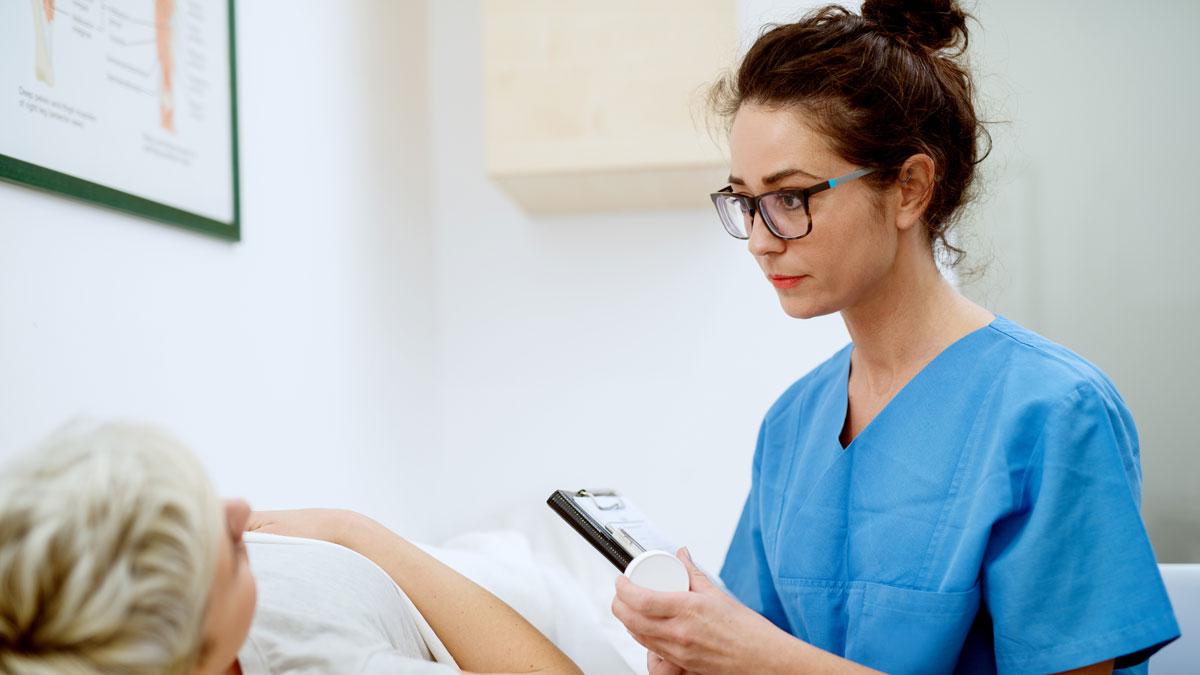
Lichen sclerosus is a chronic inflammatory skin condition causing patchy, discoloured and thin skin, mainly in genital and anal areas. It mostly affects postmenopausal women and prepubescent girls. However, it can impact anyone, including men. Lichen sclerosus symptoms typically include itching, pain, skin changes, soreness and painful intercourse. If left untreated, it can lead to...
-

s Sponsored
Evidence-based fertility options to help guide your parenthood decisions
State-of-the-art, personalised fertility care — delivered by a multidisciplinary team of experts — offers hope and support for all types of family building. Fertility difficulties affect as many as one in six heterosexual couples1 and three in five over the age of 40.2,3 However, advancements in reproductive medicine now offer more options than ever. The Assisted...
-

Ending the silence on painful and heavy periods
This Endometriosis Month, let’s end the stigma around menstrual health. With many women not getting help for period pain and heavy bleeding, it’s time for change. It’s not ‘just a period.’ Contrary to popular belief, heavy bleeding and pain during periods do not only affect an ‘unlucky few.’ Wellbeing of Women found 62% of women...
-

Endometriosis misdiagnosis and changing the course of care
Endometriosis care has been neglected, harming patients and the economy. This Endometriosis Action Month, governments must take bold action to improve care for the 1 in 10 affected in the UK. If we are to debunk the myths that are riddled within our society about endometriosis, such as ‘It’s just a bad period’ or ‘It’s...
-

Time to make fertility care more trauma-informed
New research from a leading national charity highlights how a lack of trauma-informed care can exacerbate the already distressing experience of infertility and its treatment. Fertility Network’s research shows the massive mental health impact of fertility problems, with most fertility patients experiencing depression and anxiety, and 40% reporting suicidal feelings. Infertility-related trauma is more common...
-

Help bridge the gap in menopause care
Women’s health is at a pivotal moment, with growing concerns about the fairness of menopause care and many important questions still unanswered. Hormone replacement therapy (HRT) is a term used in the UK to describe several different treatments that are used to treat the symptoms associated with menopause. While some newer HRT options might be...
-
Does your workplace understand hormone health?
Rising awareness of hormone health demands recognition of the impact of symptoms on women in the workplace. With rising awareness of hormone health comes the need to recognise the impact of symptoms on women in the workplace. Coupled with this is a new focus on achieving gender equity at work which must include being menstruation...