Health Awareness

Rebecca Guy
Senior Policy Manager, Royal Society for the Prevention of Accidents (RoSPA)
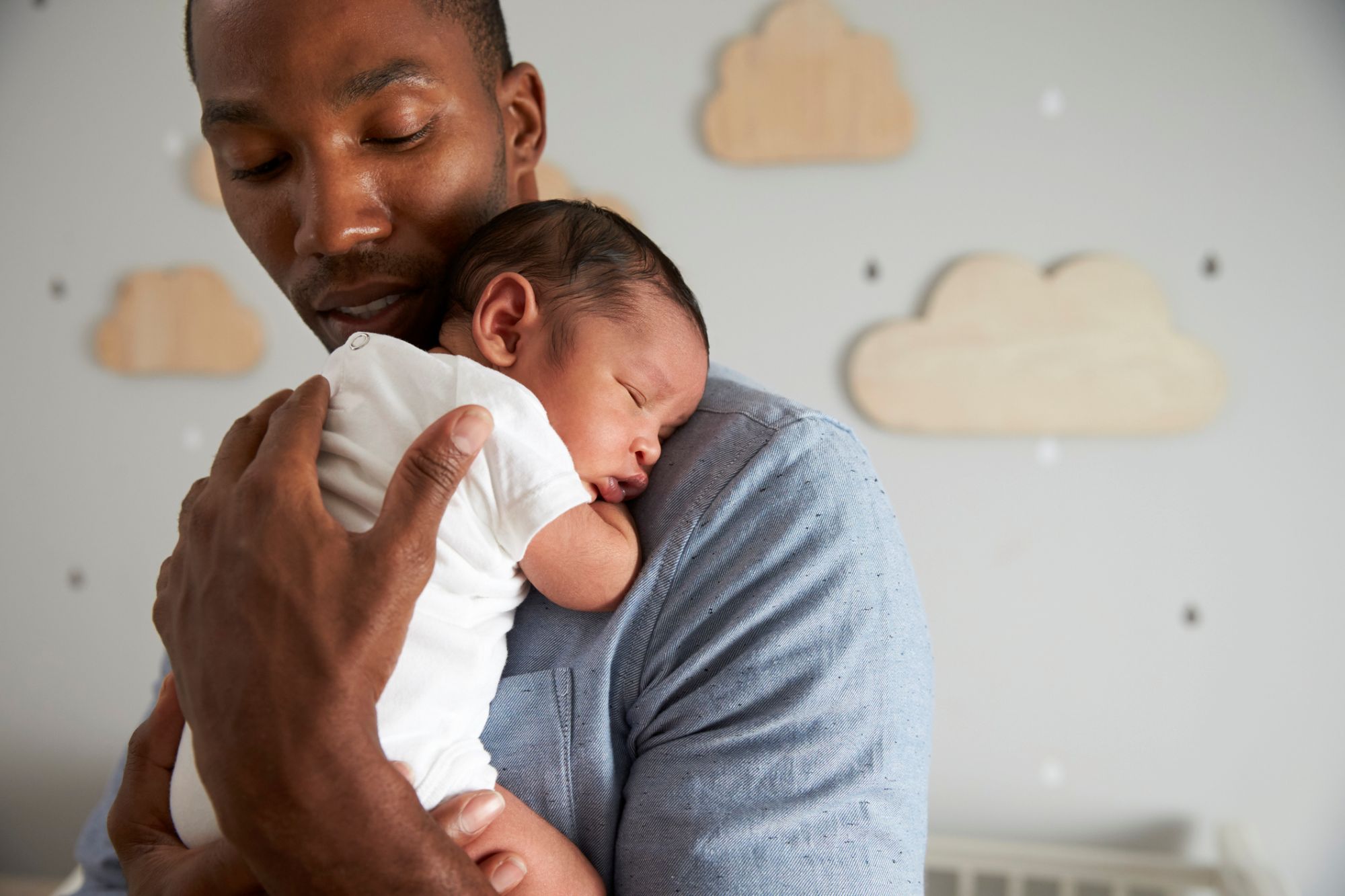
Rebecca Guy, Senior Policy Manager, Royal Society for the Prevention of Accidents (RoSPA), offers guidance to new parents about creating a safe sleep environment and feeding practices for their baby.
Which baby sleep products should parents be cautious about, and why?
Rebecca Guy (RG): Parents should be cautious of products marketed as helping babies sleep longer, more comfortably or in a particular position. This includes sleep positioners, pillows and cushions, as well as baby sleeping bags that do not meet the relevant British safety standard. Some products can increase the risk of suffocation or overheating, despite being marketed as sleep aids.
Products designed to keep babies in a particular position are not recommended for routine sleep. The safest sleep space is a simple one, with no unnecessary items around the baby.
Why are hands-free bottle holders and self-feeding cushions not recommended?
RG: Products that hold a baby’s bottle or allow feeding without direct supervision may appear convenient, but they can present safety risks. Babies should always be supervised while feeding, as they may struggle to manage the flow of milk.
Someone should be nearby if the baby comes into difficulty while feeding. No product can replace an attentive adult during feeding, and parents should be wary of products marketed as making feeding easier by reducing supervision.
Are products sold online always safe?
RG: Not necessarily. Many products are available through online marketplaces and overseas sellers, but availability does not guarantee that the product is suitable or safe. We recommend researching products carefully and being cautious of claims that a product will improve sleep or allow a baby to safely feed independently.
How can parents identify safer baby products?
RG: Parents should look for recognised safety markings, such as the CE or UKCA mark where applicable, but never assume a product is safe simply because it is available to buy. Always follow safe sleep and feeding guidance, and check that the product you plan to buy aligns with this.
availability does not guarantee that the product is suitable or safe
What does a safe sleep environment look like for a baby?
RG: For sleep, babies need very little. A cot, moses basket or bassinet with a firm, flat mattress and fitted waterproof sheet is usually all that is required. Babies should always be placed on their back to sleep.
A blanket that is securely tucked in or a baby sleeping bag that meets the relevant British safety standard can be used as appropriate. Pillows, sleep positioners, cushions and other unnecessary accessories should be kept out of the sleep space.