Health Awareness


Sallyann Sutton
RGN, SCPHN,MSc, QN Professional Officer-SAPHNA
Thousands of eleven‑year‑olds are navigating their first days of secondary school this September. Transitioning from primary school to Year Seven is more than a change of uniform; it’s a major emotional milestone.
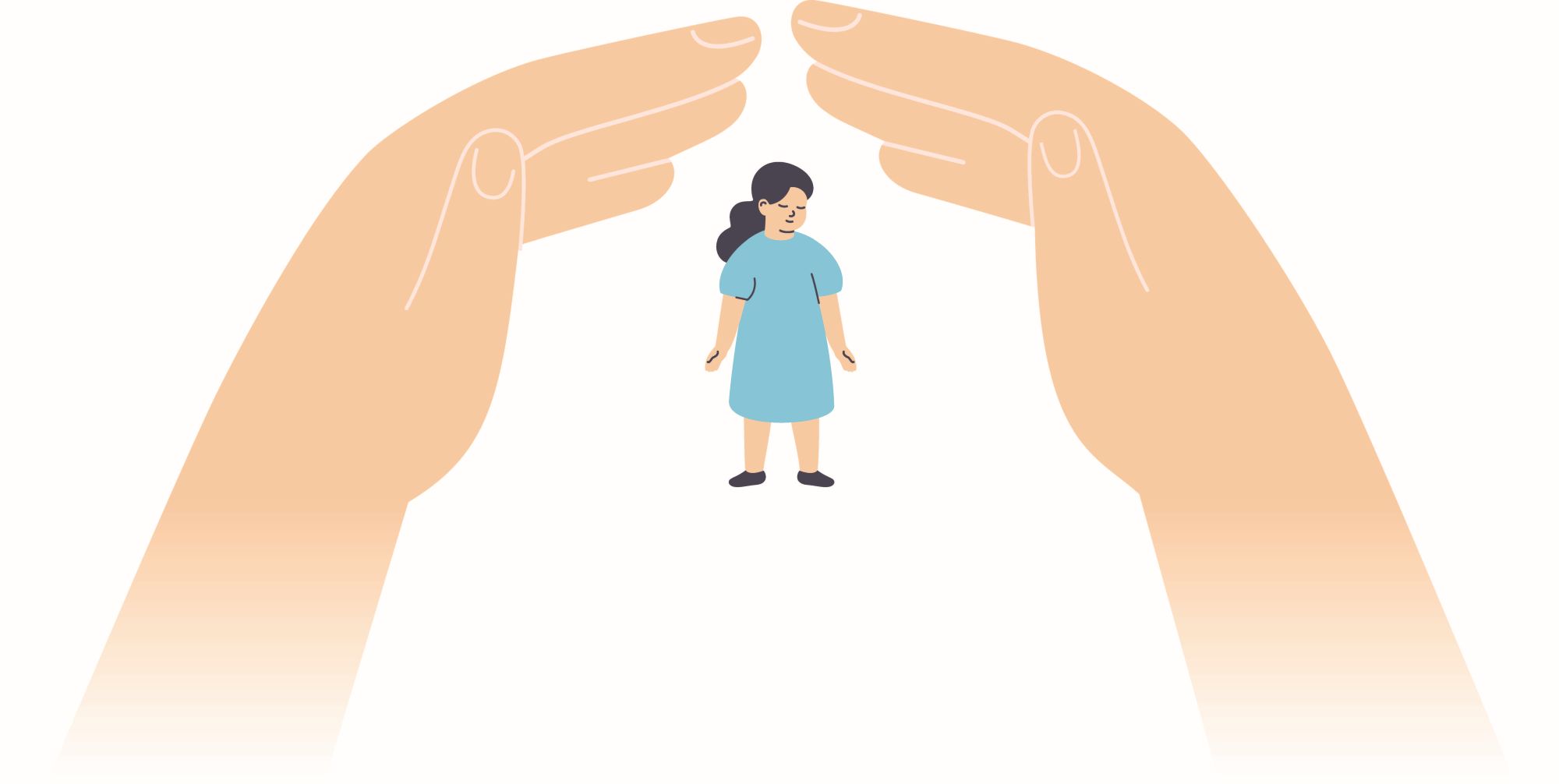
Children are moving from being the oldest in their primary school, with familiar classrooms, routines and teachers, to being the youngest in a large secondary school. They’ll need to get used to new routines, teachers and moving between classrooms. There’s a lot to take in, and it can be unsettling for even the most confident child.
Importance of better communication
Better communicationbetween parents and children is important. Find a time when they’re most relaxed to ask about their day. Balancing being interested but not pushy is important. Children need time to reflect, process and settle at their own pace.
Normalising worry is one of the most effective supports. Many children believe they’re the only ones feeling nervous, so being told it’s okay to feel worried in new situations helps. Listen to them and reassure them you can work through these together rather than rushing in with solutions. This helps children learn important life skills, build independence and feel more confident.
Transition can understandably be exhausting. Children need to relax and get enough sleep. Eleven-year-olds need nine to twelve hours’ sleep. Establishing routine helps children build in time for familiar family activities and time with friends.
Many children believe they’re the only ones feeling nervous,
so being told it’s okay to feel worried in new situations help
Practical preparation matters
Much of Year Seven worries stem from the unknowns, like getting lost, being late or not knowing anyone. Once school starts, it can be useful to review their timetable with them and encourage them to make a list of daily necessities. An evening routine of checking their school planner, preparing their uniform and packing their bag could also help.
Most pupils settle over the first few weeks, but parents should watch for ongoing worry. Some children express worry through symptoms like morning headaches, stomach aches, feeling sick and sleep changes. Some might try to avoid school or become withdrawn. Early contact with pastoral staff can prevent small worries from escalating. Your local school nursing service can also provide support.