Health Awareness
Advancing Women’s Healthcare
-
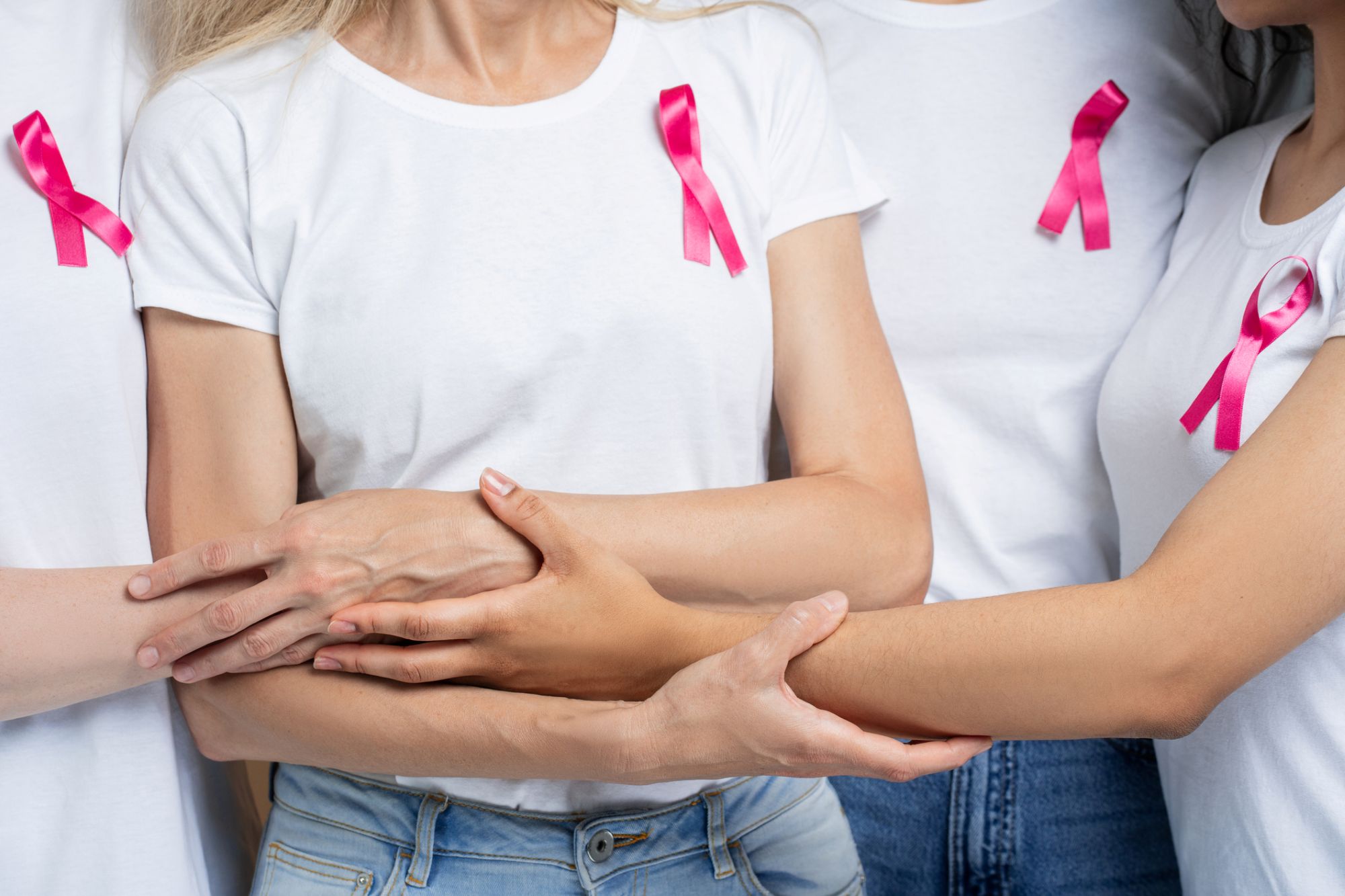
Preventing late diagnosis of breast cancer in younger people
Charity CoppaFeel! is on a mission to prevent the late diagnosis of breast cancer in younger people through awareness and education. In the UK, one in seven women will be diagnosed with breast cancer in their lives.1 The national screening programme starts from age 50 for anyone registered with a GP as female. However, more...
-

Menstrual health across the life course: addressing inequality from the start
Menstrual health is often treated as a narrow or early-life issue despite playing a critical role in women’s health across the life course. From adolescence through reproductive years and into perimenopause, menstrual health shapes physical wellbeing, mental health and access to care. When overlooked, inequalities emerge early and compound over time. Menstrual health: key entry...
-
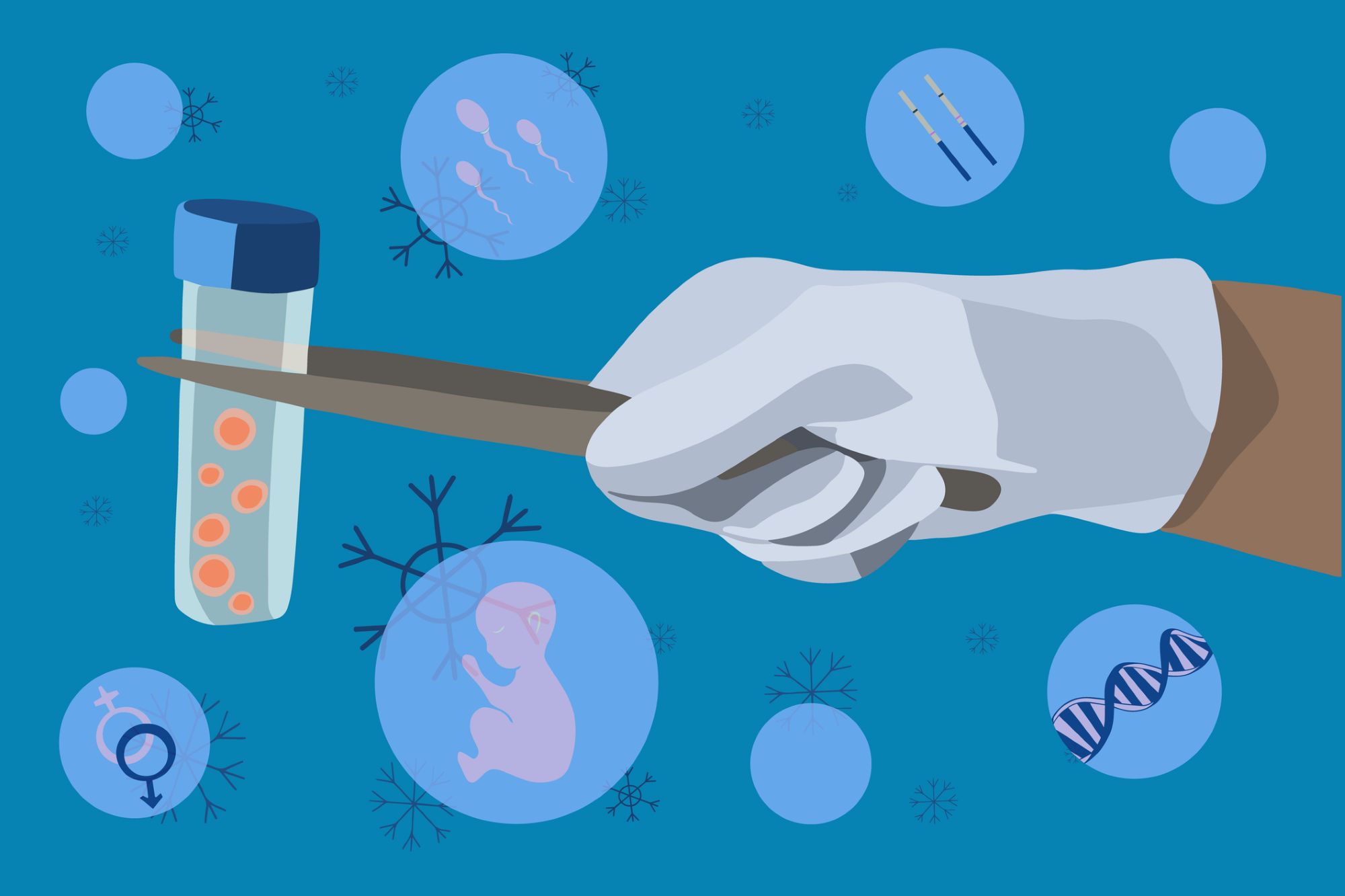
Planning ahead: preserving your fertility in the UK
If you want to preserve your fertility, whether before medical treatment that can affect your fertility or if you’re not yet ready for a family, you might want to consider freezing your eggs or embryos. Before having fertility treatment, you’ll need to give written consent to ensure your eggs and/or embryos are used and stored...
-

The opportune time for change: how governments can improve endometriosis care
The average wait time for an endometriosis diagnosis in the UK is unacceptable: nine years and four months, up from eight years in 2020. Endometriosis UK’s latest data shows that diagnosis times for endometriosis are getting worse. For ethnically diverse communities, diagnosis takes even longer: 11 years on average. There’s a significant opportunity to turn these...
-

Menopause Action Plans to reshape workplace
No longer just a ‘nice to have’ for employers, Menopause Action Plans will shift menopause support from informal good practice to employment rights, accountability and meaningful action. This year’s International Women’s Day on March 8 marked a significant step for women in the workplace. Its theme ‘Give To Gain’ couldn’t be more apt as it...
-

Improving the earlier detection of ovarian cancer
March is Ovarian Cancer Awareness Month, and we want to raise awareness of ovarian cancer and what we need to help improve outcomes for patients in the UK. Ovarian cancer is the second most common gynaecological cancer and the sixth most common cancer in women in the UK. It affects 7,500 women and people with...
-
s Sponsored
Helping shape fairer fertility care
Across the UK, a fertility postcode lottery still shapes who can access treatment, leaving many single women and LGBTQ+ families at a disadvantage. In my conversations with women and couples across the UK, one theme appears again and again: access to fertility treatment remains deeply unequal. It is still influenced by your postcode, age, BMI,...
-

Davina: “Why it’s time to talk more openly about the menopause”
Davina McCall struggled with perimenopausal symptoms. She urges women to learn more about how this time of their life could affect them, and not suffer in silence. You were 43 when perimenopause started. Did you recognise the symptoms? No. But it got to the point where, on live TV, I couldn’t remember Laurence Llewelyn-Bowen’s name...
-
s Sponsored
How female underrepresentation in clinical trials leads to poorer outcomes
Clinical trial technology provider discusses female underrepresentation in clinical trials, and how they’re addressing it through targeted surveys and the development of a national women’s research registry. Medicines have historically been developed following testing in men. Hence, they were found to be suboptimal or even unsafe for women, who are nearly twice as likely to...
-
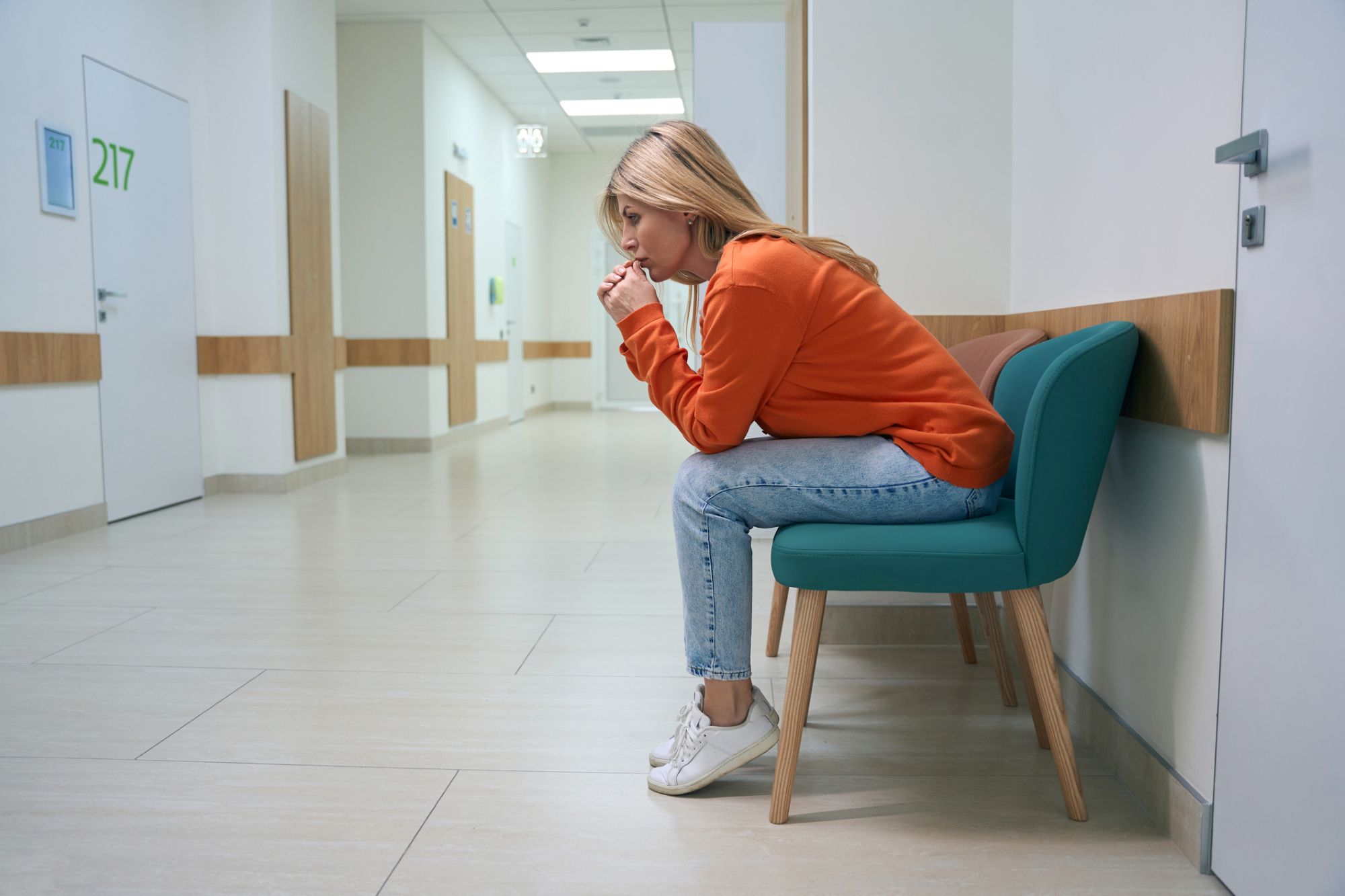
Gynaecology waiting lists are holding back women’s health; tackling them could transform care
As we look forward to the renewed Women’s Health Strategy, the Government has a crucial opportunity to make a lasting difference to women’s health — to address gynaecology waiting lists. At the Royal College of Obstetricians and Gynaecologists, we hear daily from women whose lives are ‘on hold’, and their suffering gets worse, while they...
-

Ending the normalisation of heavy and painful periods starts in the classroom
Imagine missing school every month because of pain so severe you can’t get out of bed, sitting exams while battling nausea and cramps or cancelling plans because you’re terrified of bleeding through your clothes. For many girls, this is a reality, but instead of being acknowledged, it’s brushed off as “just a period.” How menstrual health stigma is holding back girls...