Health Awareness
Future of AI 2026
-

Balancing AI ambition with NHS reality
The NHS is embracing AI, but not all AI is treated equally. Immediate operational pressures influence adoption more strongly than long-term digital ambition. Not all AI carries the same risk level. Non‑clinical applications — workforce planning, demand forecasting, pathway optimisation and waiting‑list management — sit outside direct decision‑making, so governance is lighter, procurement faster and...
-
Putting patients first in digital health
As digital tools reshape healthcare, trust and transparency are essential to ensure that technologies prioritise patients’ needs. Digital technologies, AI and data analytics are embedded in almost every facet of healthcare. At their core is the understanding that patient data are shared to provide a comprehensive view of their health and care. Data sharing brings...
-
Why trust, equity and access are key to FemTech’s next chapter
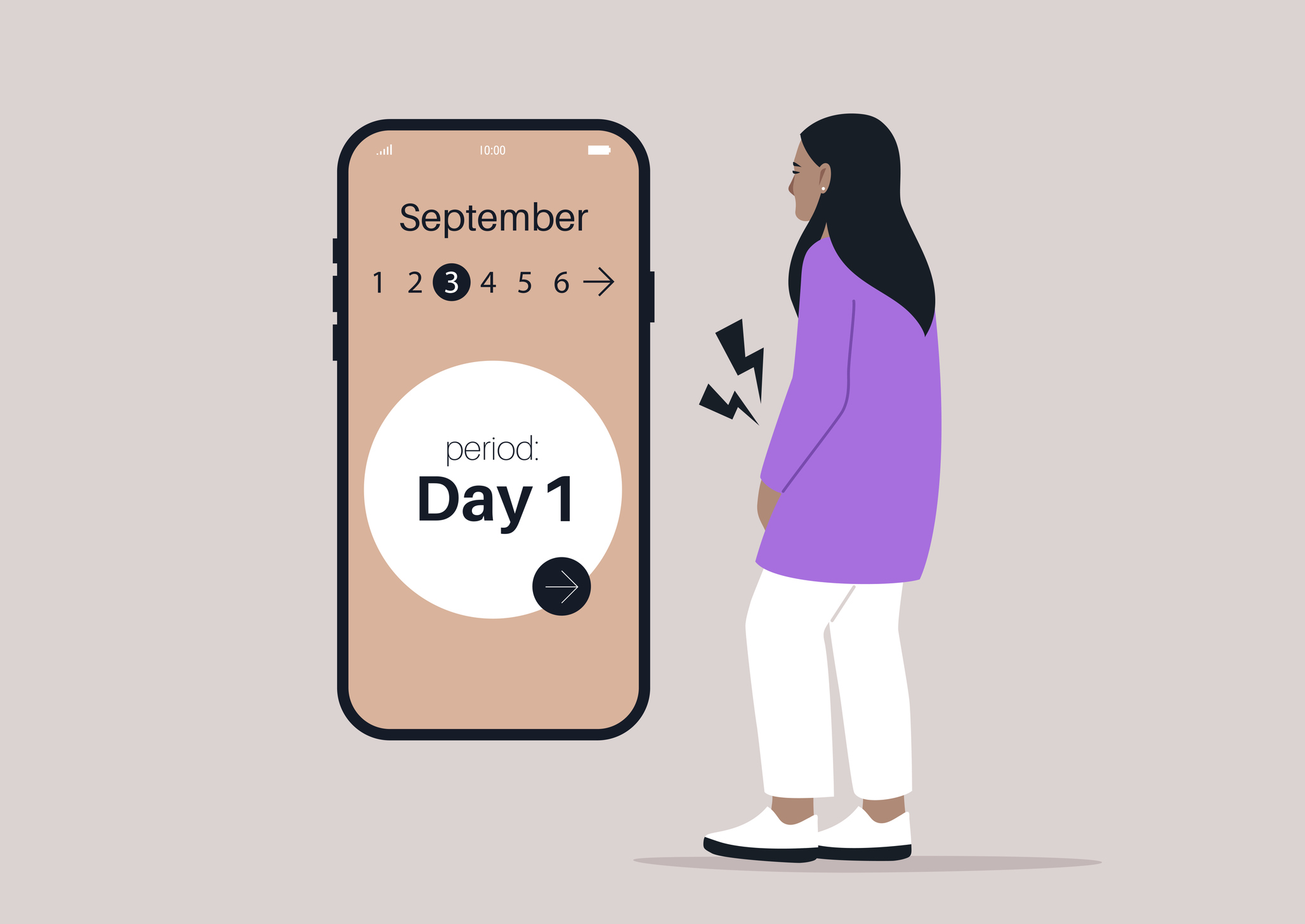
2026 marks ten years since ‘FemTech’ was penned by Ida Tin, founder of period-tracking app Clue. Since then, the sector has gained momentum, with UK-founded women’s health innovation accounting for over $1.5 billion of the global market in 2024.1 With the Government committing to invest heavily in research and innovation, digital health is set to...
-

I have stage 4 cancer — AI is how I took back control
By open-sourcing my scans and using AI to advocate for myself, I now believe the biggest difference in digital health will come from awareness, openness – and patients who refuse to wait. In 2021, I was diagnosed with bowel cancer at 39. Five years on, I’m at stage 4 — currently deemed incurable. Liver surgery....
-

Digital health is weird
Digital health is unusual because it delivers care very differently. As someone with a non-clinical background attracted to how technology can help people live longer, happier lives, I see current treatments as being one, or a combination of, what you give (medicines), what you do (non-pharmacological interventions, like surgery, irradiation, physiotherapy, etc.) and how you...
-

How digital twins could transform healthcare
Digital twins are emerging as one of healthcare’s most talked-about technologies, but their greatest potential may lie in helping people live healthier, longer lives. Most people have never heard of a digital twin, despite growing excitement about its potential in healthcare. What is a digital twin? The National Academies of Sciences, Engineering, and Medicine describes a digital...
-

Scaling digital health sustainably
Digital health innovation is advancing quickly, but long-term transformation will depend on how effectively systems, people and technology evolve together. Digital health tools, from AI-enabled systems to remote monitoring and connected care platforms, are increasingly positioned as part of the solution for pressurised healthcare organisations. Yet the conversation has shifted noticeably in recent years. The...
-

How technology can make integrated care a reality, not just an ambition
The NHS ambition to deliver more joined up, person-centred care is not new. What’s changed is the opportunity to make it real, with systems that join up around individuals, not organisations. People regularly move between care settings, often repeating their story as professionals work across disconnected systems. Delays are frequently driven by navigating organisational processes,...