Health Awareness
Innovations in Oncology 2020
-

s Sponsored
We must not lose momentum in cancer innovation
While COVID-19 has brought immense challenges to R&D and the delivery of cancer care, it has also shone a light on the value of innovation and how important it is we keep up the pace. Over the past few weeks, we have seen the world unite in celebration as the first COVID-19 vaccines begin to...
-

How the right bra can help your breast cancer recovery
Many women struggle post-surgery with not only clinical, but psychological issues stemming from breast cancer treatment. THEYA Healthcare has studied the positive effects that specific post-surgery bras can have. Recovery from breast cancer surgery is not just physical, but a psychological and emotional recovery too. THEYA Healthcare post surgery underwear is designed to help patients...
-

s Sponsored
ABC Discover. Ensuring women with breast cancer go on to live longer, healthier lives
Against Breast Cancer funds groundbreaking research to improve detection, treatment and increase survival after breast cancer diagnosis. The focus of our research is preventing secondary spread, the main cause of breast cancer related deaths. ABC Discover is our 5 year flagship research programme under the umbrella of the newly established Integrative Molecular Phenotyping Centre at...
-

s Sponsored
A personalised approach to breast cancer is vital
Personalisation in breast cancer research, services, treatment and support is essential, and collaboration is key to deliver it. Personalised breast cancer treatment is not new – every patient is genetically unique, as is their tumour. However, beyond treatment, it has a critical role in prevention and in supporting patients, says Dr Simon Vincent, Director of...
-

s Sponsored
How a CRO can speed up cancer drug development
How the end-to-end services only available from a contract research organisation can be key to speeding up the development of immuno-oncology drugs. When it comes to access to immuno-oncology therapies, cancer patients cannot wait. However, the journey from lead asset identification to registered clinical treatment typically takes 5-10 years depending upon the therapeutic. There are...
-

How research advances are transforming breast cancer treatment
Breast cancer is not one single disease – it is different from one patient to the next. Research continues to make significant discoveries to identify these differences, whilst helping patients assess their risk of developing breast cancer and finding the most appropriate treatment for each individual. As a result of new research, people diagnosed with...
-
Innovative, patient-centred treatments need adaptive clinical trials
As our knowledge of cancer and how to treat it has grown and evolved, there has been a clear need to innovate the way we do clinical trials. We now know every cancer is different and that a single treatment or drug won’t work for everyone. Cancer cell biology is diverse and varies between both...
-

Making the fractions add up: new radiotherapy techniques and the impact of COVID-19
Radiotherapy is a fundamental oncological treatment, playing a critical role in both curative and palliative cancer care. Side effects occur as a result of radiation to normal tissue close to tumour targets. To minimise these effects, treatment has conventionally been delivered in small daily doses, termed “fractions”, over multiple weeks to allow normal tissue to...
-

s Sponsored
Getting a gut feeling for radiotherapy
Oxford University researchers are discovering how gut flora can be modified to improve patient outcomes in radiotherapy. A key area of research is the value of using pro- and prebiotics in protecting patients against radiotherapy induced gut injury. “We know that many patients can suffer from radiation induced injury, for example, diarrhoea, or long-term fibrosis....
-

s Sponsored
Networking to improve radiotherapy – in a flash!
A new network of UK centres of excellence is set to revolutionise health outcomes in the field of radiobiology and radiation oncology. “Radiotherapy has been a key part of curative treatment for cancer patients for decades. During the past 20 years there have been tremendous technical advances in radiotherapy, but there are still some tumours...
-
Helping to bring precision medicine to patients
Pioneering new guidelines on multigene next-generation sequencing are bringing innovative treatments to patients with cancer. Novel technologies now make it possible to sequence hundreds or even thousands of genes in a short time frame. Treatment can be selected according to the genomic alterations in a tumour. The European Society for Medical Oncology (ESMO) has led the...
-

The immunology radiotherapy therapy double act
Understanding the immune response to radiotherapy will create exciting opportunities to identify novel therapeutic targets and enhance the efficacy of cancer immunotherapy. Harnessing the immune response to treat cancer is not a new concept. However, recent advances in this area have transformed the treatment of certain cancers, dramatically increasing life expectancy even for patients with metastatic disease. For many cancer types, immunotherapy has yet to improve outcomes. In contrast,...
-
Early detection for transformative cancer patient outcomes
Whilst a lot of progress has been made in personalised cancer medicines, there is still a lot to learn in order to take the next step in the war on cancer. Could early detection be the key? A wealth of data tells us that detecting cancer earlier brings patient benefit. If we know this is...
-
Digital surgery in the hand of the surgeon
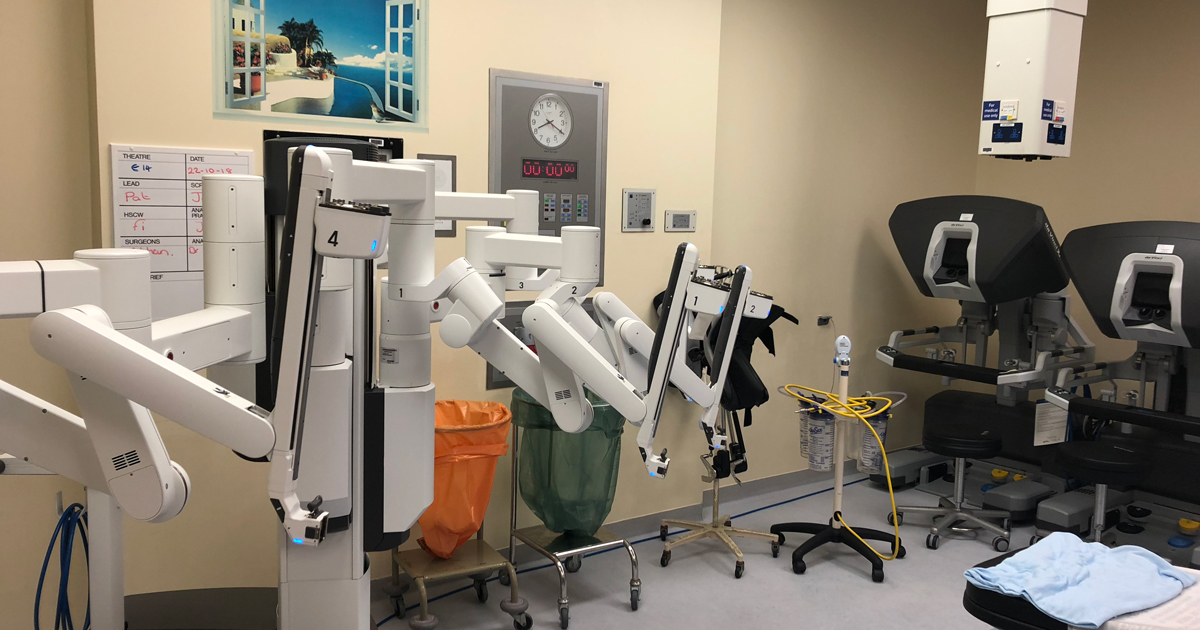
Surgeons are integral to lead the technological advances for digital surgery. Despite advances in chemoradiotherapy, surgery remains the main modality for treatment of resectable rectal cancer. The last decade has seen significant technological advances and treatment developments. Improved diagnostics, development of new surgical tools, and enhanced vision-systems have lead surgeons into the era of digital...
-
Innovation and a roadmap: the way to early detection
Better early cancer detection could save thousands of lives. We have the technology and the infrastructure. Now a roadmap shows the way to cut through the barriers. Earlier detection offers probably the single biggest opportunity to save lives from cancer. Currently only 55% of cancers are detected at an early stage in England, when it’s...
-

s Sponsored
We will always be here to help – whatever 2021 may bring
Living with cancer is always difficult, but feelings of fear, stress and even trauma have intensified during the pandemic. In our 23 UK centres we hear of worsened outcomes, extreme loneliness and people with limited time watching the last months of their lives tick away, when they should have been spending quality time with family....
-

From cancer patient to marathon hero: how the Innovative Cancer Care Fund could save lives
The British Liver Trust is joining forces with other health charities to call for improved access to innovative cancer therapies for patients. Every day in the UK, 990 people are diagnosed with cancer, while death rates from liver cancer have soared by around 50% in the last decade. Unfortunately, liver cancer is extremely difficult to...