Health Awareness
Rare Diseases February 2019
-
AI: accelerating the diagnosis of rare diseases
“Serial referral” could be the title for the diagnostic journeys of some rare disease patients. Artificial intelligence (AI) now sets out to help to break this arduous cycle of referrals. For many patients, a quick visit to the doctor’s office may not be enough, as the physician will likely need to do multiple tests to...
-
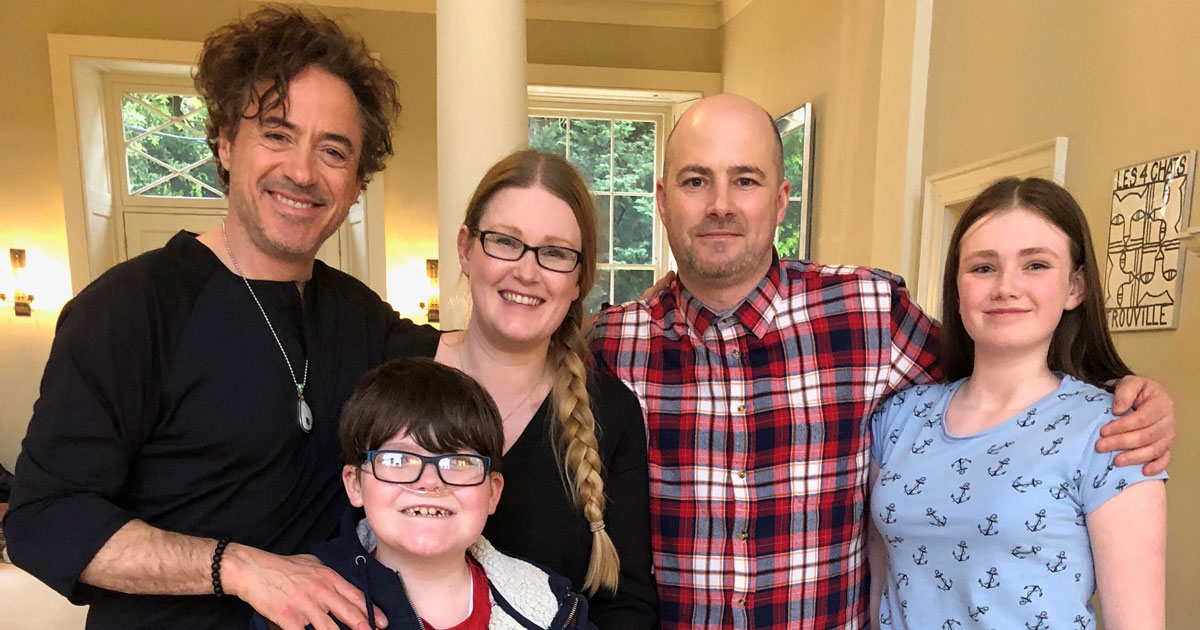
Why Iron Man is helping battle Aaron’s rare, terminal disease
When young Marvel fan, Aaron Hunter, was diagnosed with a rare childhood disease, he asked Iron Man to help him raise funds for research. Superstar, Robert Downey Jr, returned his call… The first thing you need to know about nine-year-old Aaron Hunter is that he’s one of most selfless people you could ever meet, always...
-

Collecting data from patients to improve access to treatment
People with rare diseases can face many challenges on the – often long – road to accessing treatments. These challenges can make informed funding decisions very tough; in part due to limitations in the evidence for the treatment’s effectiveness. These evidence gaps are often difficult to quantify and decipher in world that values scientific data...
-

Why working together will turbo-charge rare disease research
A new European umbrella programme aims to get different stakeholders working together to accelerate the research, diagnosis and development of treatment for rare diseases. “Close collaboration, joined-up thinking and knowledge-sharing. These are the best ways to improve research into rare diseases and so help clinicians achieve better outcomes for patients,” says Dr Daria Julkowska, Assistant Director...
-

Newborn blood spot screening – UK stuck in 20th century
In the UK, newborn babies are tested for nine diseases using a blood spot screening programme. That’s fewer than half the number tested in many European countries. We need to do better to catch rare diseases earlier on. In the UK, we have been collecting spots of blood from the needle-pricked heels of newborns since...
-

Could artificial intelligence help treat rare diseases?
The healthcare industry has struggled to find treatments for rare diseases. Now, artificial intelligence and machine learning offer potential breakthroughs in treatments for patients.
-

Are we on the cusp of a rare disease treatment revolution?
Continued innovation and collaboration are key if we are to see a major breakthrough in the treatment of rare diseases. Individual rare diseases may impact just a handful of people. Collectively, however, a large number of people – 30 million in the EU and 350 million worldwide – have a rare disease. According to Dirk...
-

Time to refresh our approach to rare diseases
One in 17 people will be affected by a rare disease at some point in their lifetime. At this moment, it is estimated that there are more people in the UK living with a rare disease than there are seniors living with dementia. This statistic may seem puzzling – until you reflect that, while individual...
-

Matilda is one of 20 people with her syndrome, in the world
Nine year old Matilda Hatton has Sensenbrenner Syndrome and is one of the patients taking part in the 100,000 Genomes project.