Health Awareness




In this issue
-

Know how to manage early menopause when it happens at any stage
Most people will reach menopause between the ages of 45 and 55 — but some will experience it far younger. Early menopause, by definition, is when a woman’s periods stop before the age of 45. It can happen naturally or as the result of medical treatments or interventions including having a hysterectomy, chemotherapy, radiotherapy, autoimmune...
-

s Sponsored
Why access to menopause care varies — and what can be done about it
Women face a big disparity regarding healthcare access, depending on their socio-economic background and ethnicity. That includes receiving treatment for menopause symptoms. In 21st century UK, you would expect all women to have equal access to healthcare, whatever treatment they need — and wherever they live. Yet, women face a big disparity in this area,...
-

s Sponsored
Women’s health in the UK is in decline — how do we help them?
The state of women’s health in the UK has dominated discussions recently, depicting the plight that many women face in accessing care and receiving attention to pressing health concerns. Women’s health in the UK is in decline, while at the same time, health inequalities are widening. This is the conclusion from a recent panel event...
-

Is it hot in here? Get to know the symptoms of menopause
We’re all different, and so are the effects that menopause has on our bodies, but do you know the symptoms of menopause? Some may surprise you. Perimenopause is the period before menopause. It starts when the amount of oestrogen made by the ovaries begins to decline. It usually begins in your 40s, although it can...
-

Why young people should check their chest regularly
No matter how you identify, what your ethnicity is or how old you are, breast cancer can affect everybody. Breast cancer awareness for everyone CoppaFeel! wants to give everyone the best possible chance of surviving breast cancer. We are the very first (and only) charity in the UK whose purpose is to speak to...
-

Empowering women to break the menopause taboo
More than 50% of the world’s population will go through menopause. Yet there is a lack of understanding around identifying symptoms and talking about their impact. The stigma remains. From couched conversations around ‘The Change’ to embarrassment discussing symptoms and the struggles to manage, people experiencing menopause or perimenopause have often hidden away. But change...
-

s Sponsored
The impact of bladder leakage on physical and mental health is widely ignored
It’s important for women to realise that while bladder leakage isn’t uncommon, they shouldn’t have to put up with it. The NHS estimates between three and six million women suffer from bladder leakage in the UK. But the actual number is likely to be much higher, as Dr Dawn Harper points out, “Those are just...
-

s Sponsored
One woman inspires many secondary breast cancer patients
Within the space of 40 hours, Lisa Fleming received the devastating double diagnosis that changed her life. After Lisa was told she had breast cancer, a further scan revealed it had spread throughout her bones. “I did not have any typical symptoms. To be told I have metastatic secondary breast cancer and that it was...
-

s Sponsored
Why we need crucial conversations in breast cancer
Crucial conversations on a range of subjects between patients and healthcare professionals are critical in breast cancer care. During a patient’s breast cancer journey, crucial discussions with their healthcare team do not always take place. “These might include an honest conversation with a secondary breast cancer patient about issues with intimacy or menopause, a discussion...
-

UK employers failing to support women’s reproductive healthcare needs
Outdated and inadequate workplace policies are failing women needing fertility treatment. Glaring gap in reproductive health workplace policies The UK pioneered fertility treatment but workplace policies are yet to catch up. Infertility is defined as a disease by the World Health Organization with its treatment requiring women to undergo complex, time-sensitive and sometimes lengthy medical...
-
s Sponsored
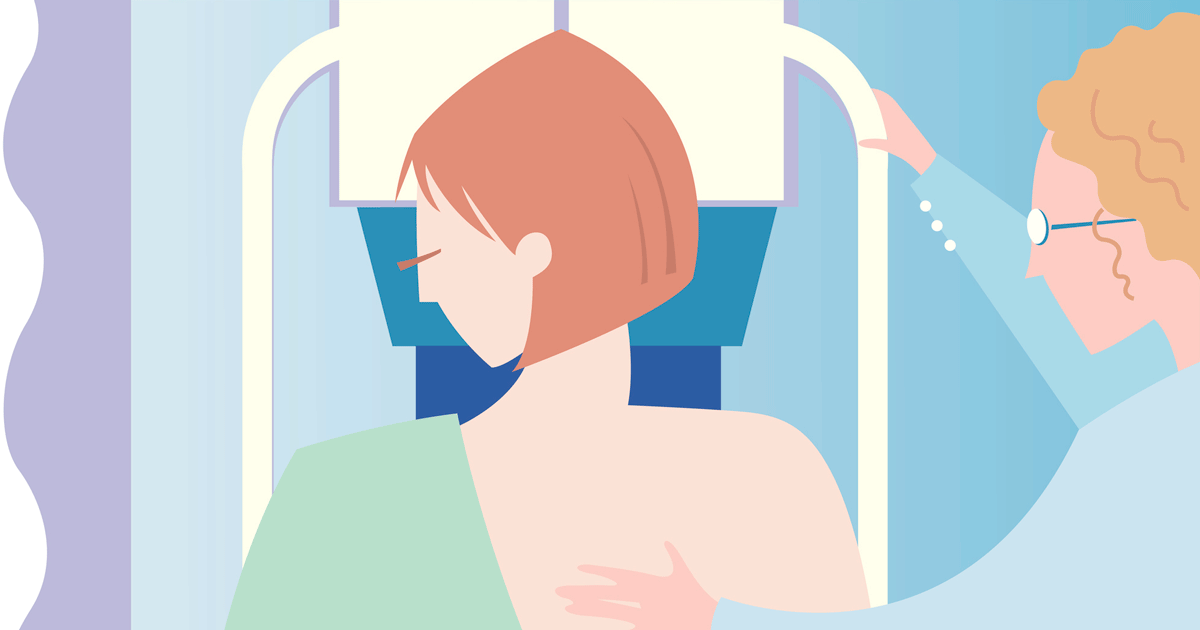
Promoting breast health awareness and getting to know your normal
This Breast Cancer Awareness Month, around 5,000 people will be diagnosed with breast cancer. Whatever your age, it’s important to be breast aware. October marks Breast Cancer Awareness Month — 31 days dedicated to spotlighting breast cancer. With one woman diagnosed with breast cancer every 10 minutes, it’s a vital opportunity to spread breast awareness...
-
The health importance of breast awareness during pregnancy
In our years of talking to young people about their breasts and chests, we noticed that pregnancy and breastfeeding were seen by many as a barrier to breast awareness. We know how important it is for everyone to get to know their bodies and talk to their doctor if they notice any unusual changes. Identifying...
-

s Sponsored
Non-invasive treatments help patients solve incontinence issues
Contrary to the notion of surgery as the only option for treating urinary incontinence, newer non-invasive treatments, such as Erbium YAG (Er:YAG) laser and high-intensity magnetic technology are gaining recognition. Urinary incontinence is one of the most common health problems that negatively impact the female quality of life. Physiotherapy, kegel exercises and lifestyle changes (caffeine...
-
Have women’s voices at last been heard in government health strategy?
Research indicates that women may live longer than men but are more likely to spend more of their life in ill-health compared to men. The Government’s recently published Women’s Health Strategy aims to tackle this gender health gap. It was informed by a call for evidence to allow women, their families and healthcare experts to...
-

There are 14 million working days lost in the UK to menopause
Menopausal women are the fastest-growing segment of the workforce. It’s estimated that around one in six people currently in employment are women over 50. For too long, menopause has long been a taboo in the workplace. Women have suffered in silence with their symptoms, often counting themselves out of career progression opportunities or even quitting...
-

s Sponsored
How family history knowledge of cancer could save your life
A simple lifesaving tool can help discover if you are at higher risk of developing ovarian cancer — and therefore eligible for a genetic test on the NHS. If your family has a history of cancer, you should check to see if you could be at risk. That’s the message from Marie-Claire Platt, Head of...
-
s Sponsored
Ensuring families are supported from the start of their fertility journey
Struggling to conceive? Make sure you are fully informed about the issues around fertility treatment before you start. Starting a family requires serious thought, but even if you decide to go ahead, getting pregnant is not always as simple as you might hope. Around one in seven UK couples may have difficulty conceiving, according to...
-
s Sponsored
Improving breast cancer awareness among ethnic minority groups
It is vital that we identify and dismantle the barriers to early detection and diagnosis of breast cancer amongst ethnic minority groups. In the UK, around 55,000 women and 370 men are diagnosed with breast cancer every year – it’s the most common cancer amongst women, with one woman diagnosed every 10 minutes. Tackling the...
-

s Sponsored
Q&A: Support is available to help you through the menopause
Every woman is an individual and symptoms of the menopause can vary hugely in duration and severity. It is important to understand your own symptoms in order to seek the best support. Q: For women who are in their 40s, what should they be aware of when thinking about the perimenopause? Women are born with...