Health Awareness
Rare Diseases February 2019
-

Time to act – Patients with PAH need earlier referral and diagnosis
NOP 19/0447f(1)a April 2019This article was developed in collaboration with Actelion Pharmaceuticals UK who also provided funding. Contributors to this article did not receive payment for their involvement. Diagnosis for pulmonary arterial hypertension (PAH) takes too long and the condition can often be misdiagnosed. We need to take another approach says a leading specialist. “It’s vital...
-

PAH won’t stop me living my life to the full
NOP 19/0447f(1)a April 2019This article was developed in collaboration with Actelion Pharmaceuticals UK who also provided funding. Contributors to this article did not receive payment for their involvement. Tess Jewson was just 17 when she was diagnosed with pulmonary arterial hypertension (PAH), but she’s refused to let this rare disease stop her living her life to...
-

Digital health and rare diseases: a changing landscape
Doctors may only encounter a few cases or presentations of rare conditions throughout their career; but through clinical discussion with peers around the world, and across medical subspecialties, medical knowledge-sharing is possible on an unprecedented level. How rare is rare? A rare disease is defined by the European Union as one affecting less than 5...
-

Applying for Orphan Drug Designation?
Should the USA always be your first regulatory target? The myths surrounding EMA vs. FDA for orphan drug designation applications There are approximately 7,000 different rare diseases, and while individually their prevalence is low, collectively they affect between 6-8 % of the EU and US population. This has made the development of orphan medicinal products...
-

Gene therapy success – a revolutionary product requires inspired approach
In order to achieve commercial success, companies have to overcome three main barriers to ensure access to gene therapy products – limited specialised infrastructure, reimbursement and lack of long-term efficacy and tolerability data. Gene therapies are an investigational technique that offers exciting promise for curing many debilitating and potentially terminal diseases, such as cystic fibrosis,...
-

My road to recovery from Cushing’s disease
Having suffered debilitating symptoms for years, Esther found a new lease on life after she was finally given the correct diagnosis. I was 12 when I started to experience excruciating menstrual pains. The stomach cramps would cripple me, my face and neck would be covered with severe rashes. I had severe hyperhidrosis (excessive sweating) from...
-

PSP could hold clues for other neurological conditions
PSP and CBD are progressive neurological diseases affecting around 6,000 adults in the UK. Caused by the death of nerve cells in the brain, they leave people unable to balance, walk, talk, eat, swallow, drink and see. PSP and CBD are associated with an over-production of a protein called tau in parts of the...
-

Hypoparathyroidism; rare, incurable and often caused by surgery
Not many people know about their parathyroid glands until something goes wrong. When the glands fail they stop producing sufficient parathyroid hormone (PTH) to control calcium metabolism, causing hypoparathyroidism (or hypopara), a rare and challenging condition. Rarely, failure is due to genetic or autoimmune disorders but most commonly it is due to surgical removal of...
-

How NAIT changed our lives forever
During my pregnancy, I was treated like every other expectant mum and everything was normal, or so we thought. At exactly 40 week, I went into labour but ended up having to have an emergency C-section. Isabelle was born a healthy 6lb 11oz. Over the next few weeks, however, we began noticing things weren’t right....
-

Specific herbal extracts for medical research: milk thistle and oncology
New research suggests that a silibinin-rich extract of the milk thistle plant fruits (known to support liver health) may also be beneficial to patients with brain metastasis [1,2]. Milk thistle (Silybum marianum L. Gaertn), is an extraordinary looking plant: spiky, spiny and usually adorned with a vibrant, red-purple flower. Now, research suggests that it may have...
-
Enzyme replacement therapy approved for UK clinical trials
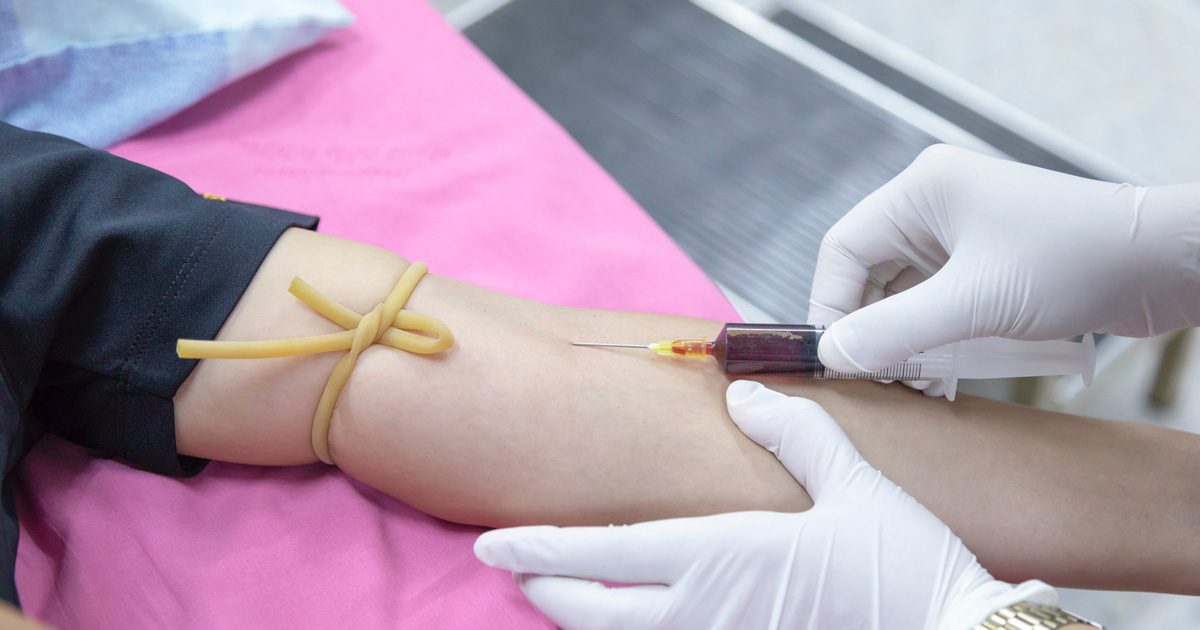
Researchers at St George’s University of London are developing an enzyme replacement therapy for MNGIE (mitochondrial neurogastrointestinal encephalomyopathy), a progressive disorder where patients die at an average age of 35 years. Patients with MNGIE have a defect in the gene that codes for the enzyme, thymidine phosphorylase and results in affected individuals producing insufficient enzyme....
-

Taking trials to patients in rare disease clinical trials
Finding and retaining patients for a clinical trial is a problem all researchers will be aware of. Studies that put the patient’s welfare first are far more likely to succeed in that respect, as Helen Springford of Illingworth Research Group explains. The use of off-site or ‘mobile’ research nursing within clinical trials is certainly not...
-

Optimism, but challenges ahead for curing rare diseases
When I hear about the experiences of people and families coping with rare diseases there are some all too common themes – strange and varied symptoms, and difficulties with diagnosis. Even if a condition is diagnosed, the reality is that there probably isn’t a treatment for it. The fact that only 5% of rare diseases...
-

What it means to be ‘rare’ — and how collaboration can help
When clinicians, researchers, pharma companies and patients themselves all work together, amazing breakthroughs can happen in the field of rare diseases, says a leading specialist. Professor Timothy Cox — Director of Research, Honorary Consultant Physician and Emeritus Professor of Medicine at the University of Cambridge — has always been fascinated by the field of rare...
-

No deal threat to rare disease collaboration
To date, many of the discussions around Brexit have been on the immediate risks of an outcome without a deal. However, there is another wave of consequences that follow with longer term impacts, arising because the UK and the EU do not have the opportunity to plan their future relationship in a transition period. Without...
-

Pioneering service to expand genetic testing
A ground-breaking new service is poised to transform diagnosis and care for people living with genetic rare diseases in England. The NHS Genomic Medicine Service, which was announced last September, will provide healthcare professionals with a directory of available genetic tests in a bid to speed up diagnosis and deliver more personalised medicine. Patients will...
-
Financial barriers are holding up breakthroughs in rare diseases
Patients with rare diseases are often desperate for new therapies — yet lengthy discussions with health service providers about ‘cost-effectiveness’ can often be a barrier to drug access. In his 17 years at the sharp end of innovative drug development, Brendan Martin — VP and General Manager, UK & Ireland, Alnylam Pharmaceuticals — has seen...
-

Regulators and payers are ready to talk about orphan drugs
Securing market access for orphan drugs is littered with challenges, but early collaboration between manufacturers, regulators and payers is the key to overcoming the obstacles. Daniele Severi Bruni, Vice President of Market Access at Two Labs (formerly MKO Global Partners), believes there is an appetite for overcoming the challenges of bringing expensive, yet potentially transformative,...
-

Data-Driven Medicine is a big step forward for rare diseases
Rare disease diagnosis has been improved with the introduction of technologies such as genomics and artificial intelligence, which help clinicians analyse results more efficiently. “It’s impossible to overemphasise the importance of speedy diagnosis for anyone with a medical condition”, says Lewis Darnell, Clinical Scientist and Deputy Quality Manager in the Molecular Genetics Department within Nottingham...