Health Awareness




In this issue
-

Taking trials to patients in rare disease clinical trials
Finding and retaining patients for a clinical trial is a problem all researchers will be aware of. Studies that put the patient’s welfare first are far more likely to succeed in that respect, as Helen Springford of Illingworth Research Group explains. The use of off-site or ‘mobile’ research nursing within clinical trials is certainly not...
-

Optimism, but challenges ahead for curing rare diseases
When I hear about the experiences of people and families coping with rare diseases there are some all too common themes – strange and varied symptoms, and difficulties with diagnosis. Even if a condition is diagnosed, the reality is that there probably isn’t a treatment for it. The fact that only 5% of rare diseases...
-

What it means to be ‘rare’ — and how collaboration can help
When clinicians, researchers, pharma companies and patients themselves all work together, amazing breakthroughs can happen in the field of rare diseases, says a leading specialist. Professor Timothy Cox — Director of Research, Honorary Consultant Physician and Emeritus Professor of Medicine at the University of Cambridge — has always been fascinated by the field of rare...
-

No deal threat to rare disease collaboration
To date, many of the discussions around Brexit have been on the immediate risks of an outcome without a deal. However, there is another wave of consequences that follow with longer term impacts, arising because the UK and the EU do not have the opportunity to plan their future relationship in a transition period. Without...
-

Pioneering service to expand genetic testing
A ground-breaking new service is poised to transform diagnosis and care for people living with genetic rare diseases in England. The NHS Genomic Medicine Service, which was announced last September, will provide healthcare professionals with a directory of available genetic tests in a bid to speed up diagnosis and deliver more personalised medicine. Patients will...
-
Financial barriers are holding up breakthroughs in rare diseases
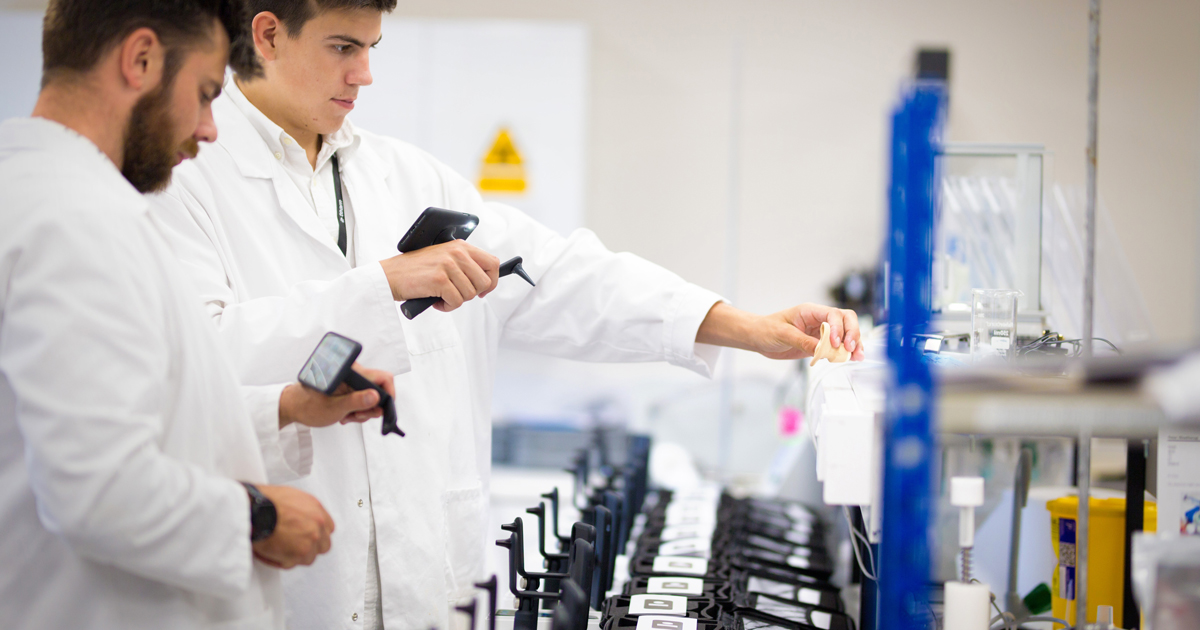
Patients with rare diseases are often desperate for new therapies — yet lengthy discussions with health service providers about ‘cost-effectiveness’ can often be a barrier to drug access. In his 17 years at the sharp end of innovative drug development, Brendan Martin — VP and General Manager, UK & Ireland, Alnylam Pharmaceuticals — has seen...
-

Regulators and payers are ready to talk about orphan drugs
Securing market access for orphan drugs is littered with challenges, but early collaboration between manufacturers, regulators and payers is the key to overcoming the obstacles. Daniele Severi Bruni, Vice President of Market Access at Two Labs (formerly MKO Global Partners), believes there is an appetite for overcoming the challenges of bringing expensive, yet potentially transformative,...
-

Data-Driven Medicine is a big step forward for rare diseases
Rare disease diagnosis has been improved with the introduction of technologies such as genomics and artificial intelligence, which help clinicians analyse results more efficiently. “It’s impossible to overemphasise the importance of speedy diagnosis for anyone with a medical condition”, says Lewis Darnell, Clinical Scientist and Deputy Quality Manager in the Molecular Genetics Department within Nottingham...
-
AI: accelerating the diagnosis of rare diseases
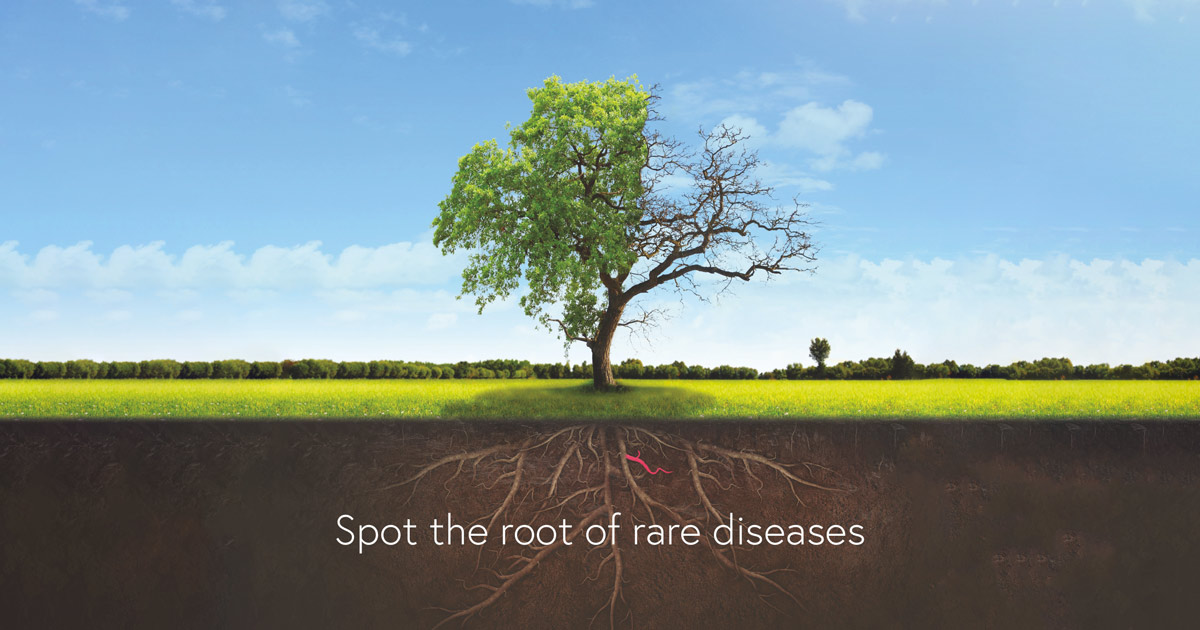
“Serial referral” could be the title for the diagnostic journeys of some rare disease patients. Artificial intelligence (AI) now sets out to help to break this arduous cycle of referrals. For many patients, a quick visit to the doctor’s office may not be enough, as the physician will likely need to do multiple tests to...
-
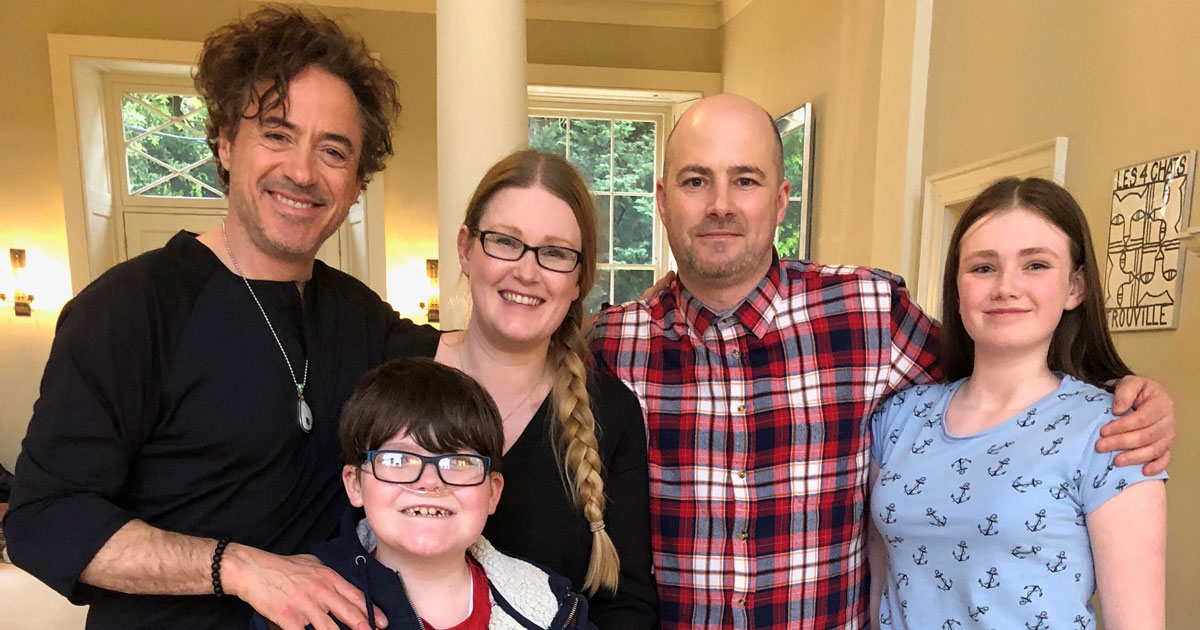
Why Iron Man is helping battle Aaron’s rare, terminal disease
When young Marvel fan, Aaron Hunter, was diagnosed with a rare childhood disease, he asked Iron Man to help him raise funds for research. Superstar, Robert Downey Jr, returned his call… The first thing you need to know about nine-year-old Aaron Hunter is that he’s one of most selfless people you could ever meet, always...
-

Collecting data from patients to improve access to treatment
People with rare diseases can face many challenges on the – often long – road to accessing treatments. These challenges can make informed funding decisions very tough; in part due to limitations in the evidence for the treatment’s effectiveness. These evidence gaps are often difficult to quantify and decipher in world that values scientific data...
-

Why working together will turbo-charge rare disease research
A new European umbrella programme aims to get different stakeholders working together to accelerate the research, diagnosis and development of treatment for rare diseases. “Close collaboration, joined-up thinking and knowledge-sharing. These are the best ways to improve research into rare diseases and so help clinicians achieve better outcomes for patients,” says Dr Daria Julkowska, Assistant Director...
-

Newborn blood spot screening – UK stuck in 20th century
In the UK, newborn babies are tested for nine diseases using a blood spot screening programme. That’s fewer than half the number tested in many European countries. We need to do better to catch rare diseases earlier on. In the UK, we have been collecting spots of blood from the needle-pricked heels of newborns since...
-

Could artificial intelligence help treat rare diseases?
The healthcare industry has struggled to find treatments for rare diseases. Now, artificial intelligence and machine learning offer potential breakthroughs in treatments for patients.
-

Are we on the cusp of a rare disease treatment revolution?
Continued innovation and collaboration are key if we are to see a major breakthrough in the treatment of rare diseases. Individual rare diseases may impact just a handful of people. Collectively, however, a large number of people – 30 million in the EU and 350 million worldwide – have a rare disease. According to Dirk...
-

Time to refresh our approach to rare diseases
One in 17 people will be affected by a rare disease at some point in their lifetime. At this moment, it is estimated that there are more people in the UK living with a rare disease than there are seniors living with dementia. This statistic may seem puzzling – until you reflect that, while individual...
-

Matilda is one of 20 people with her syndrome, in the world
Nine year old Matilda Hatton has Sensenbrenner Syndrome and is one of the patients taking part in the 100,000 Genomes project.
-
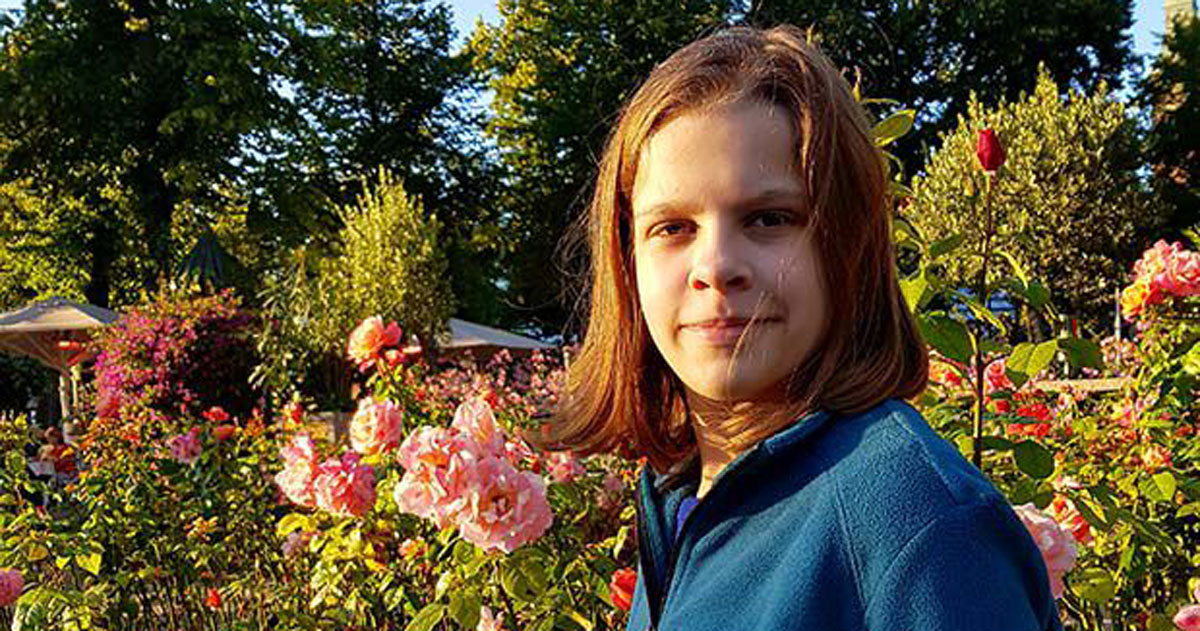
Ella’s Neurofibromatosis story
I am scared for what the future holds for me, but, as I told my support worker, “I can’t change it, so I will have to roll with it and do my best to have a good life.”
-
Knowlege is power: medical research on rare diseases
Medical research has come a long way in the past few decades and momentum needs to continue in order to benefit the many millions of patients who suffer from incurable rare diseases.